

It sizes the bullet in a carbide die after plating, not before: rifling does not cut the coating and the barrel does not lead.
- Founded 1995
- Head office Quebec (Canada)
- Core 98% lead · 2% antimony
- 2024 production 125 million bullets
- Categories Reloading
History
Copper first, calibre afterwards
CamPro began in 1995, in a small Quebec workshop, making what it still makes today: plated bullets. The family business running it bought the facilities in 2007 and rebuilt them —equipment, tooling and processes— when output was 500,000 bullets a year. In 2009 it installed quality control; in 2010 it converted all dies to carbide; in 2011 it began swaging its own cores from extruded lead wire; and in 2013 it bought a foundry to make its alloys. In 2024 it declared 125 million bullets a year: two hundred and fifty times its 2007 figure.
What the company presents as its difference is not the copper, but the order of operations. The bullet is plated electrolytically and then sized whole in a carbide die, with the coating already on. That is where it says its concentricity and parallelism come from, and why barrel rifling does not cut through the copper to the lead. Thickness is not fixed: the company publishes 0.008″ (203 µm) and says it adjusts it to calibre and use. The core is always the same, 98% lead and 2% antimony, and every batch passes through the hands and eyes of at least five people before leaving.
The practical outcome is stated by the manufacturer: the barrel does not lead, no particles come off —making them usable with a compensator— there are no lead emissions, bullet lubrication is unnecessary, magnum loads can be assembled and jacketed-bullet reloading data apply, with no separate table.
They reached Europe in 2016, beginning with France, and opened a Belgian distribution centre in 2020. Since 2019 they have been IPSC partners and their logo is printed on every package; in 2024 they released their first muzzle-loading hunting bullets. What comes here is mainly for handguns, plus a pair of jacketed rifle bullets.
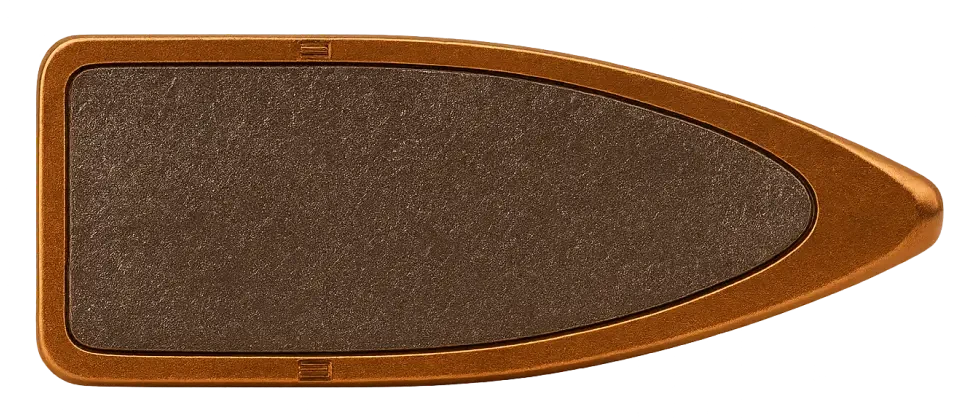
Product families
What we distribute
Grouped by ogive profile, which is what actually distinguishes them. Within each profile are the diameters and weights supplied in Spain, named as CamPro names them.
Plated handgun bullets
From .312 to .452. All share the same electrolytic copper plating over a 98% lead, 2% antimony core; diameter, weight and ogive shape are what change.
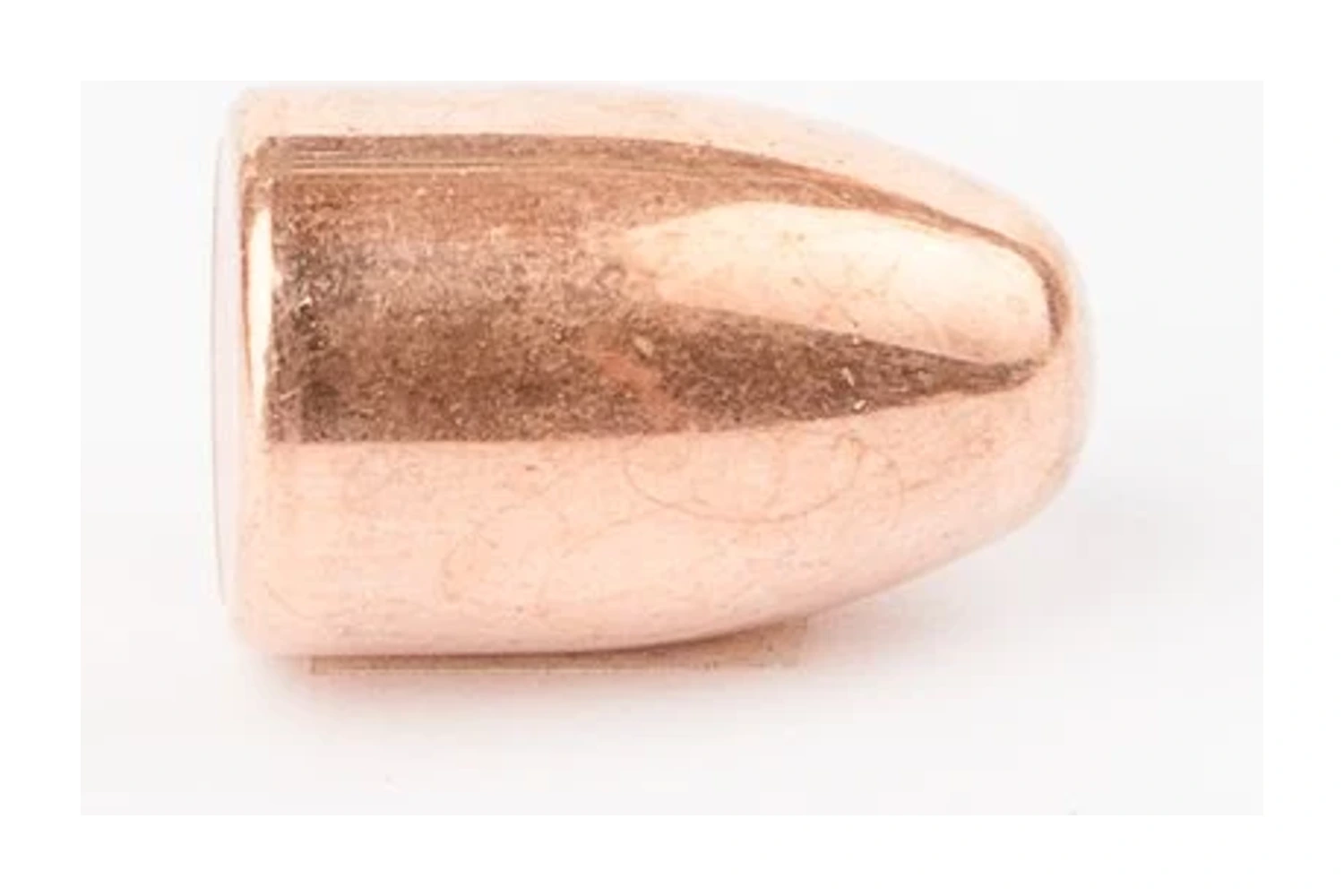
Round nose (RN)
A round ogive without edges, the most common profile in the range and the one most frequently listed here: from .312 to .451, from 71 to 230 grains. The two .356 references measure one thousandth of an inch more than the 9 × 19 ones, the difference required by .38 Super.
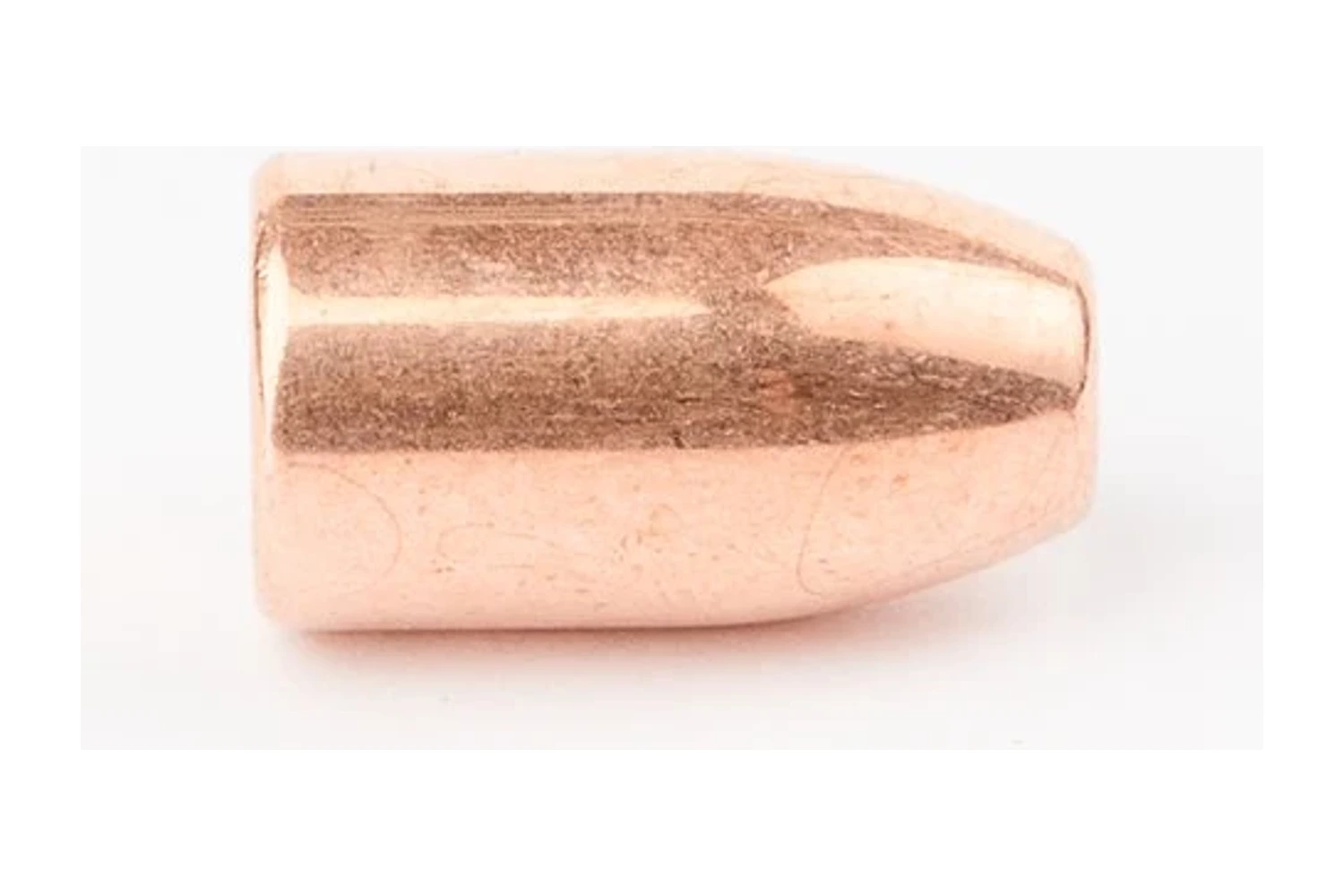
Round nose flat point (RNFP)
The round ogive cut to a flat front. The manufacturer describes it as the compromise profile: balanced flight and predictable terminal behaviour. From 85 grains in .312 to 250 in .452.
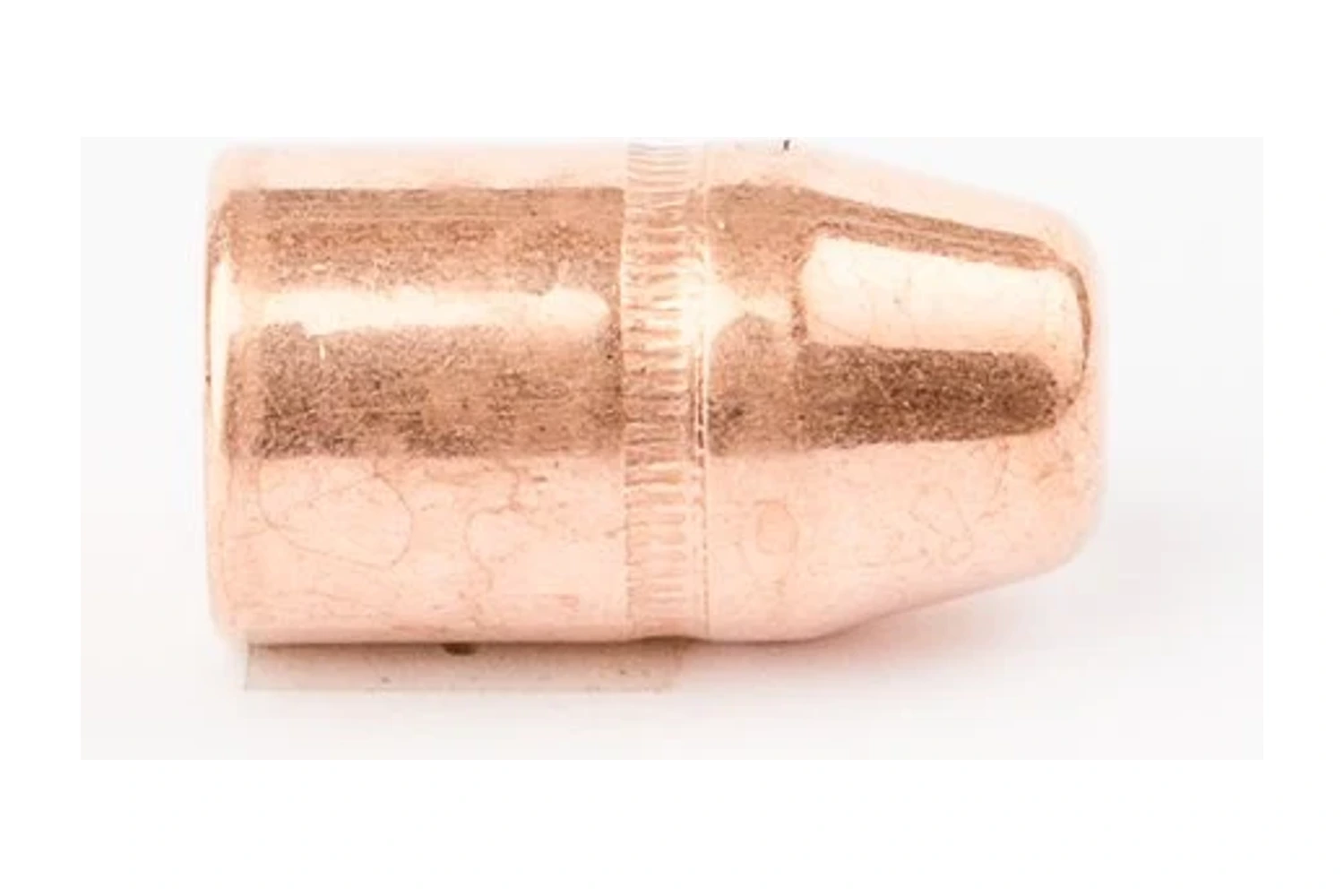
Truncated cone (TC)
The cylindrical body ends in a truncated cone with a flat front. This is where the heaviest handgun bullets are: from 125 grains in .357 to 240 in .429, including the .40 bullets and the .44-40’s 200-grain .427.
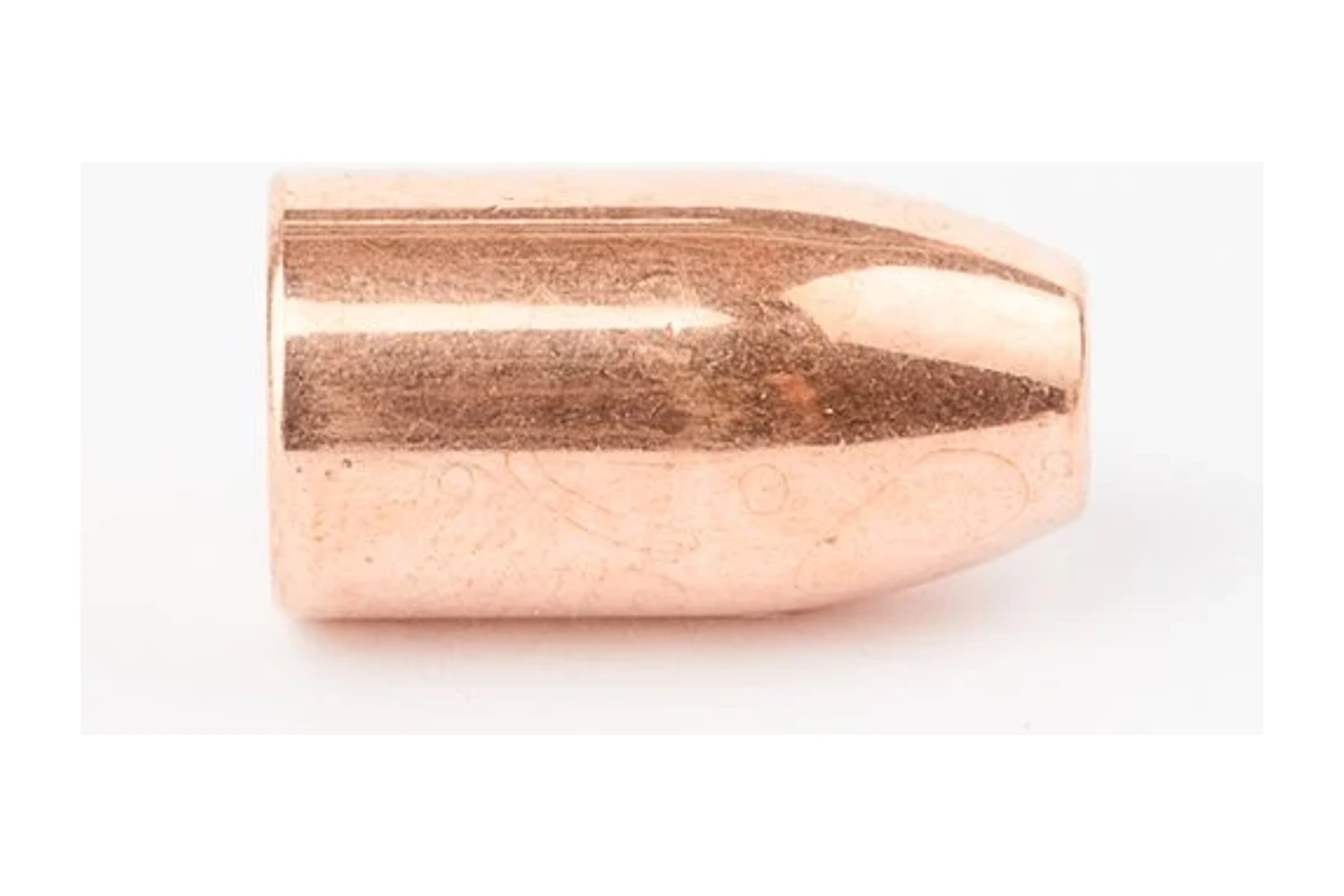
Hollow point (HP)
The only hollow point among the twenty-seven. CamPro presents it as a profile designed to reduce the risk of ricochet from hard surfaces without losing accuracy. .355 diameter and 147 grains, with a sectional density of 0.167.
Reference
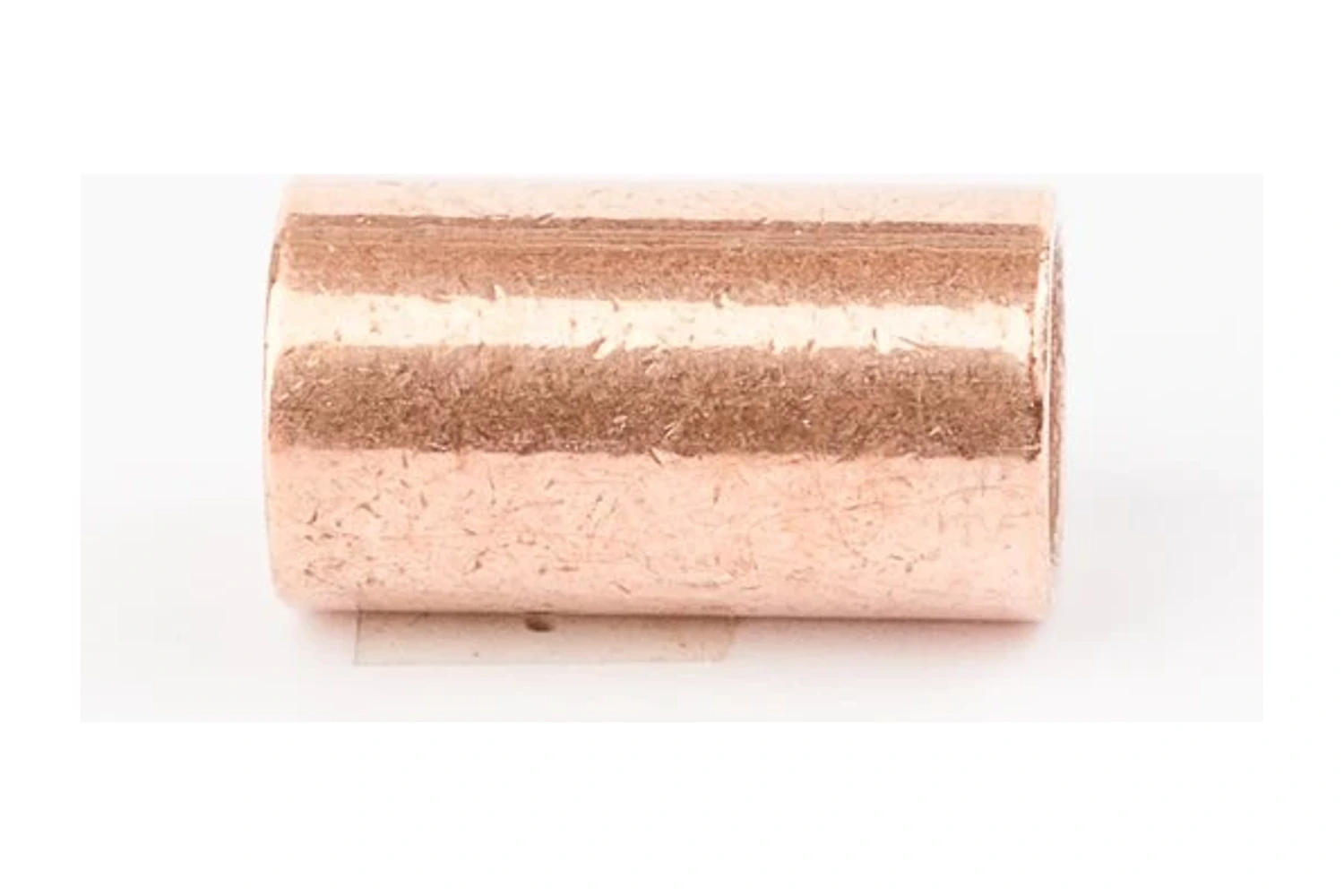
Hollow-base wadcutter (HBWC)
A straight cylinder without an ogive, with a hollow base: its flat front cuts a paper target to its own diameter. Available at 98 grains in .32 —one at .313 and another at .314— and at .357, 148 grains.
References
Jacketed rifle bullets
The company’s only rifle bullets, genuinely jacketed —metal jacket rather than plating— with boat tail and cannelure.
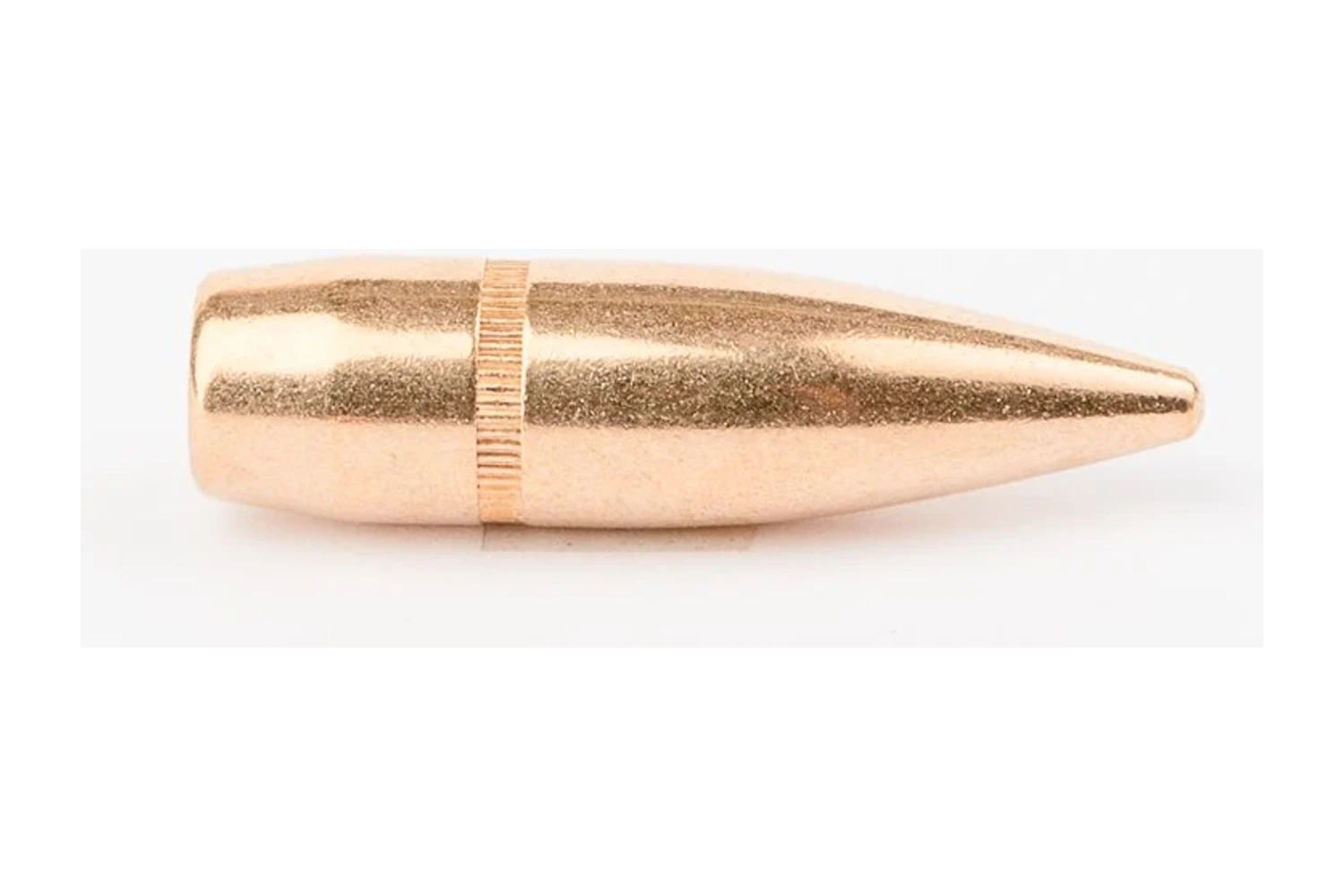
Jacketed boat tail (FMJ SBT)
Full jacket and tapered base, which is what retains ballistic coefficient at distance. The .308, 147-grain version gives G1 0.437 and G7 0.237, with a sectional density of 0.221; the .224, 55-grain version gives G1 0.246 and G7 0.133. They are the only bullets from this brand here that are not plated.
References
CamPro in the shop
The complete catalogue.
The shop is available in Spanish.