
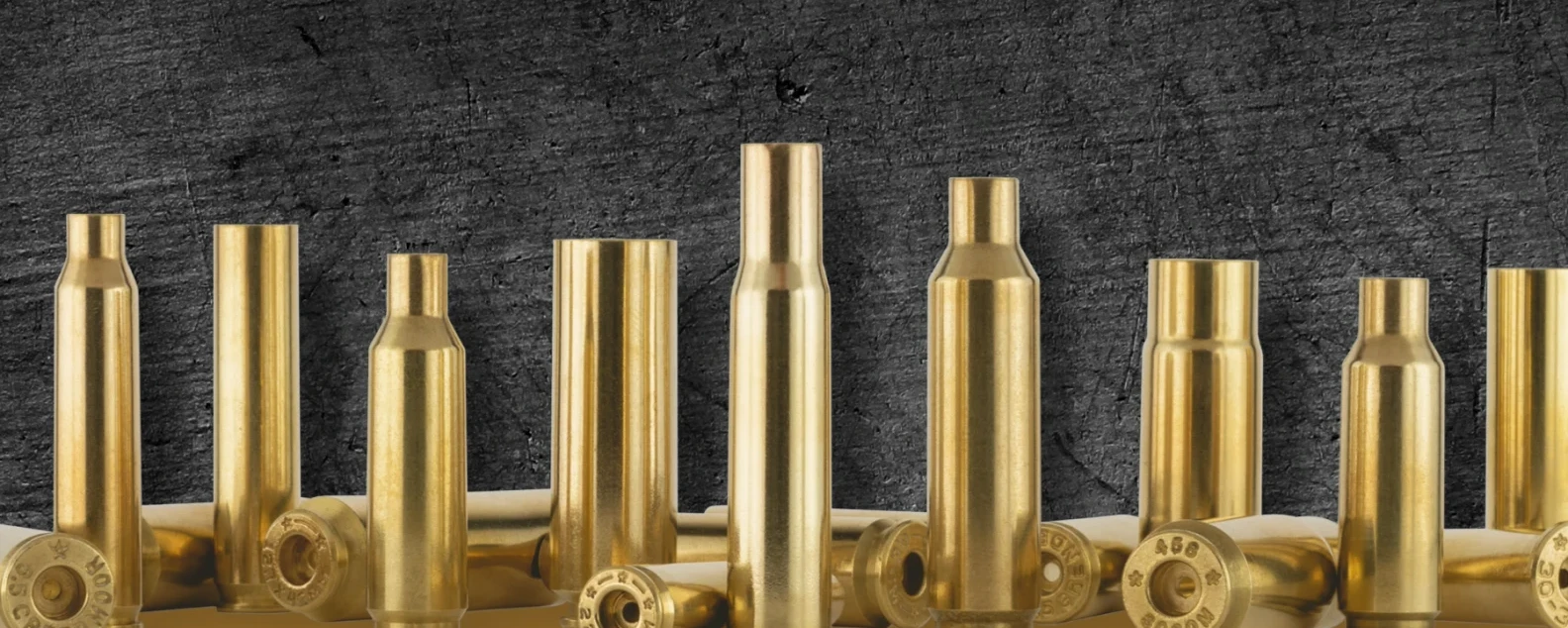

It anneals the brass between every draw and machines its own primer-pocket and flash-hole tooling. The result is a case that withstands reloading.
New, unprimed rifle cases. Manufacturer material.
- Founded 1976
- Founders Hayden, Snow and Knepp
- Head office Sedalia, Missouri
- What we carry Reloading cases
- Categories Reloading
History
Three men from Sierra Bullets and a rented building
The idea came from a conversation at a baseball game in the mid-1970s. Robert Hayden had just become general manager of Sierra Bullets —another brand we distribute— and Frank Snow, Sierra’s former owner, had become his friend during the transfer. That night they decided to enter the cartridge-case business. They brought in Paul Knepp, Sierra’s die maker, bought surplus military machinery and installed it in a rented sheet-metal building in Covina, California. Starline Brass was incorporated in 1976: Snow supplied the machines, Knepp the tooling and Hayden the sales.
The first case was the .38 Special, followed by .45 ACP and 10 mm Auto. For years the company did not sell under its own name: it headstamped cases to order for Remington, Winchester, Federal and Midway Arms. The turning point was the FBI 10 mm contract won by Federal, when Starline moved to 750,000 cases a month for that contract alone.
Hayden then saw the gap. Competing in 9 mm against factories making millions made no sense; making cartridges nobody else produced did. The company set out to make as many different calibres as possible —more than seventy-five— and in the early 1980s stamped its own star and began selling directly. That decision is why a .38 Short Colt, 7.65 French Long or the 9 mm Largo of a Star or Astra can still be reloaded today.
In 1992 it moved to Sedalia, Missouri, to expand the factory and leave California’s industrial climate. It remains a family business, led by Robert Hayden Jr.
Product families
What we distribute
Grouped by the firearm it serves. All are new, unprimed cases in packs of one hundred: only the cartridge changes, and on some references the nickel finish.
Handguns
The half of the business where it all began: Starline’s first case was a .38 Special.
Semi-automatic pistol
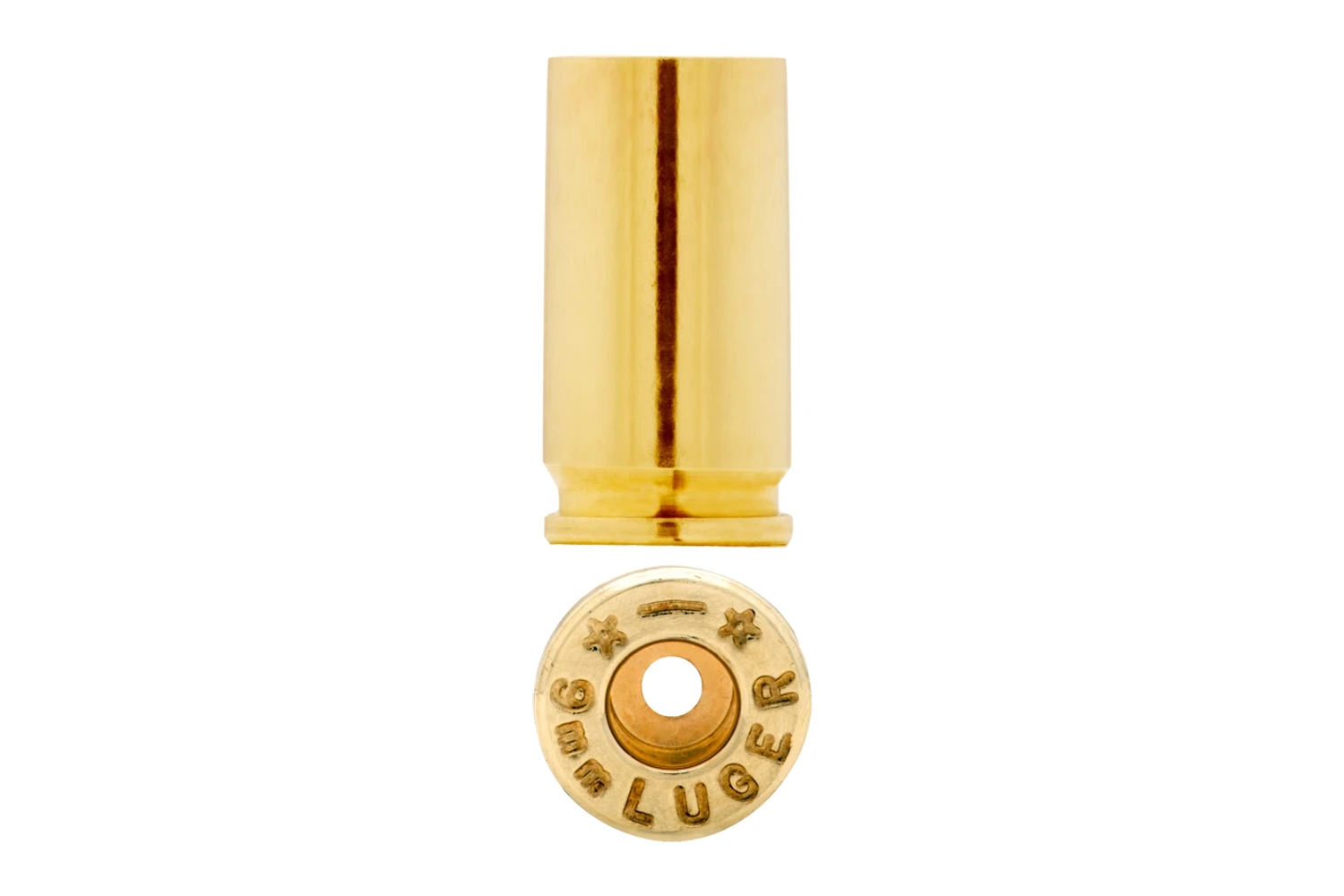
Common pistol calibres and several uncommon ones. For every magazine-fed cartridge, Starline holds length within four thousandths of an inch, while the corrosion inhibitor applied during final polishing lubricates the first loading.
The .38 Super family
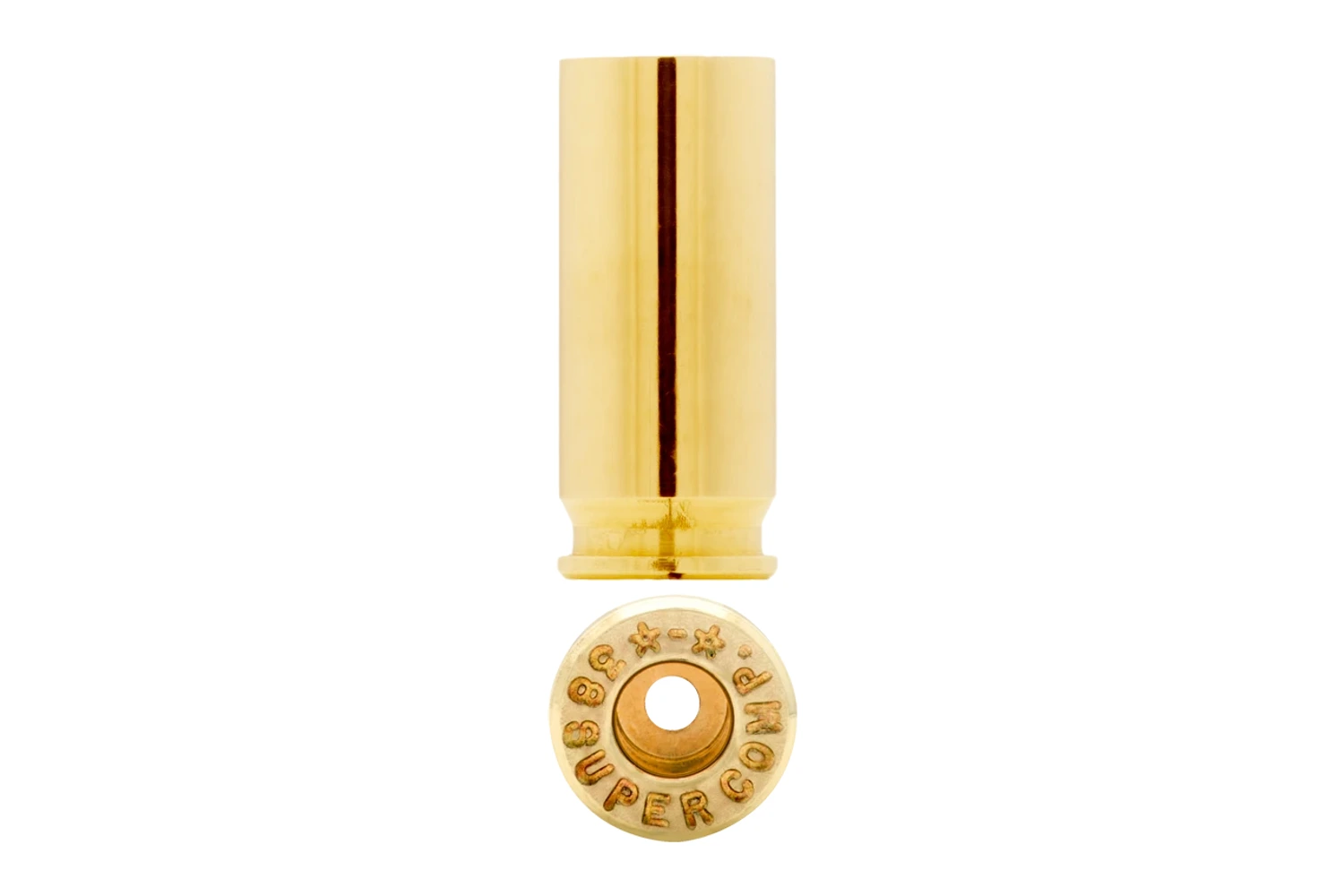
Three cases for the same space. The .38 Super Comp is the rimless, reinforced-wall version of the .38 Super, with similar internal capacity, designed to feed without snagging in high-capacity competition magazines; some firearms require extractor adjustment. It accepts small pistol or small rifle primers.
Calibres
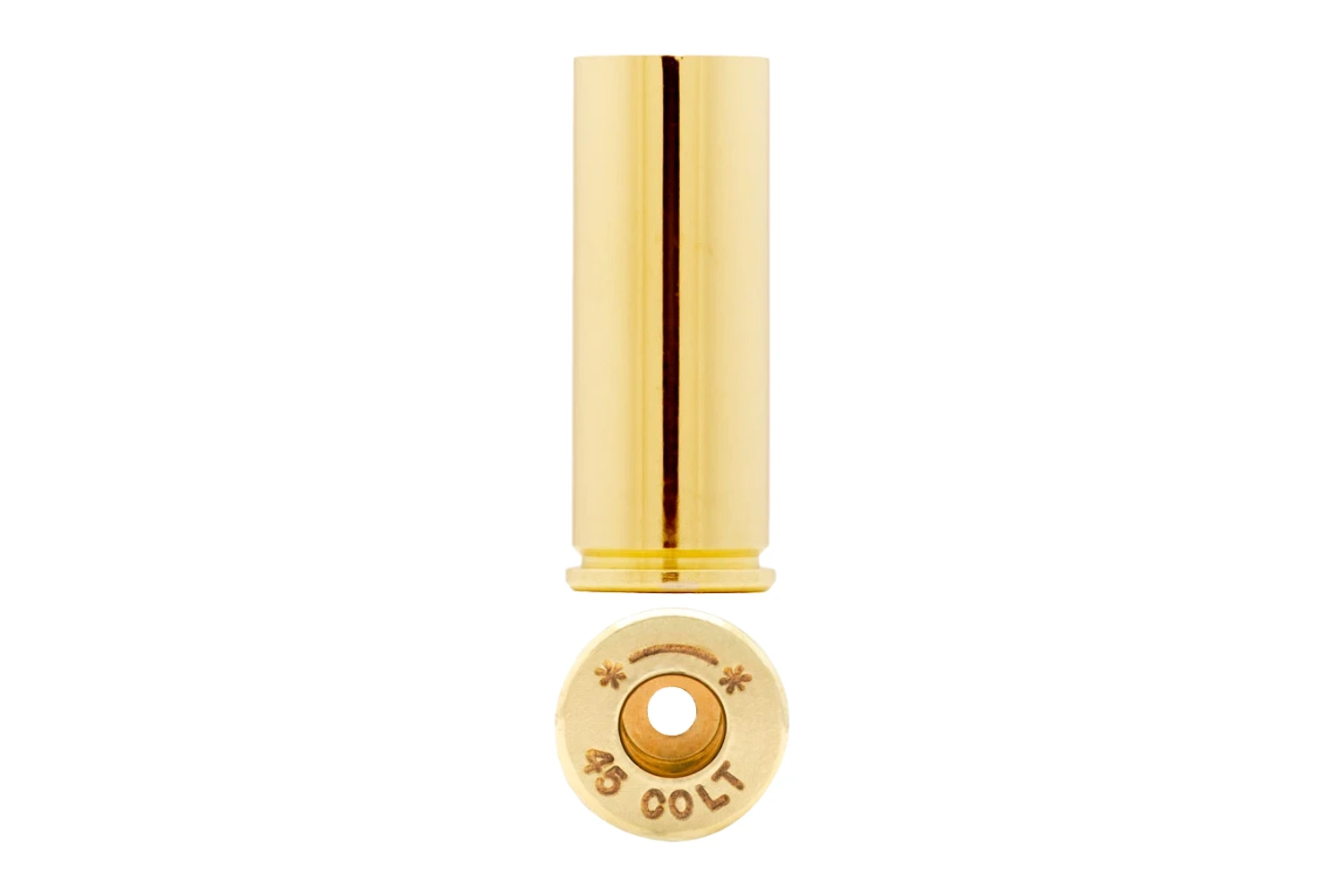
Revolver
From the short .32 S&W to the .460 S&W Magnum, with .44 Russian, .38 Short Colt and .445 SuperMag between. The company’s .45 Colt is tested at .44 Magnum pressures in suitable firearms. The only Starline cases requiring full-length sizing before first loading are .454 Casull, .458 SOCOM and, with .452-inch or smaller bullets, .45 Colt. Revolver-case length is held within five thousandths of an inch.
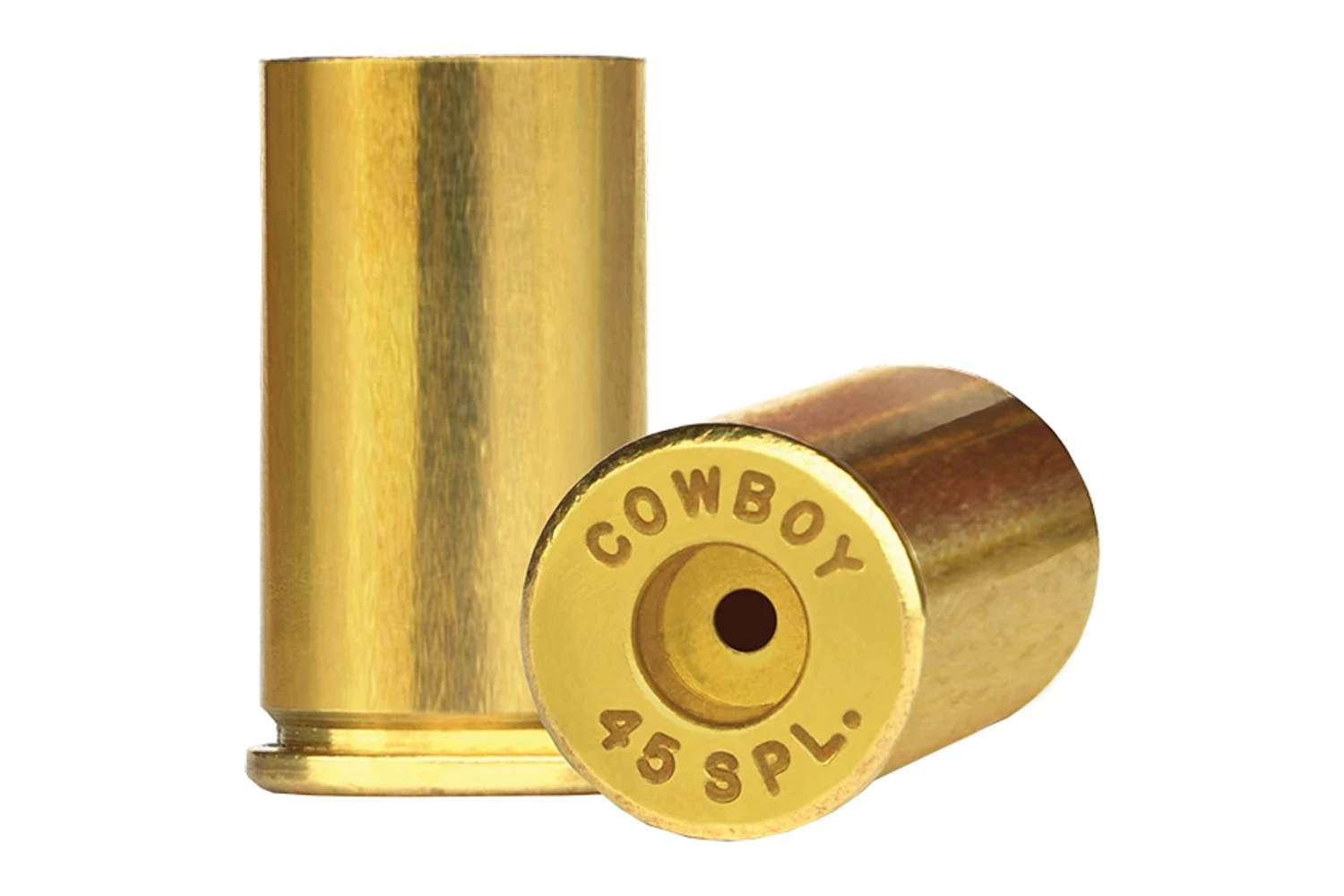
Cowboy action and Western cartridges
The .45 Cowboy Special is an in-house design: .45 Colt head and .45 ACP length, so the mild cowboy load does not leave half an empty case, which causes split necks and erratic operation. It uses .45 Colt dies and a shortened crimp die, or the .45 Auto Rim roll-crimp die. It sits alongside the Western lever-action and single-action cartridges.
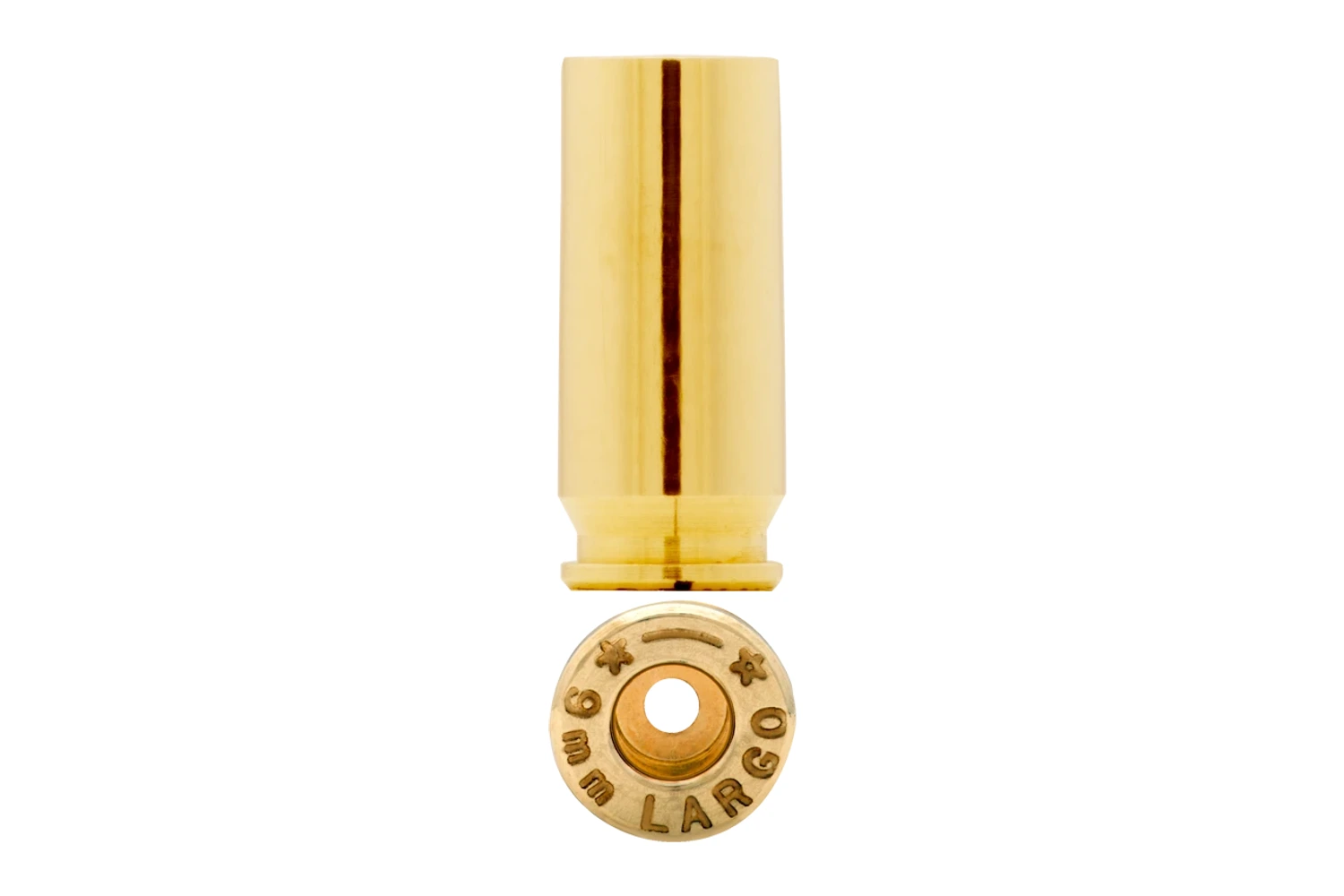
European and military pistol
The reason Starline exists: cartridges the large factories do not keep in production. The 9 mm Largo serves the Star, Astra and Destroyer carbine and also works in nearly every Steyr; the 7.65 French Long serves the MAS 1935 pistol and MAS 38 submachine gun.
Long guns
From .243 Winchester to .45-70 Government, with the company star on the head.
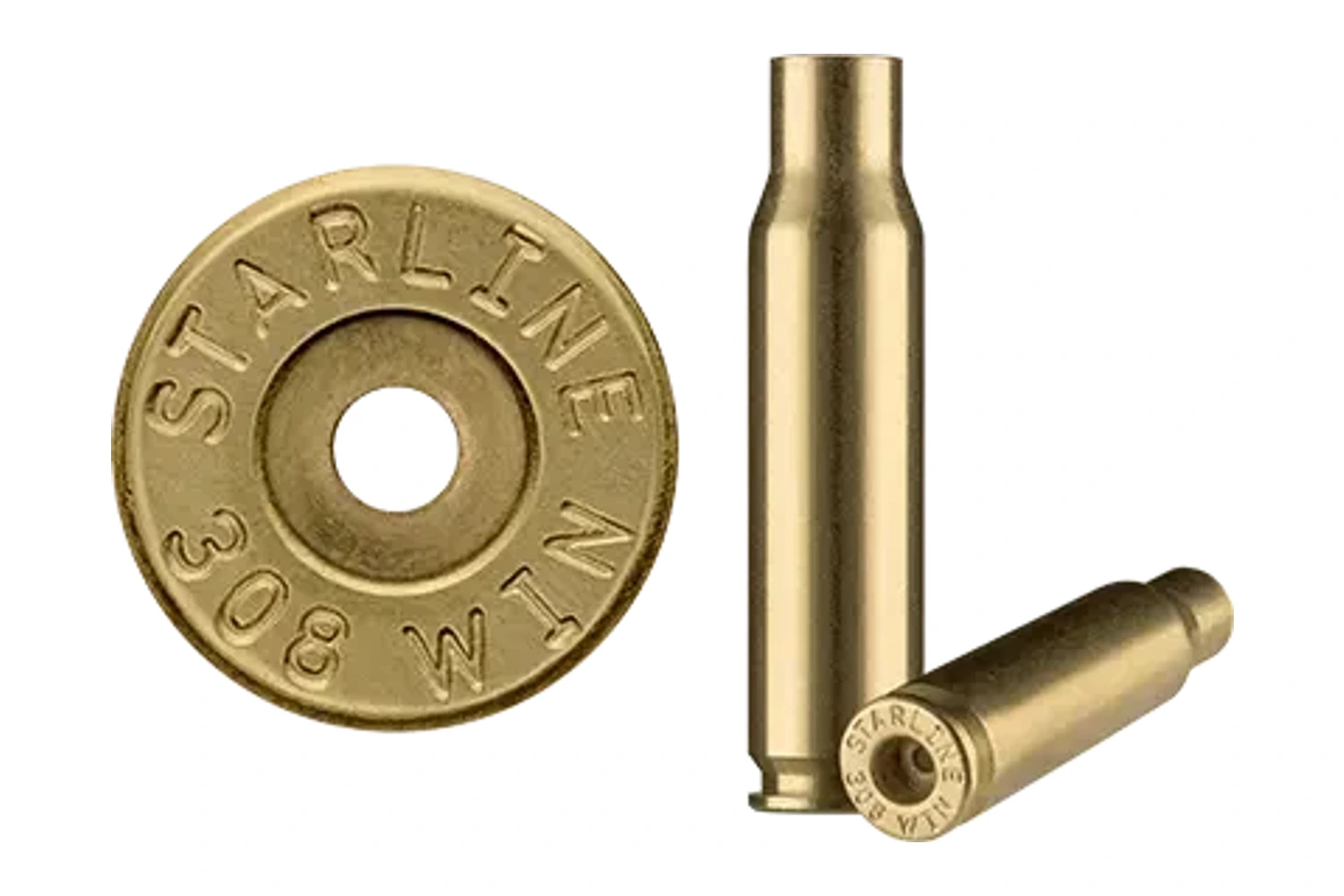
Hunting and precision
For bottleneck cases, Starline recommends neck-sizing only or running the expander through and chamfering the mouth inside and out before loading: the expander also removes corrosion inhibitor from inside the neck and rounds the mouth. The .308 Win. takes a large rifle primer; the small-rifle-primer version is the .308 Match, which we do not carry.
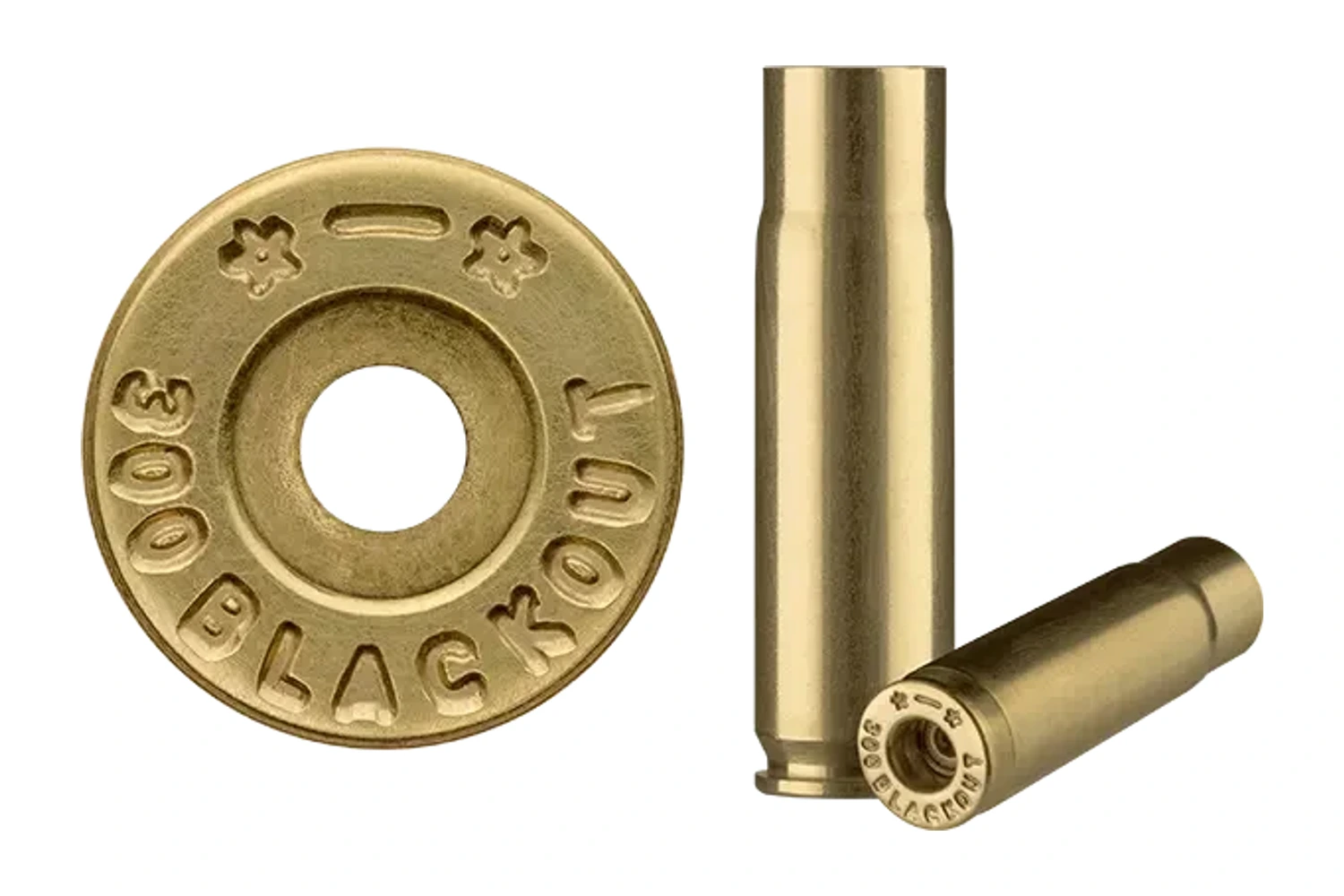
AR-15 platform
The .300 Blackout comes from a shortened 5.56 × 45 necked to .30 calibre and uses a small rifle primer: an AR-15 changes between them with only a barrel swap. It was created for subsonic velocity, and bolt-action and single-shot rifles are now also made in the calibre.
Calibres
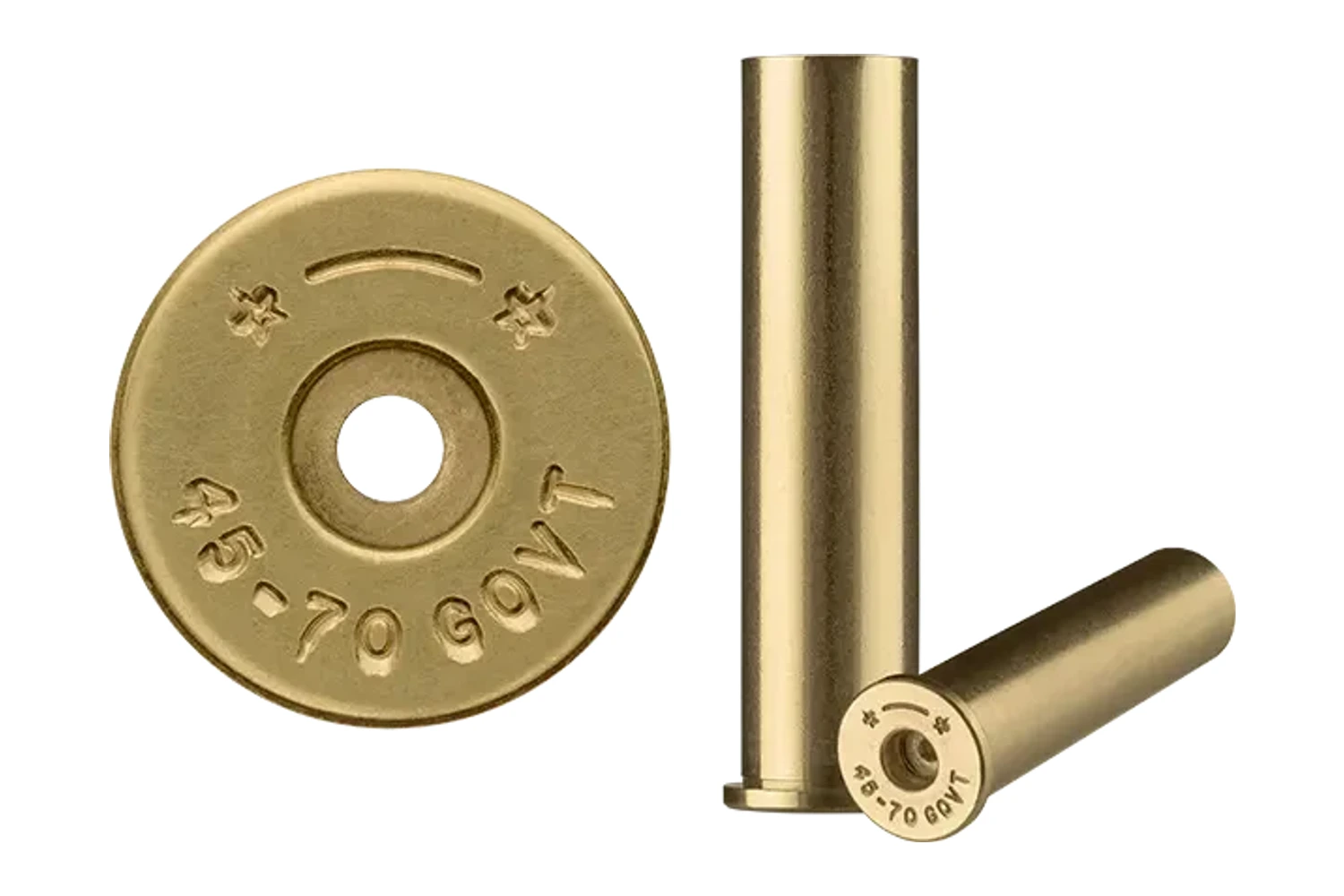
Large calibre and classic cartridges
Starline’s .45-70 is deliberately made hard and tested at the high pressures of smokeless-powder hunting loads in suitable firearms. Black powder produces less pressure, and the manufacturer warns that the mouth may need annealing so the case seals the chamber.
Calibres
Starline in the shop
The complete catalogue.
The shop is available in Spanish.