
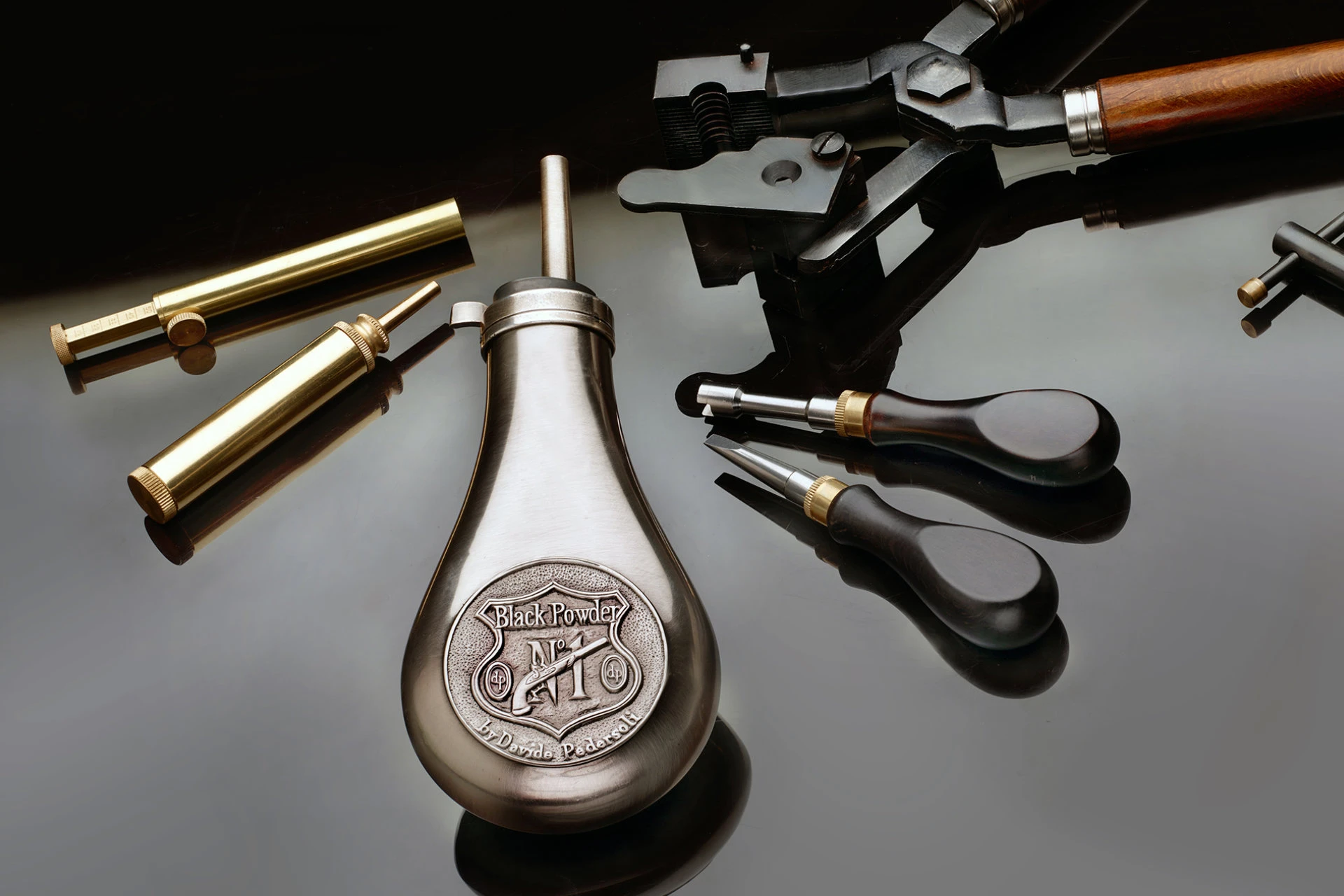

Since 1982 every part has left its own Gardone Val Trompia workshops: the company makes barrels, stocks, actions and screws.
Image: Davide Pedersoli S.r.l.
- Founded 1957
- Factory Gardone Val Trompia, Brescia
- Produces Muzzleloading · historical breechloading
- Warranty Two years on mechanical parts
- Categories Firearms
History
The company that stopped making shotguns
Davide Pedersoli (1924–1996) set up the company in 1957 to make hunting shotguns: over-and-unders to its own patent and side-by-sides. In 1960 it also began making muzzleloaders and powder flasks, and within ten years muzzleloading had taken over the rest of the business. In 1973 the company stopped making conventional hunting shotguns to concentrate solely on historical reproductions and their accessories.
The decisive move came in 1982, when it opened its own departments for every wooden and metal part. Today barrels and stocks leave its two main workshops; small mechanical parts, screws and powder flasks come from its numerical-control shops; and polishing, assembly and storage are also its own. The company sums it up in one line: every component needed to assemble a firearm is made in-house.
Accessories have their own company, U.S.A. —Universal Special Accessories—, created for them. It produces the brushes, moulds, peep sights and powder flasks that occupy most of this catalogue: several accessories and consumables arrive for every firearm.
Quality control includes ultrasound of the barrel material and strength, hardness and dimensional tests. Italian law then requires every firearm —muzzleloaders included— to pass the Banco Nazionale di Prova high-pressure proof in Gardone Val Trompia under C.I.P. rules. The company also maintains an indoor shooting tunnel to test prototypes and accuracy.
The company itself totals the results family by family: Mortimer has 40 world gold medals and six world records; the Württembergischen 1857 has fourteen golds and three records; the Le Page duelling pistol has eighteen golds.
It remains a family business, run by Pierangelo Pedersoli and his brother-in-law Giovanni, with the third generation in training. In August 2024 the Italian competition authority awarded it a “two stars +” legality rating.

Product families
What we distribute
Historical firearms first; then the loading, ignition, casting and sighting equipment made around them.
Muzzleloading rifles and muskets
Flintlock and percussion; each entry identifies its system.
Mortimer
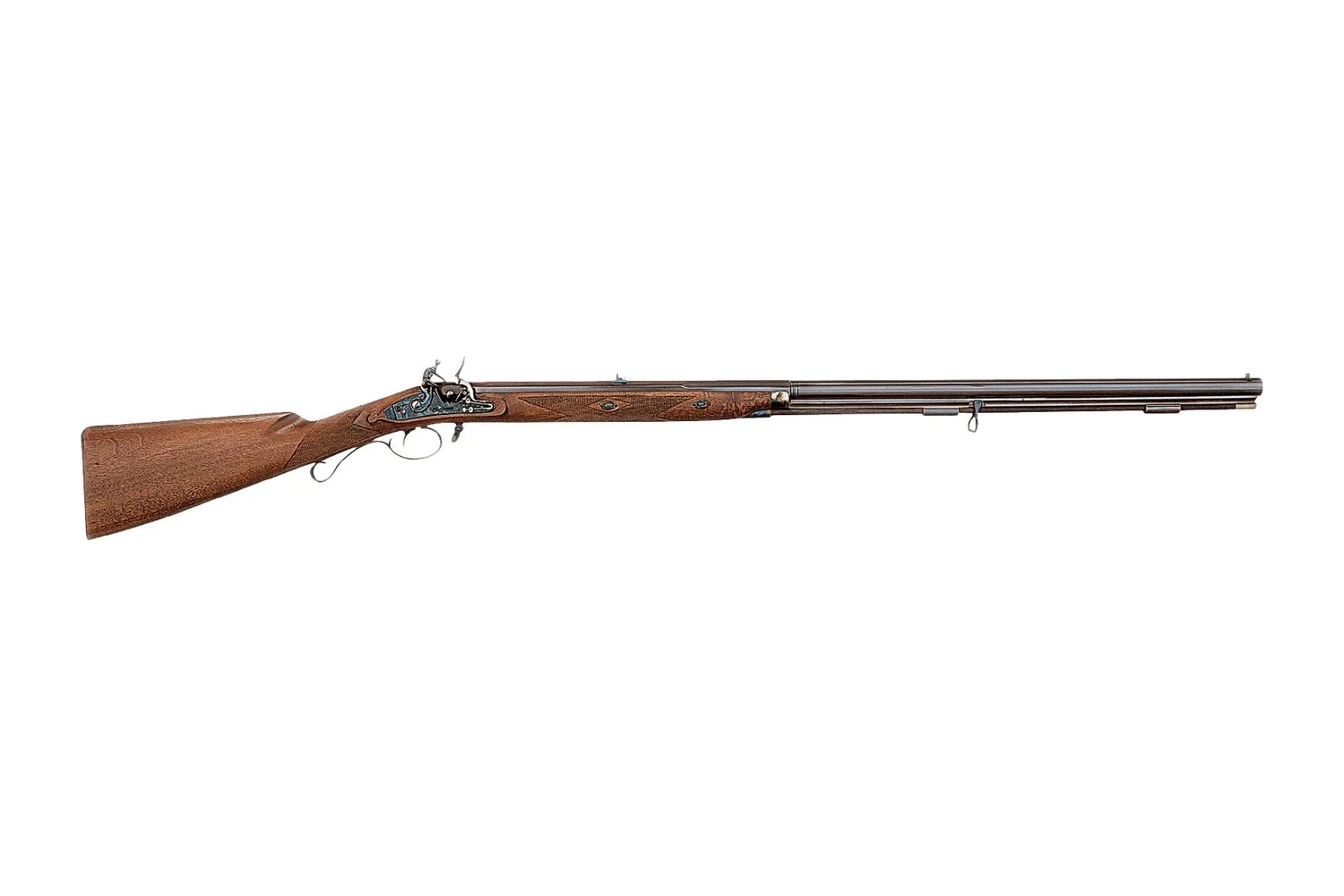
English octagonal-to-round rifle, oil-finished European walnut, English cheekpiece and chequering, colour-case lock/furniture. .54 flint S.240: 925 mm barrel, seven grooves, 1:65 twist.
Versions
Tryon Creedmoor
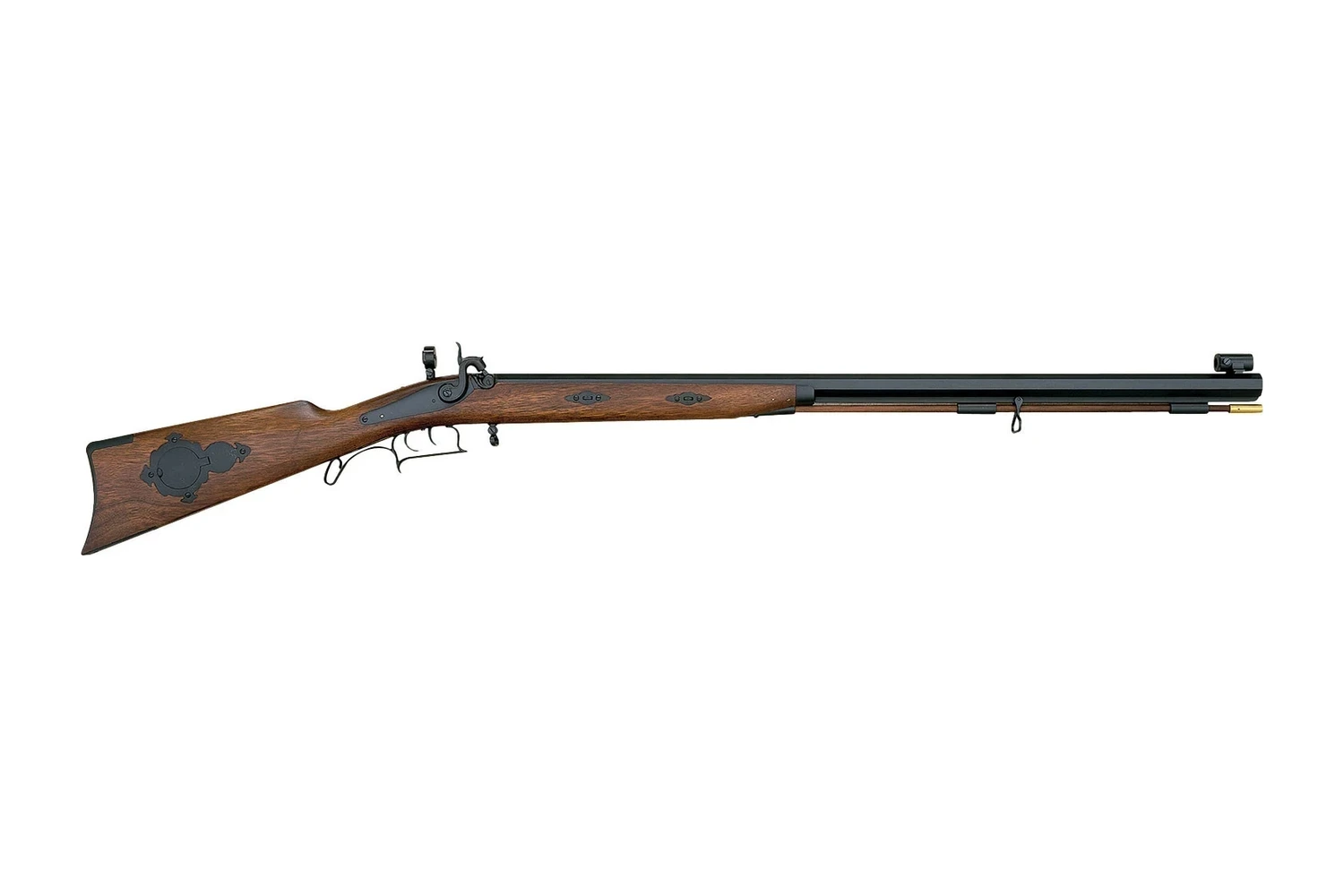
Reproduction of an American plains rifle. The maker presents it as a versatile rifle for target shooting and hunting, and as the recommended model for beginners. Percussion, 820 mm barrel, five grooves and 1:21 twist.
Calibre
Enfield 3 band P1853
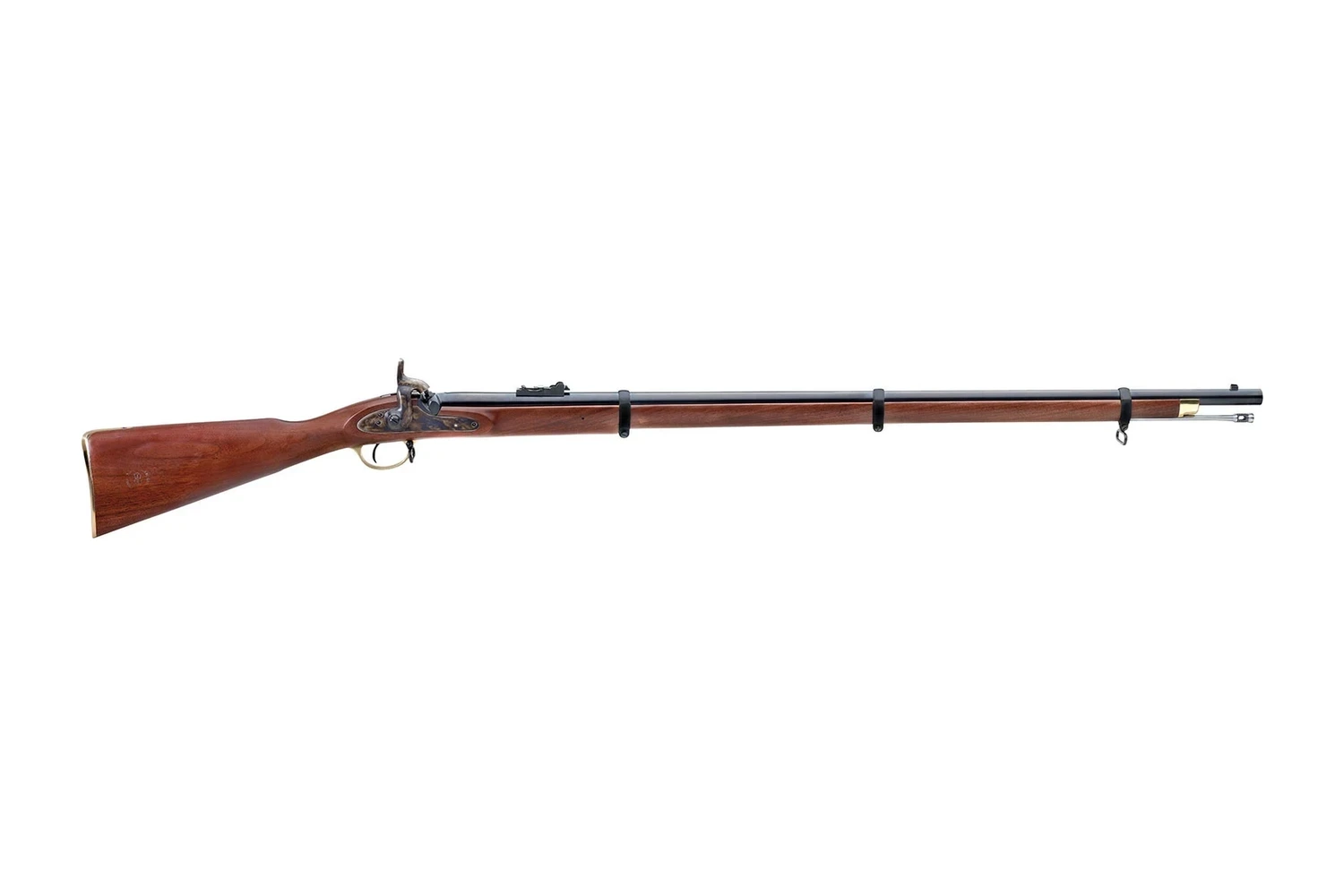
British Pattern 1853 three-band infantry musket. Percussion, 991 mm barrel, three grooves, 1:78; historical shooting/re-enactment.
Calibre
Enfield 2 band P1858
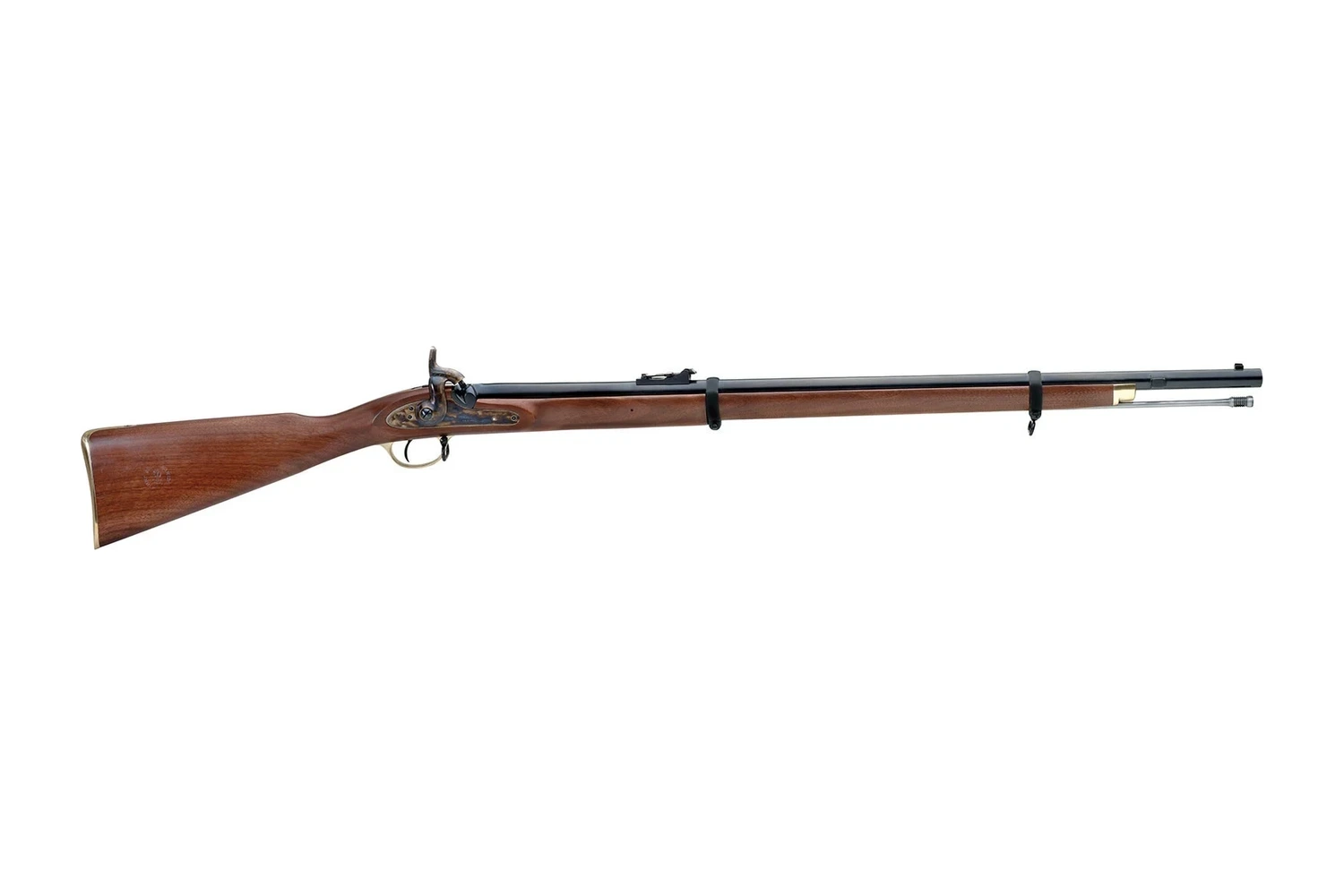
The short two-band version, with an 838 mm barrel, five grooves and 1:48 twist. It uses the same .577 percussion calibre as the three-band model.
Calibre
Pennsylvania
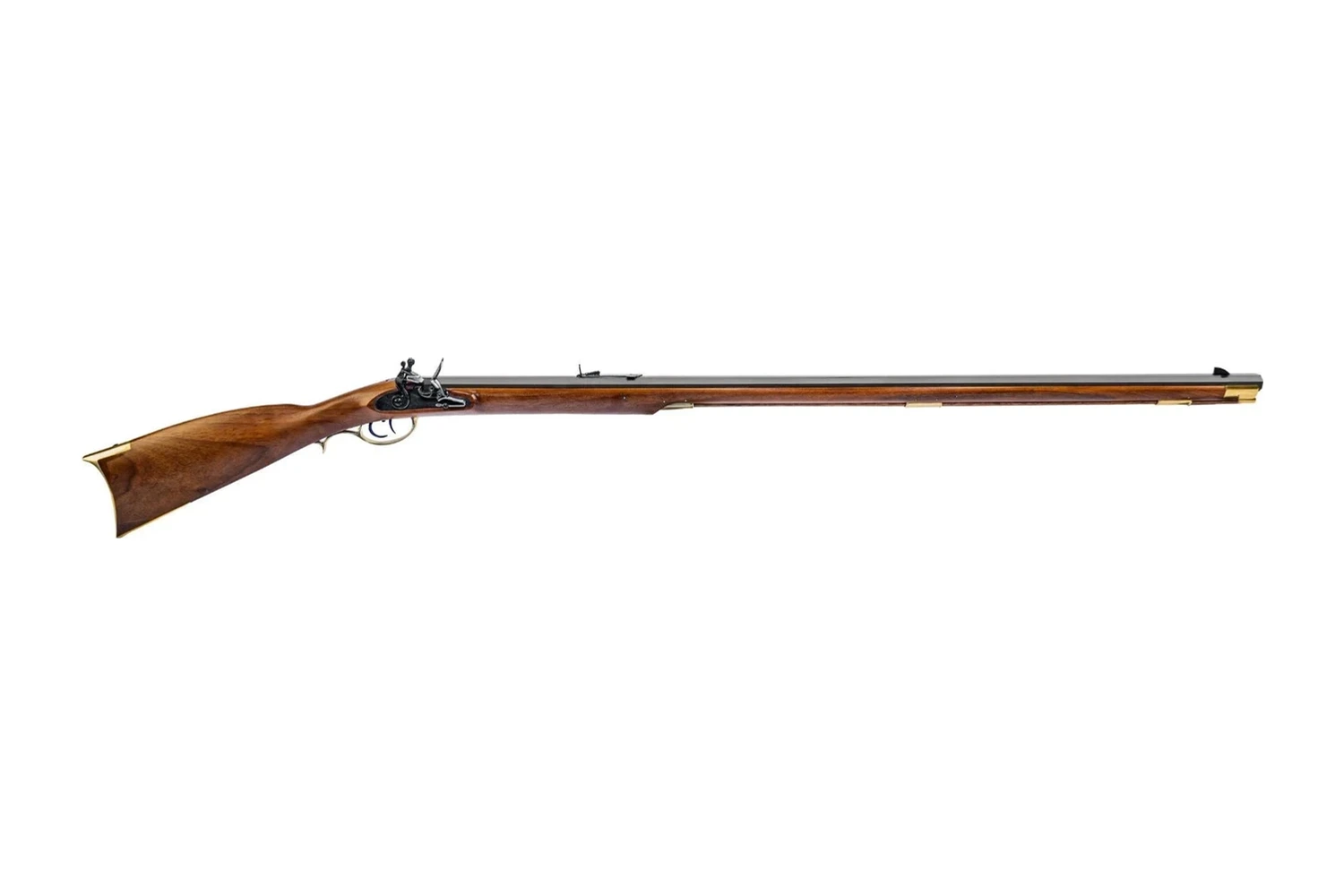
The long rifle carried by Pennsylvania hunters, with flintlock ignition: rust-brown barrel, one-piece oil-finished walnut stock, adjustable double-set trigger and steel sights with a rear sight adjustable for elevation.
Calibre
Pennsylvania Dixie
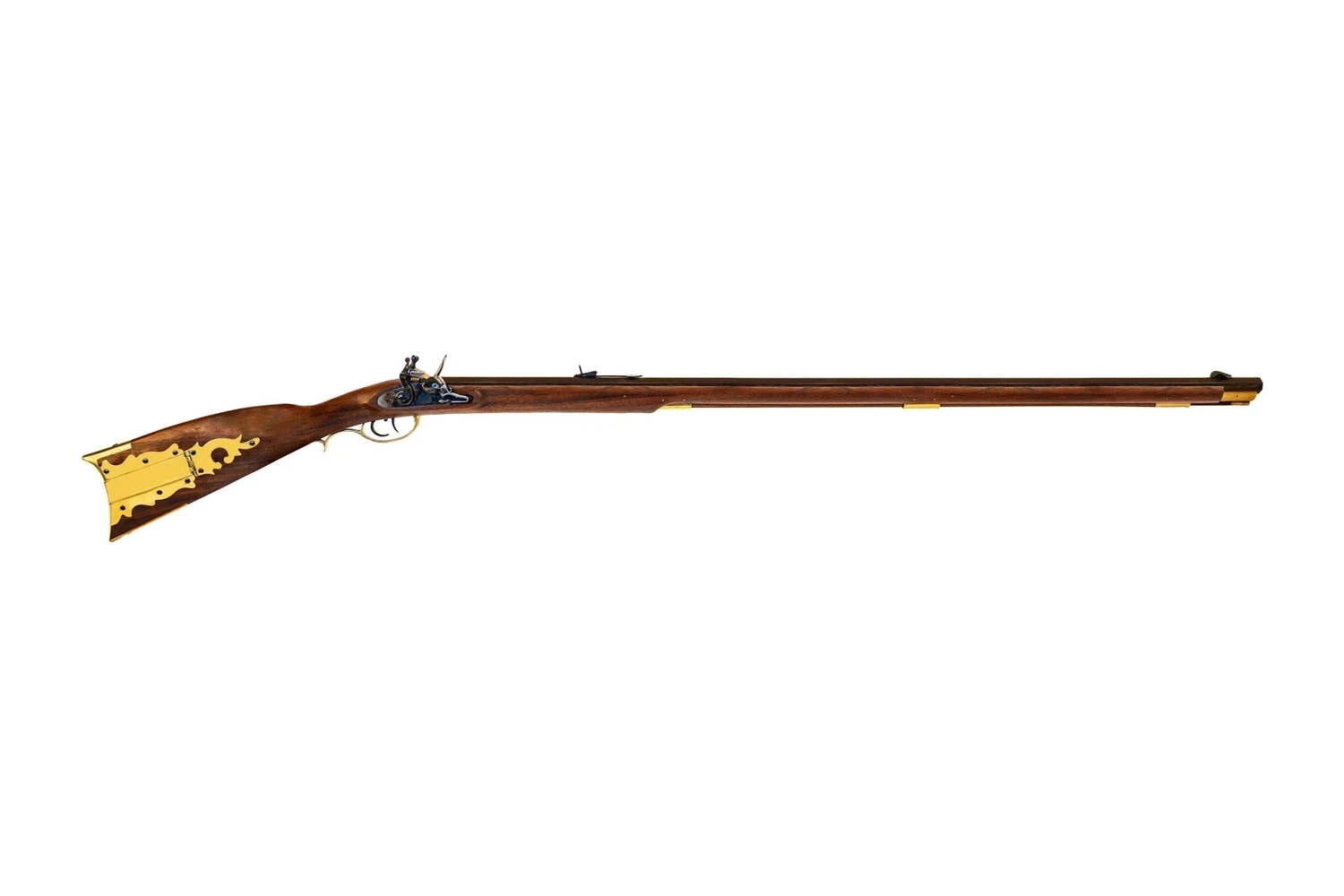
The Dixie variant of the flintlock Pennsylvania, in the same family from the maker and with the same adjustable double-set trigger arrangement and one-piece walnut stock.
Calibre
Kentucky Rifle
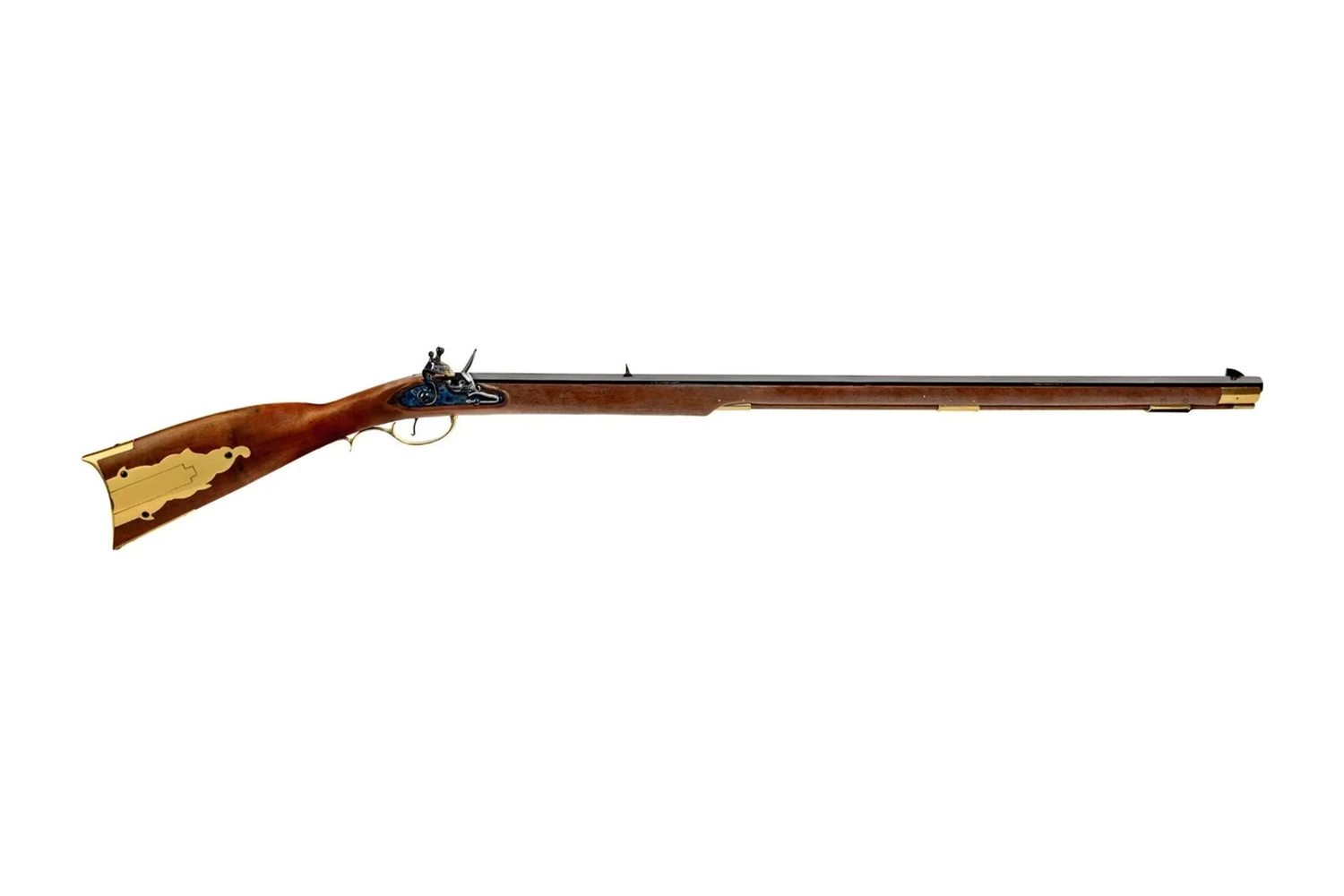
Born from German hunting rifles and a direct rival to the Brown Bess in the American colonies, where it became popular for being light and accurate. Flintlock, blued barrel, polished-brass furniture and oil-finished walnut stock.
Calibre
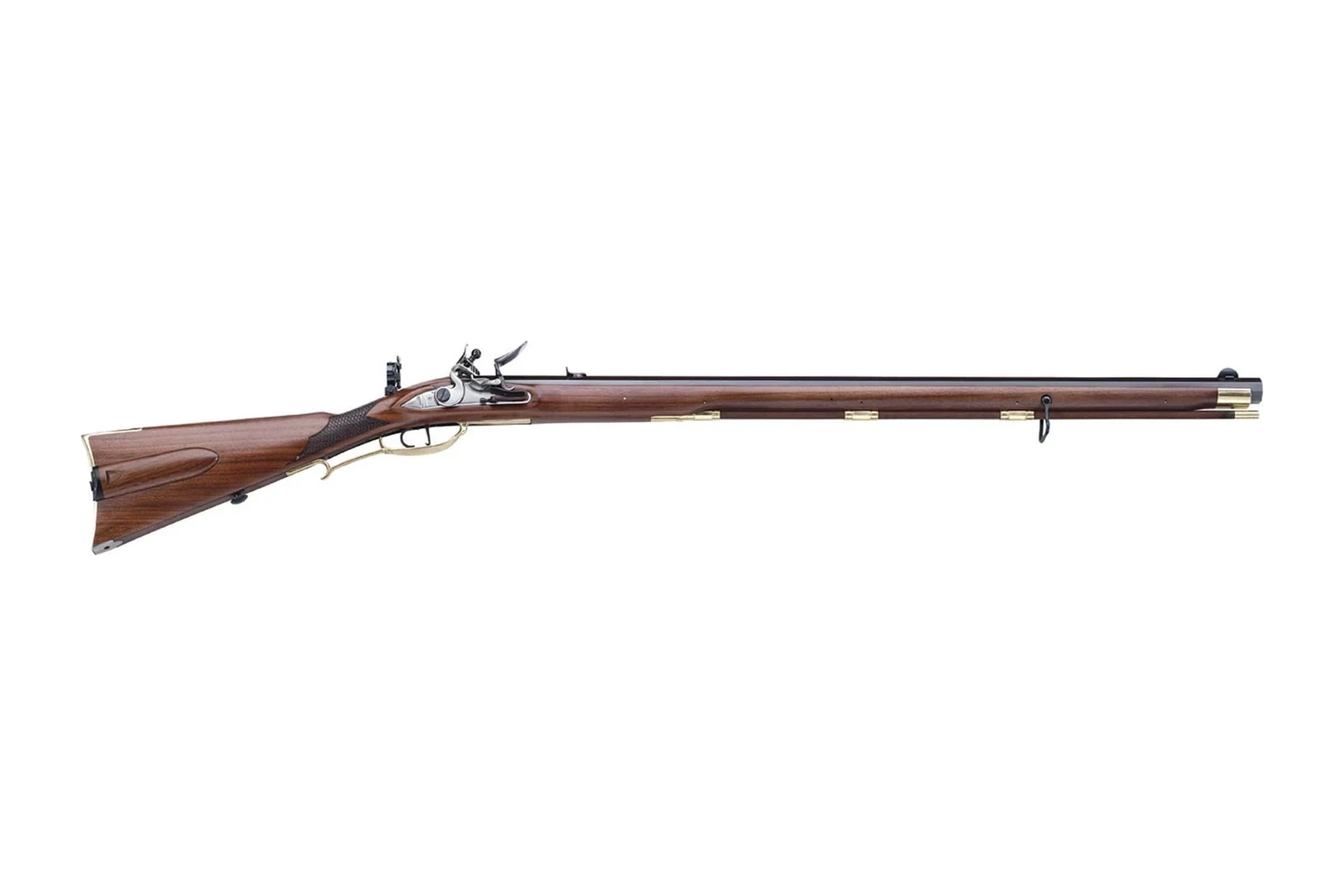
Jäger Target
The compact, large-calibre German Jäger, with a double-set trigger and sliding-lid patchbox. Pedersoli makes it with broach-cut rifling and CNC-machined lock parts. Flintlock, 820 mm barrel, seven grooves and 1:65 twist.
Calibre
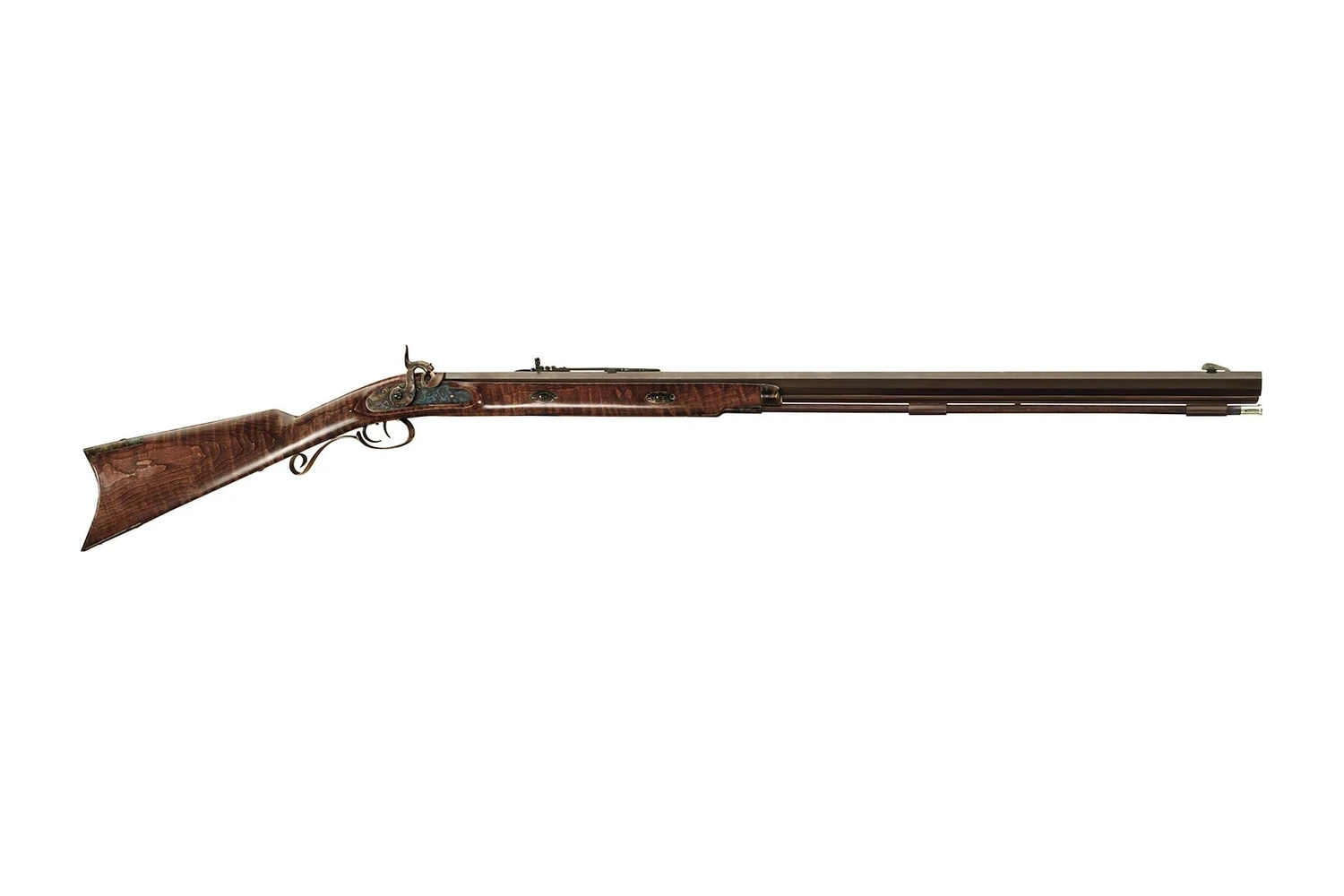
Rocky Mountain Hawken maple
Hawken transition from long fine-calibre Pennsylvania to percussion plains rifle. Heavy 880 mm barrel, seven grooves, 1:65, maple stock.
Calibre
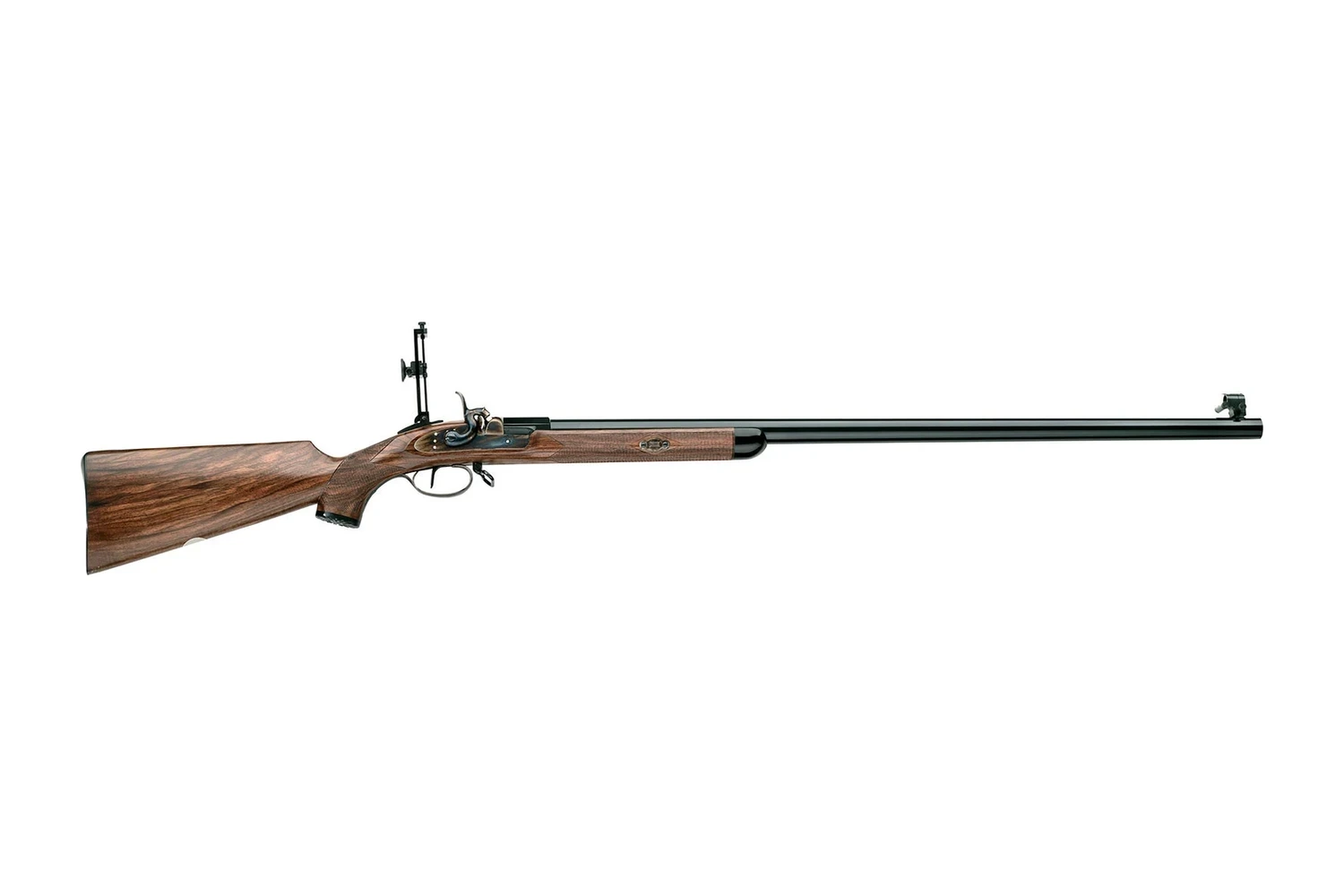
Gibbs
Reproduction of the precision rifle built by the English gunmaker George Gibbs in 1865. It has a blued octagonal-to-round barrel, a chequered oil-finished walnut stock and pistol grip. It comes with a Creedmoor peep sight adjustable for windage and elevation and a globe front sight with a spirit level and fifteen interchangeable inserts. Percussion.
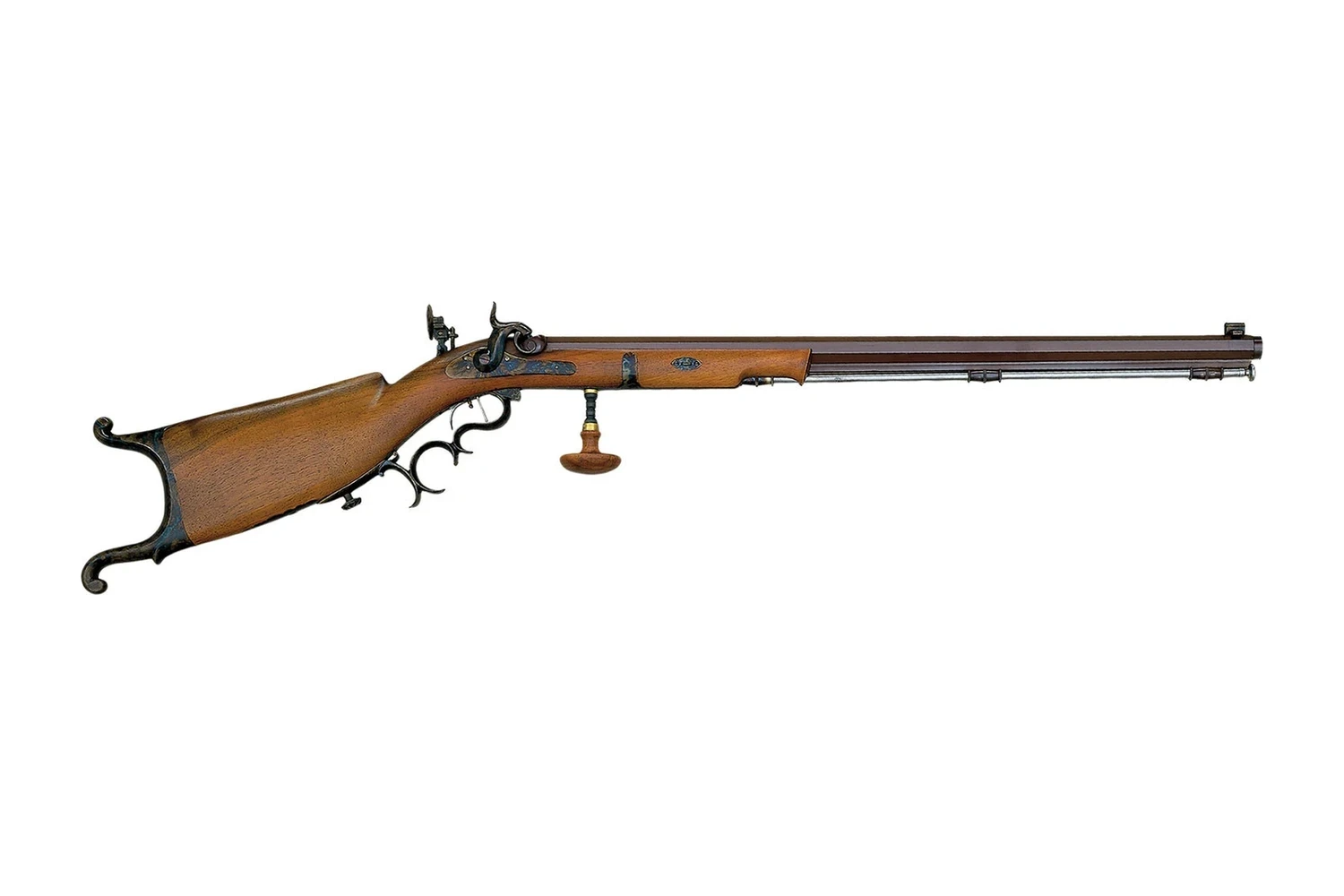
Waadtländer
It shares the technical specifications of the Bristlen A Morges but differs in its barrel: .45 calibre, seven grooves and 1:48 twist over 1,200 mm, with a noticeably lower weight. Percussion.
Calibre
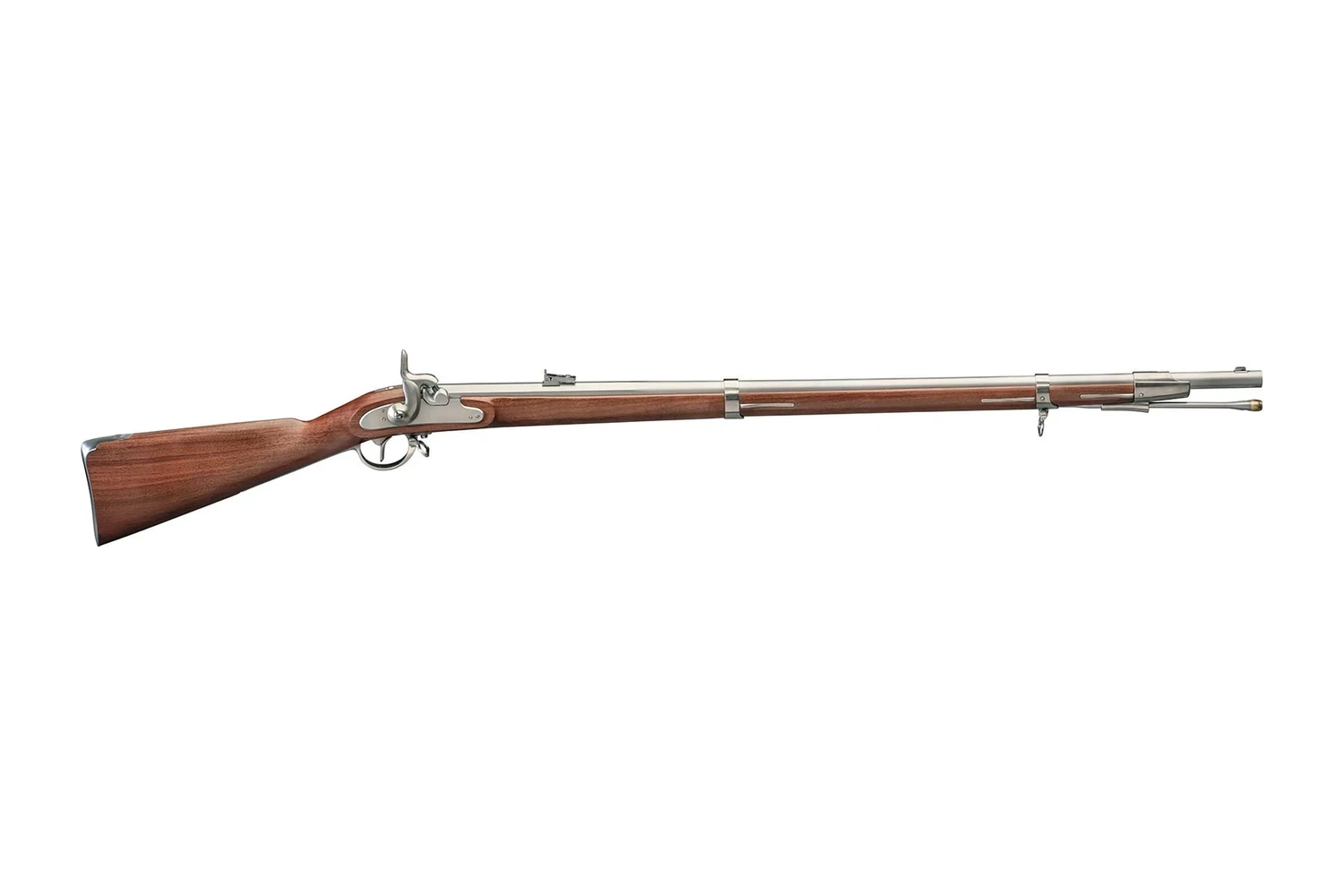
Lorenz Infantry Type II
Designed by Austrian lieutenant Joseph Lorenz, it entered official production in 1854 as the replacement for the Augustin. It served in Italy during the Second War of Independence and in the Balkans, and was exported to America, where both sides used it in the Civil War. Percussion, 940 mm barrel and four grooves.
Calibre
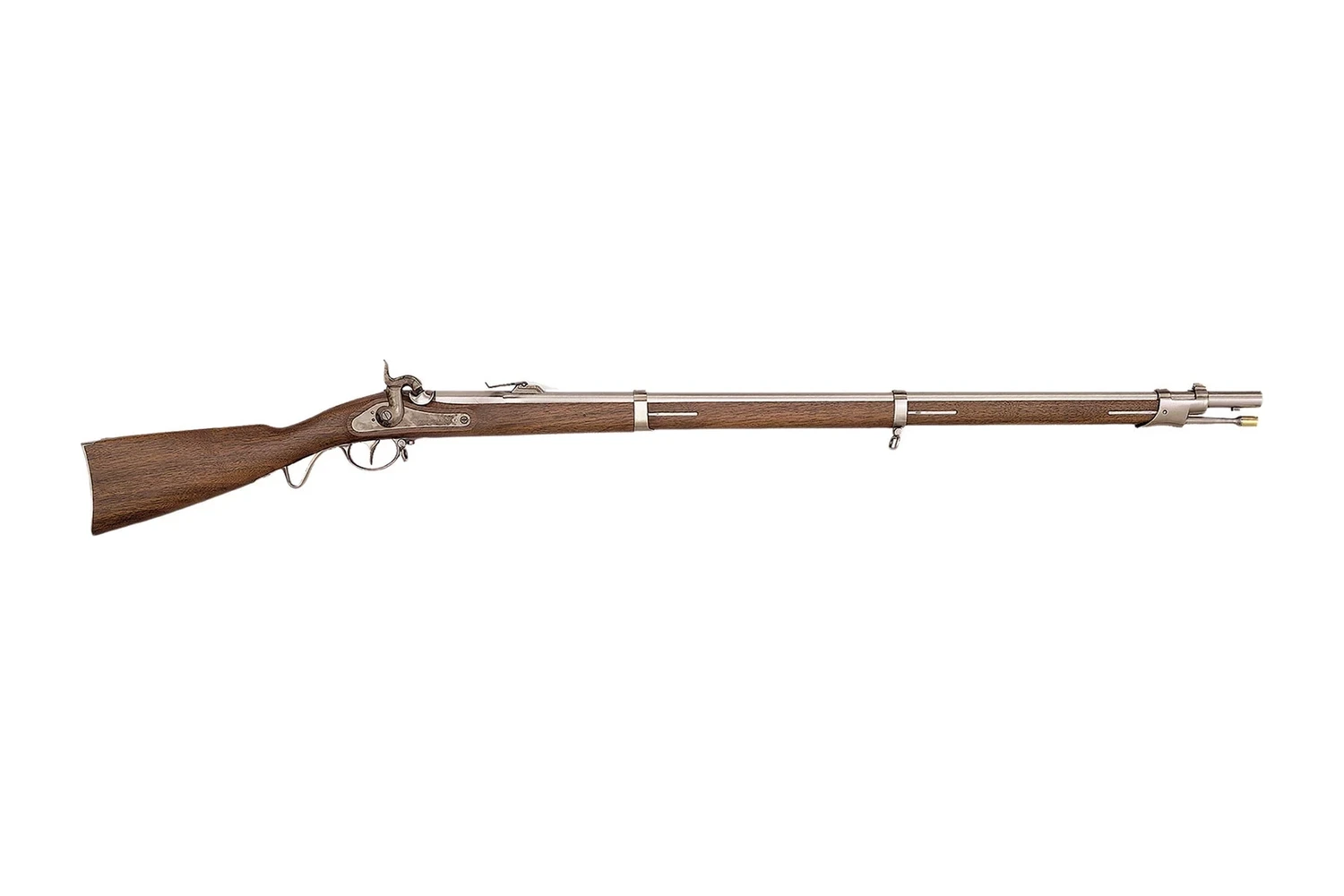
1857 Württembergischen
Reproduction of the infantry Vereinsgewehr made by the Oberndorf Gewehrfabrik from 1857 to 1866 and adopted in Württemberg and Baden. Percussion, 13.9 mm (.547) rifled bore, 1,000 mm barrel and high-base rear sight adjustable for windage and elevation. Pedersoli reproduced it for the 100-metre Minié discipline.
Calibre
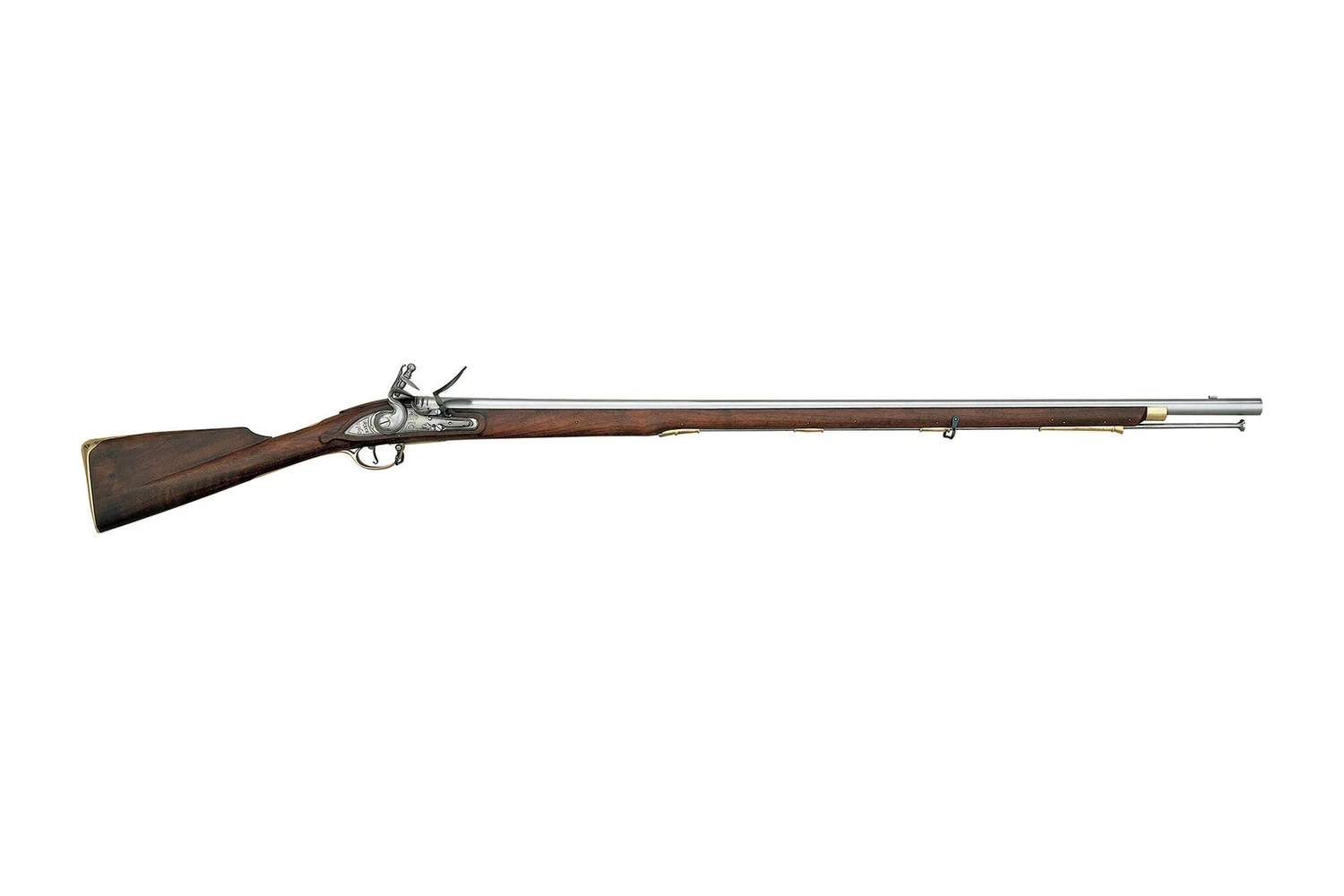
Brown Bess musket
The musket of British troops during the empire’s expansion in India and America, present in Spain’s Peninsular War and at Waterloo. Its lock bears gunmaker William Grice’s signature, the date 1762, the crown and the letters GR. Smooth 1,060 mm steel barrel with satin finish and oil-finished walnut stock. Flintlock.
Calibre
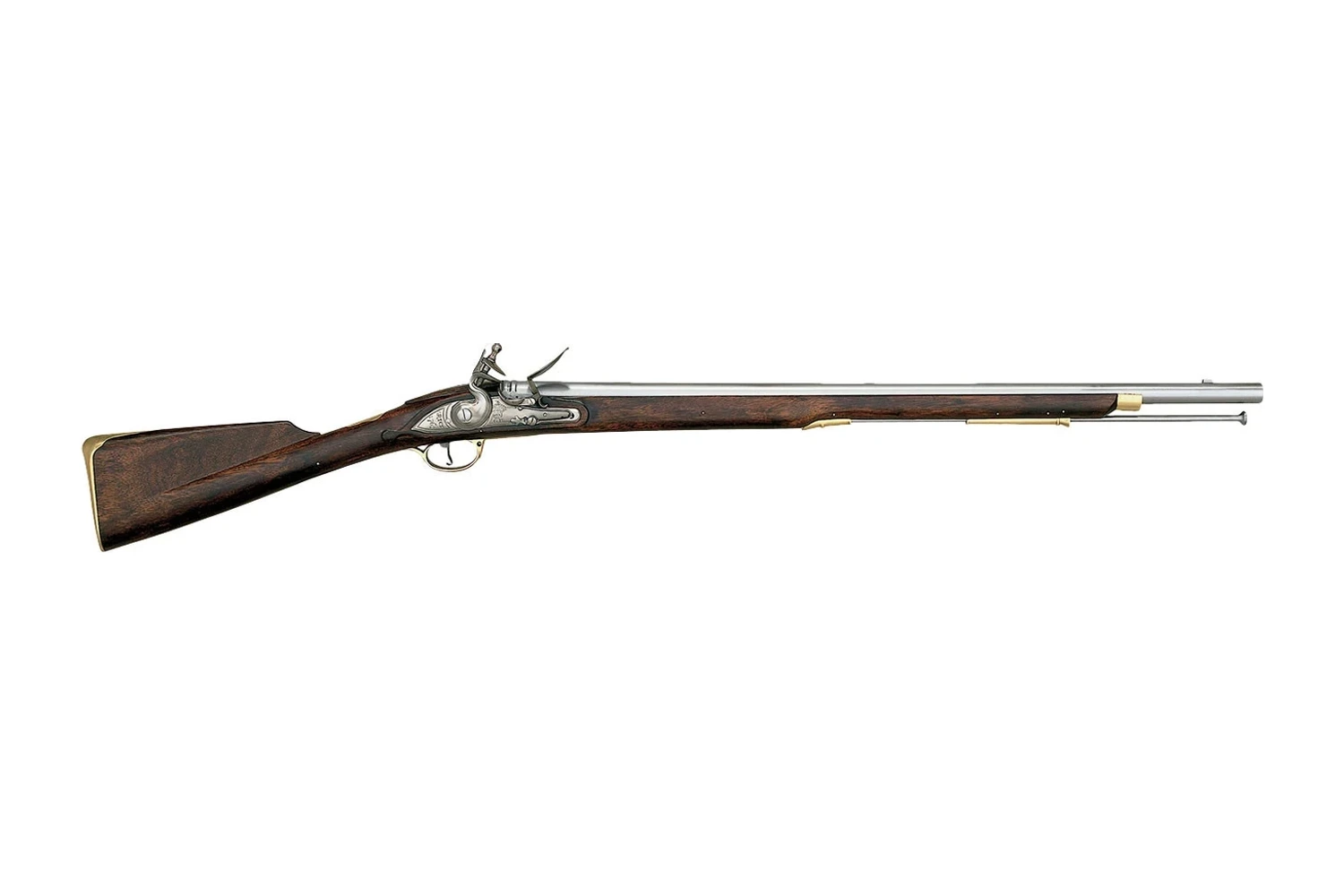
Brown Bess carbine
The short version of the Brown Bess, with a 775 mm smoothbore barrel and an overall length of 1,200 mm. It uses the same lock signed by William Grice and the same walnut stock. Flintlock.
Calibre
Muzzleloading shotguns
Single-barrel percussion muzzleloader.
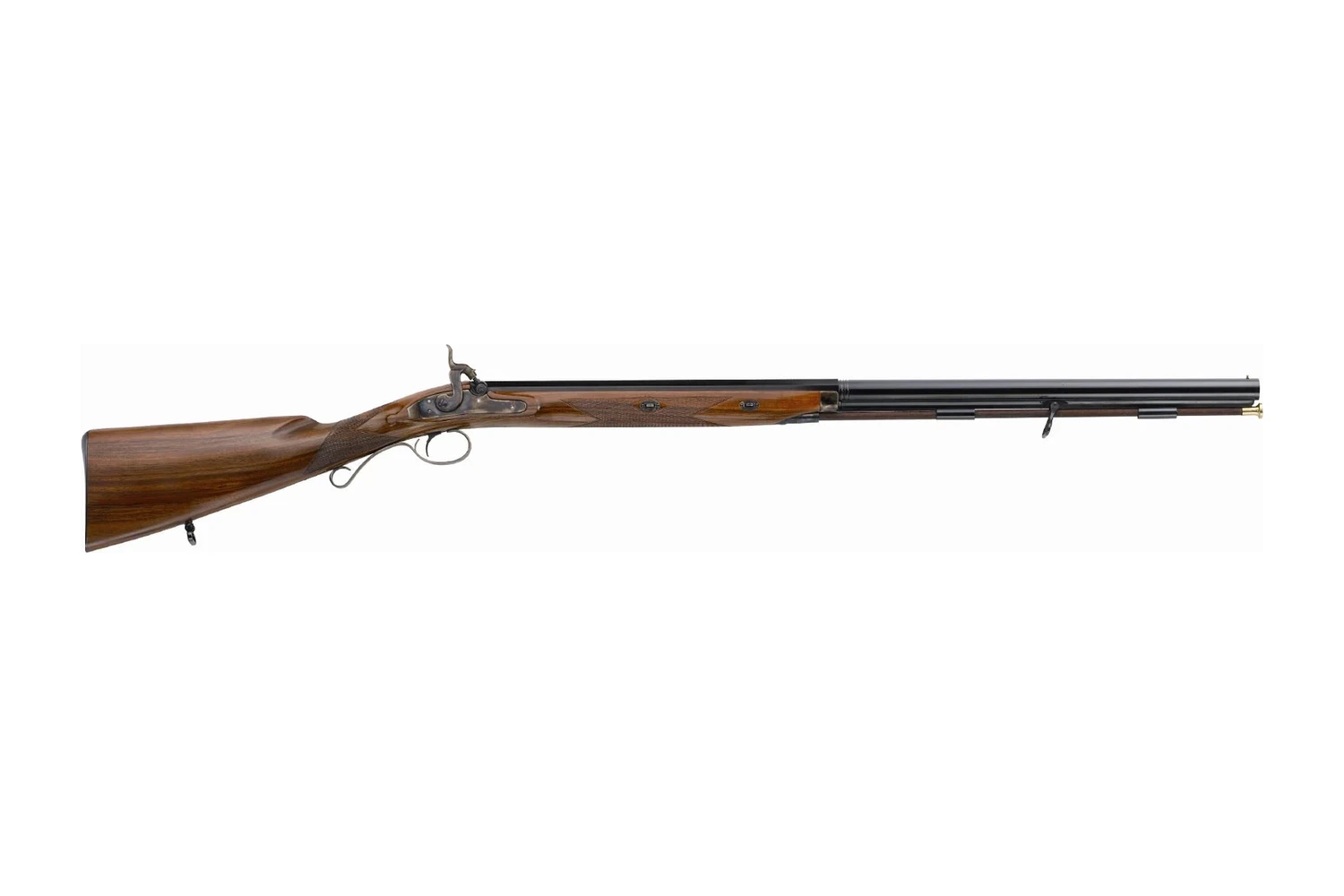
Mortimer Shotgun
The shotgun in the Mortimer family, a single-barrel percussion model with the same oil-finished walnut stock and colour-case-hardened furniture as the rifle. The barrel is 820 mm long.
Calibre
Muzzleloading pistols
Mostly duelling and precision pistols; ignition is stated for each.
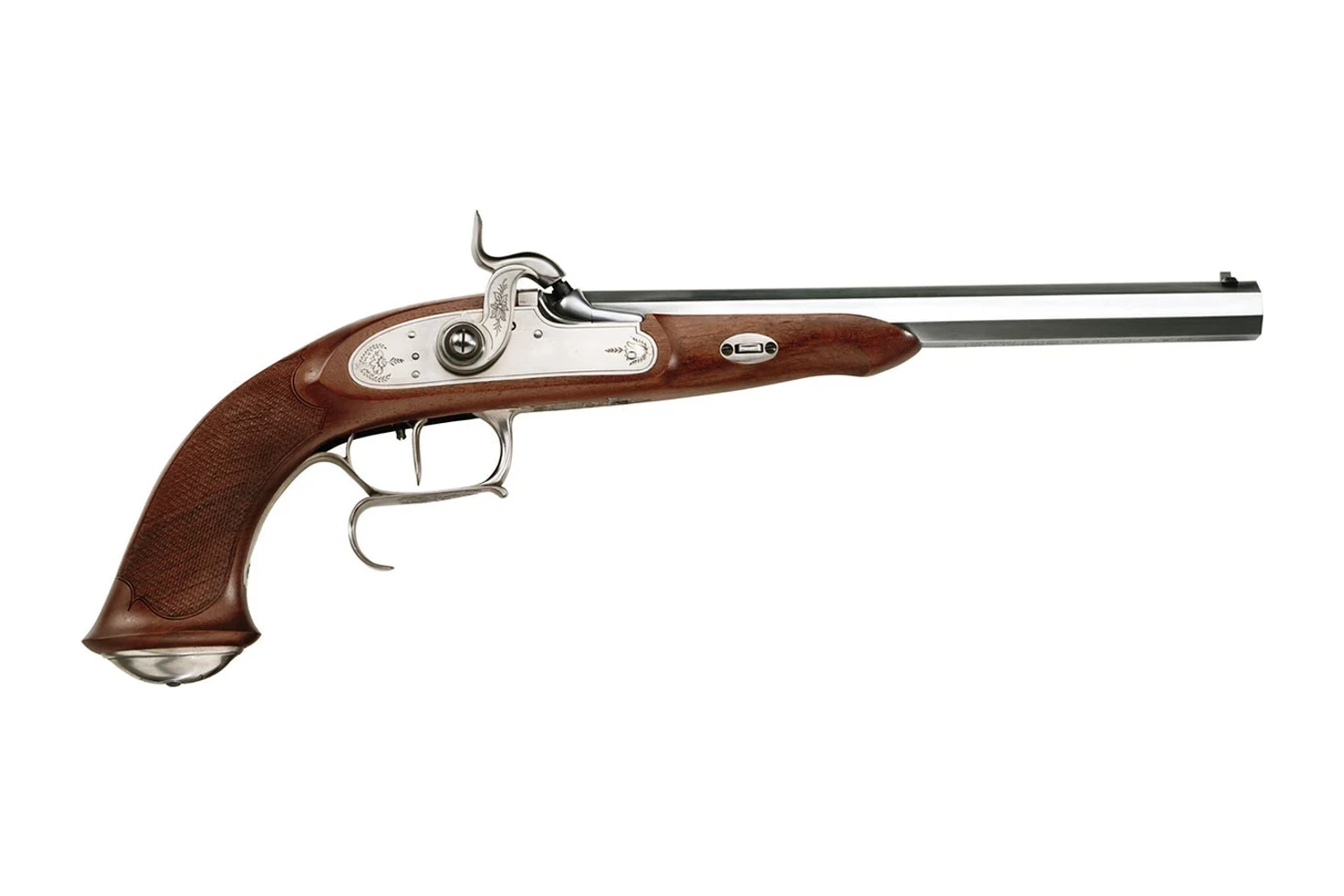
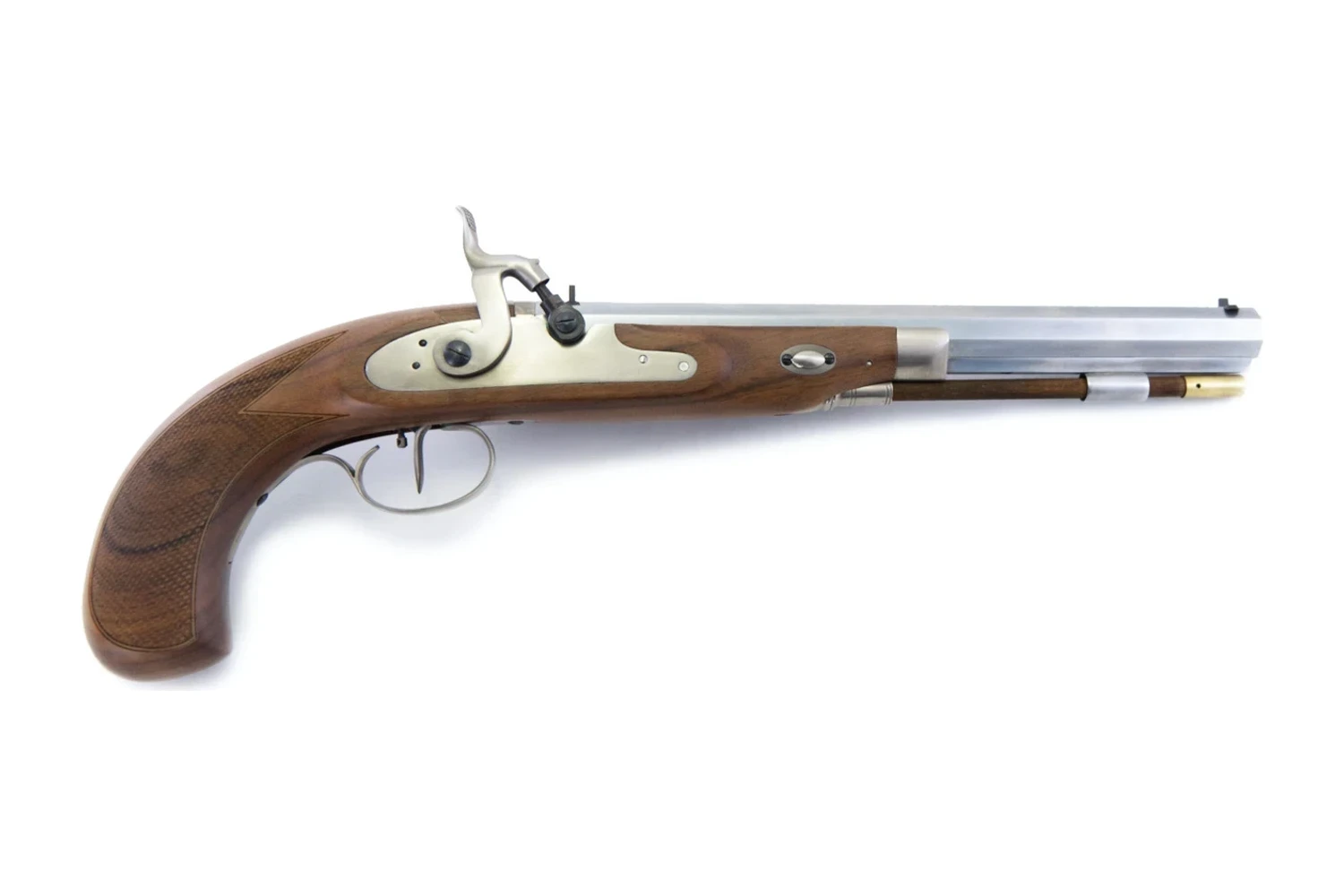
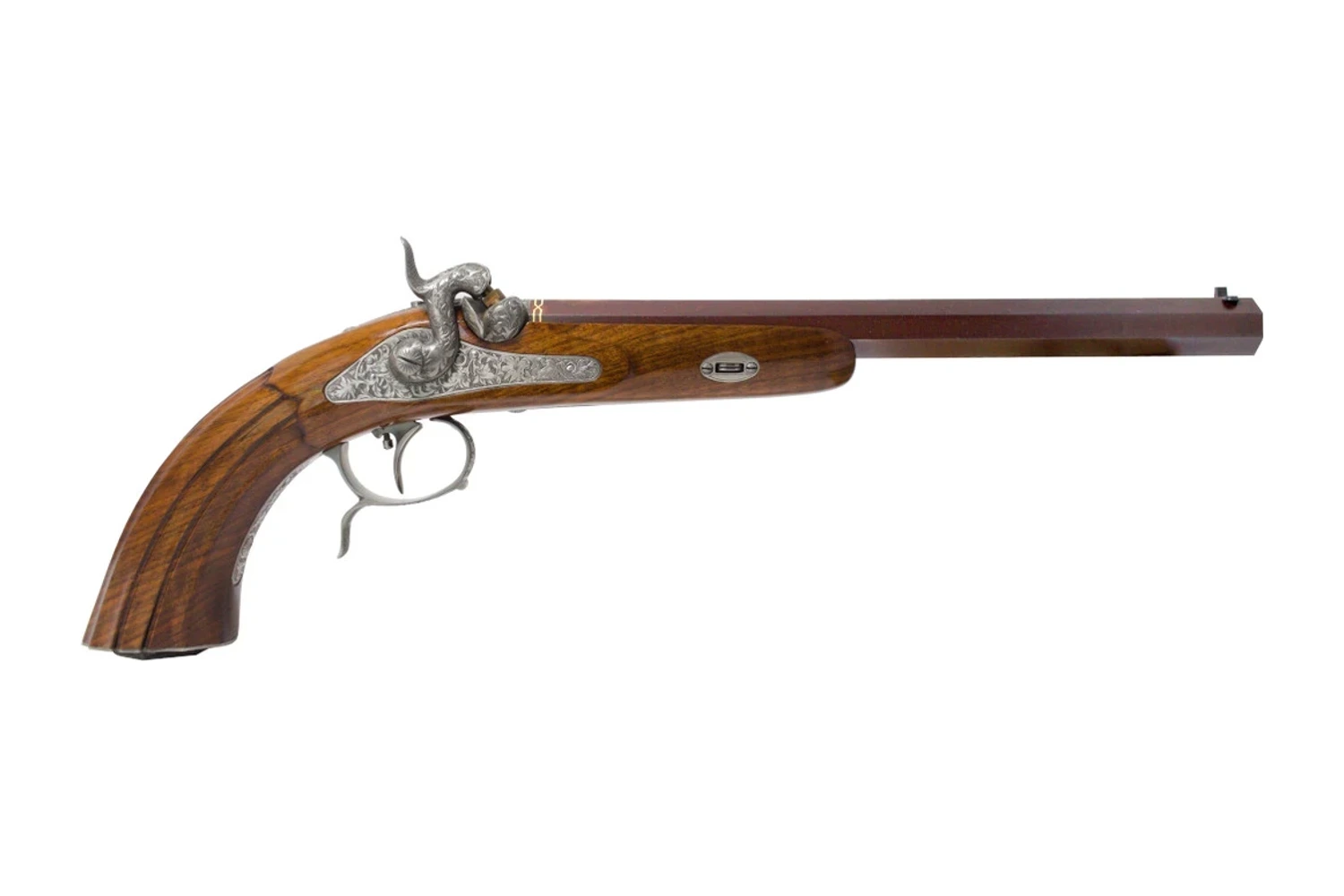
Mang in Graz
A detailed reproduction of the original model by Martin Mang of Graz, with which European technique brought the percussion era to a close. It has a selected oil-finished walnut stock with an imperial-style fluted grip, a rifled octagonal barrel in rust-brown finish and an adjustable set trigger.
Versions
Kuchenreuter
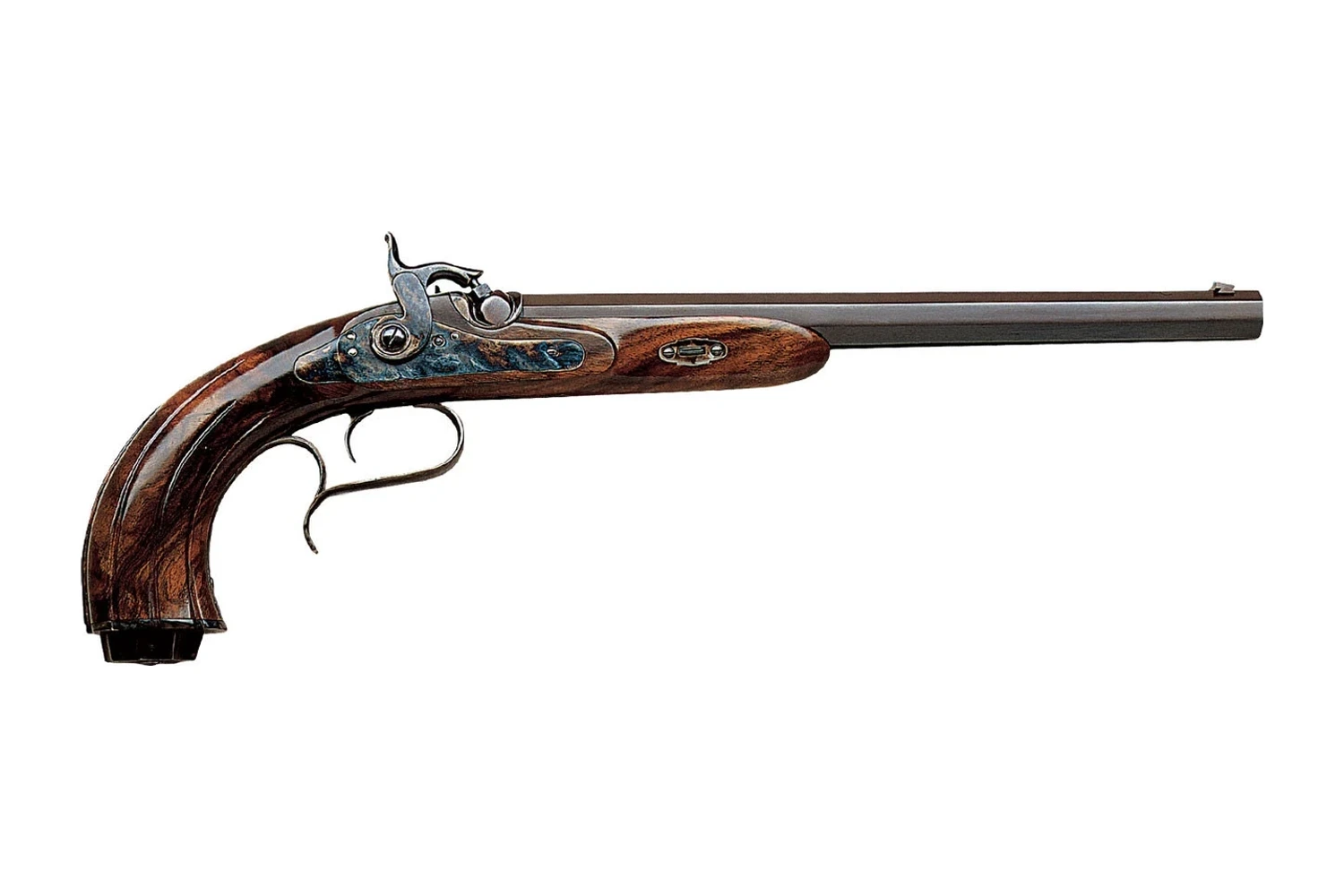
Bartholomäus Joseph Kuchenreuter (1782-1864) worked in Steinweg near Regensburg; the original of this pistol dates from 1854-1855. Set trigger, elevation-adjustable rear sight and rust-brown barrel inscribed BARTH. IOS KUCHENREUTER with an inlaid silver mark. Figured oil-finished walnut stock and colour-case metal. Percussion.
Calibre
Howdah Hunter
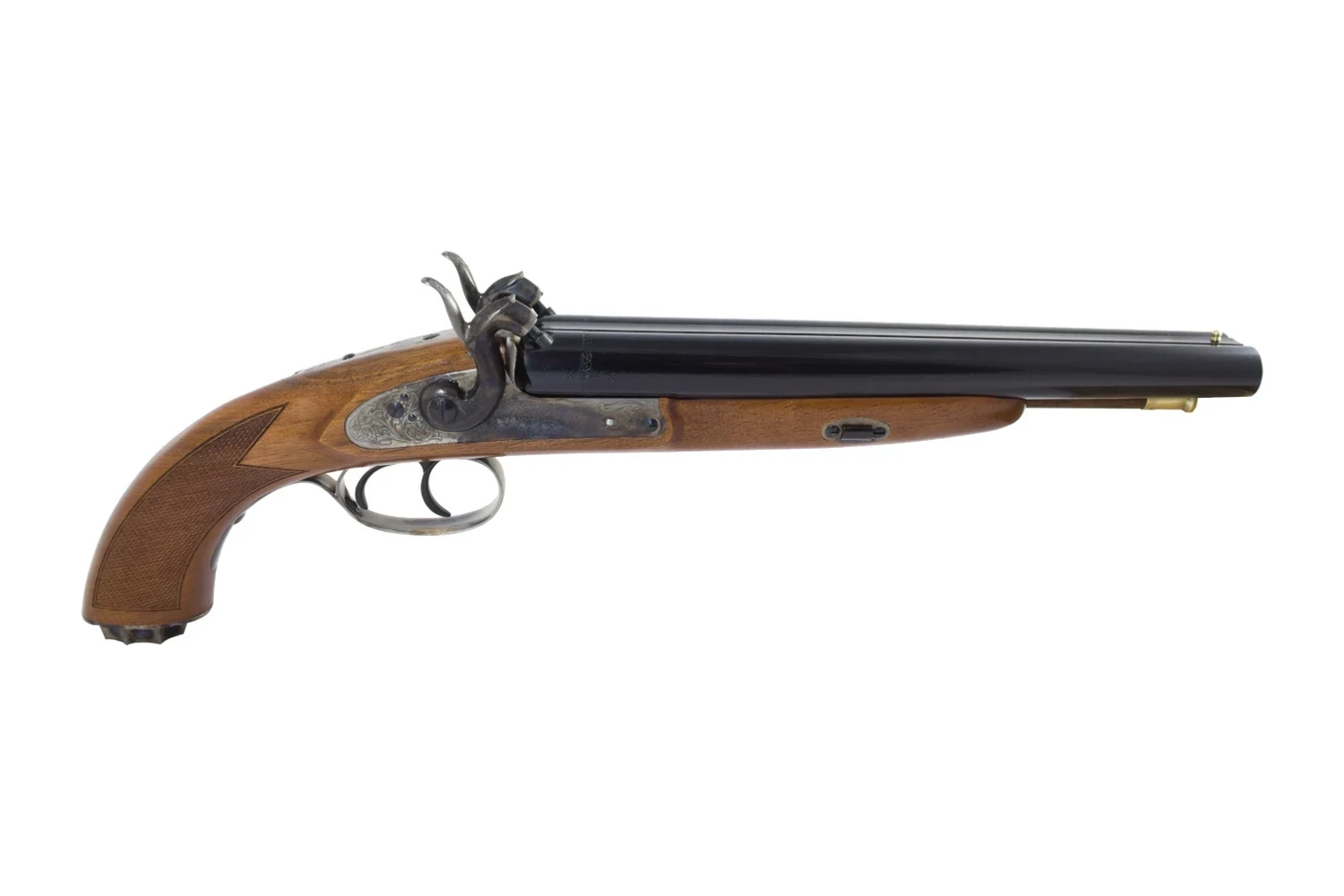
Side-by-side two-barrel pistol in the style carried by British officers in colonial India, intended to stop at close range an animal that jumped onto an elephant’s howdah. Animal-engraved locks with colour-case finish and a walnut stock with two chequered panels. Percussion.
Deringer Philadelphia
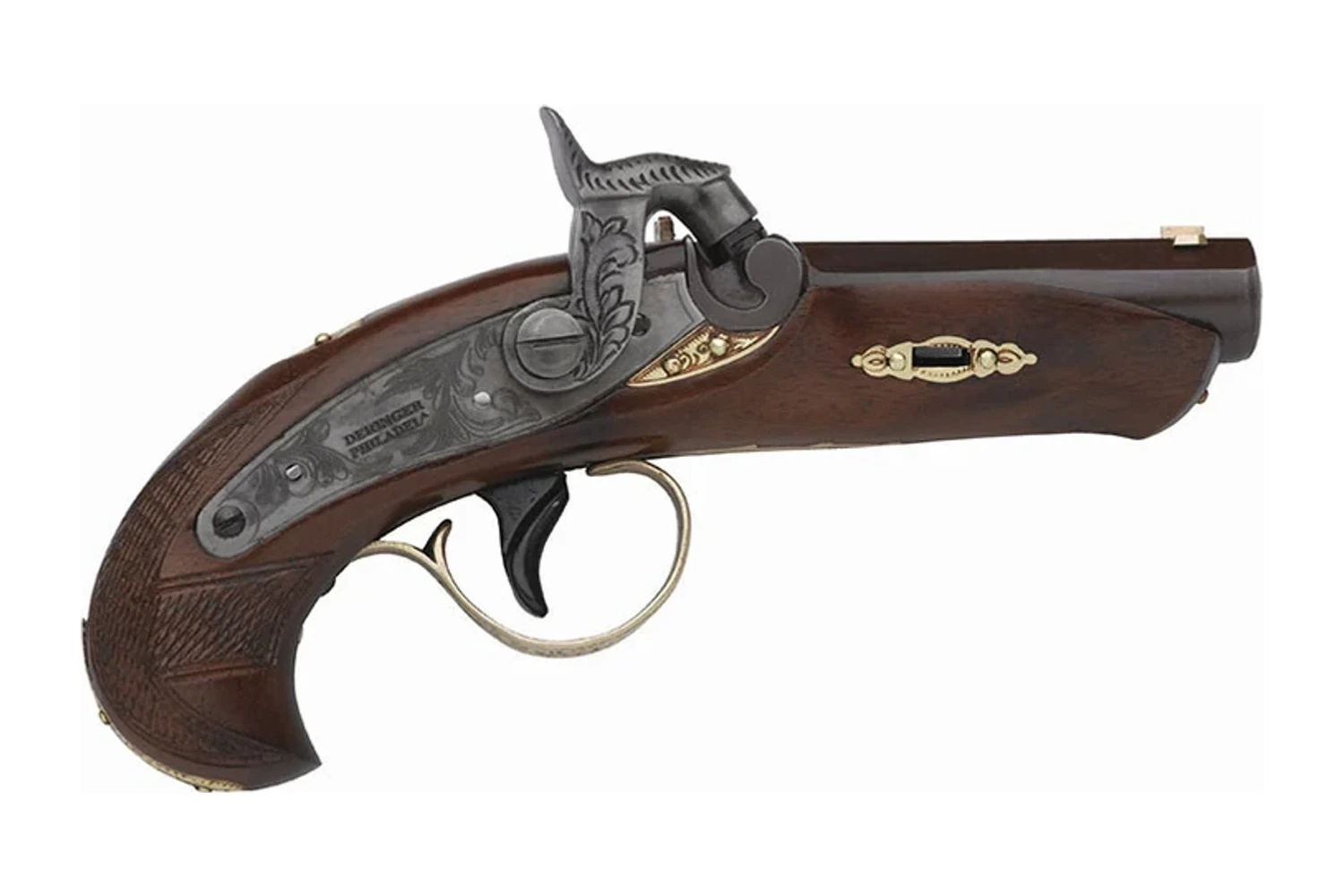
John Henry Deringer (1786-1868) opened his Philadelphia factory in 1806; about fifteen thousand examples of this model were made between 1850 and 1868. An identical pistol was found in the box at Ford’s Theatre on the night of 14 April 1865. Percussion.
Versión
Underhammer Cook
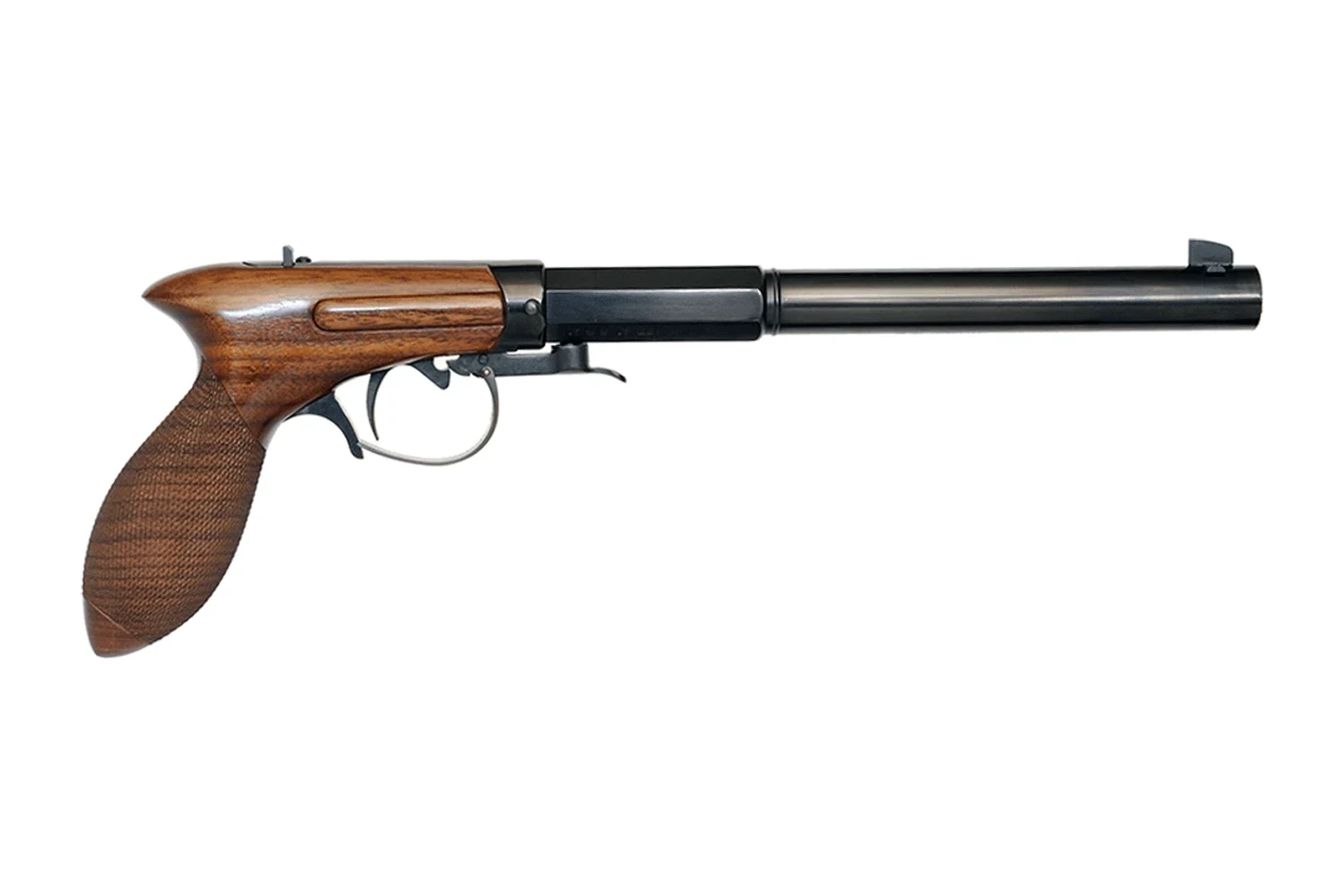
Target pistol complying with M.L.A.I.C. rules. The trigger guard is itself the mainspring and drives the underhammer; the nipple threads horizontally into the drum beneath the action and the barrel removes by releasing a hardened tapered pin. Rear sight adjustable for elevation and front sight for windage.
Calibre
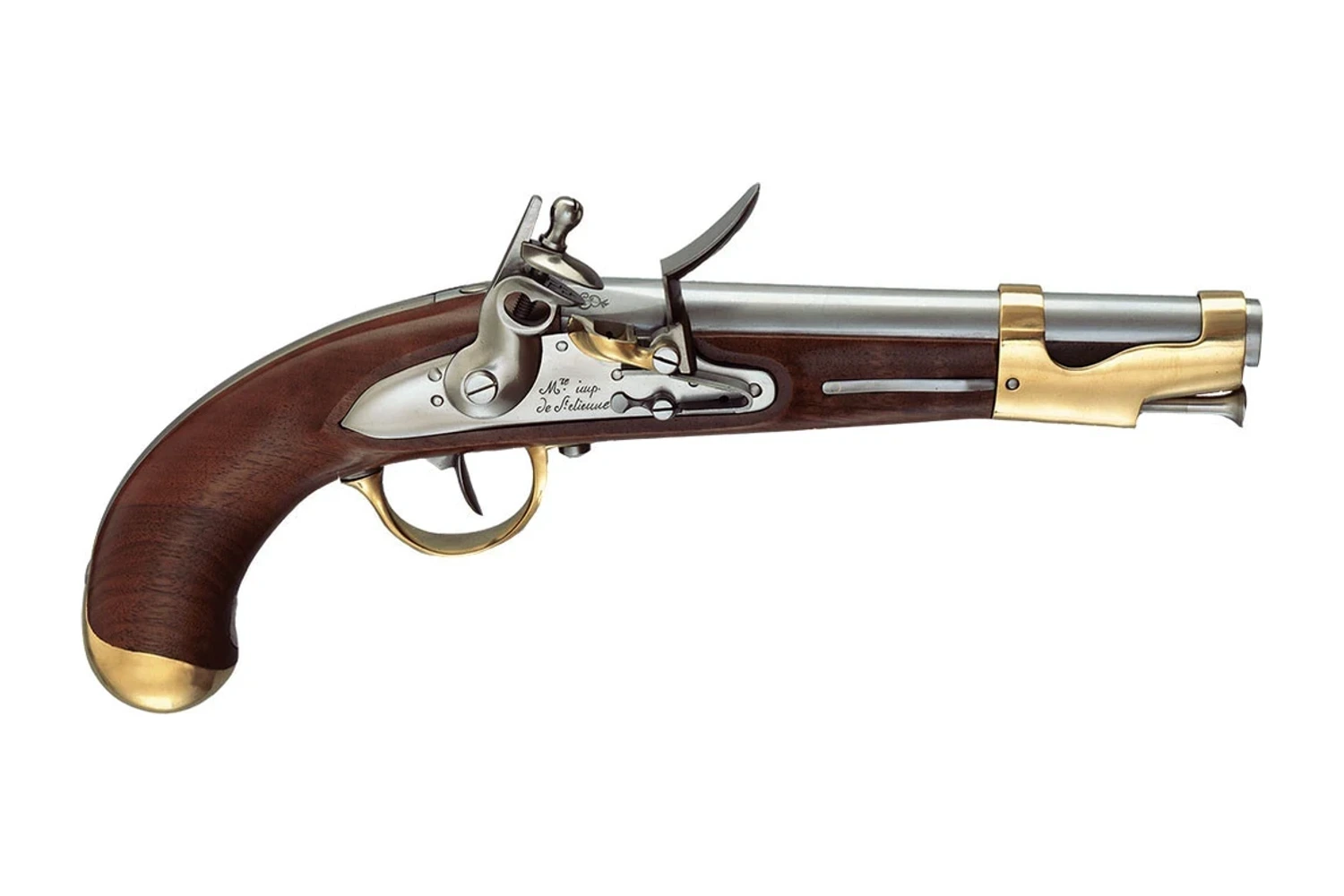
An IX
The cavalry pistol of the Napoleonic period, derived from the 1763-66 model with a shorter barrel and a scaled-down An IX musket lock. About 33,000 pairs were made between 1803 and 1807. Flintlock.
Calibre
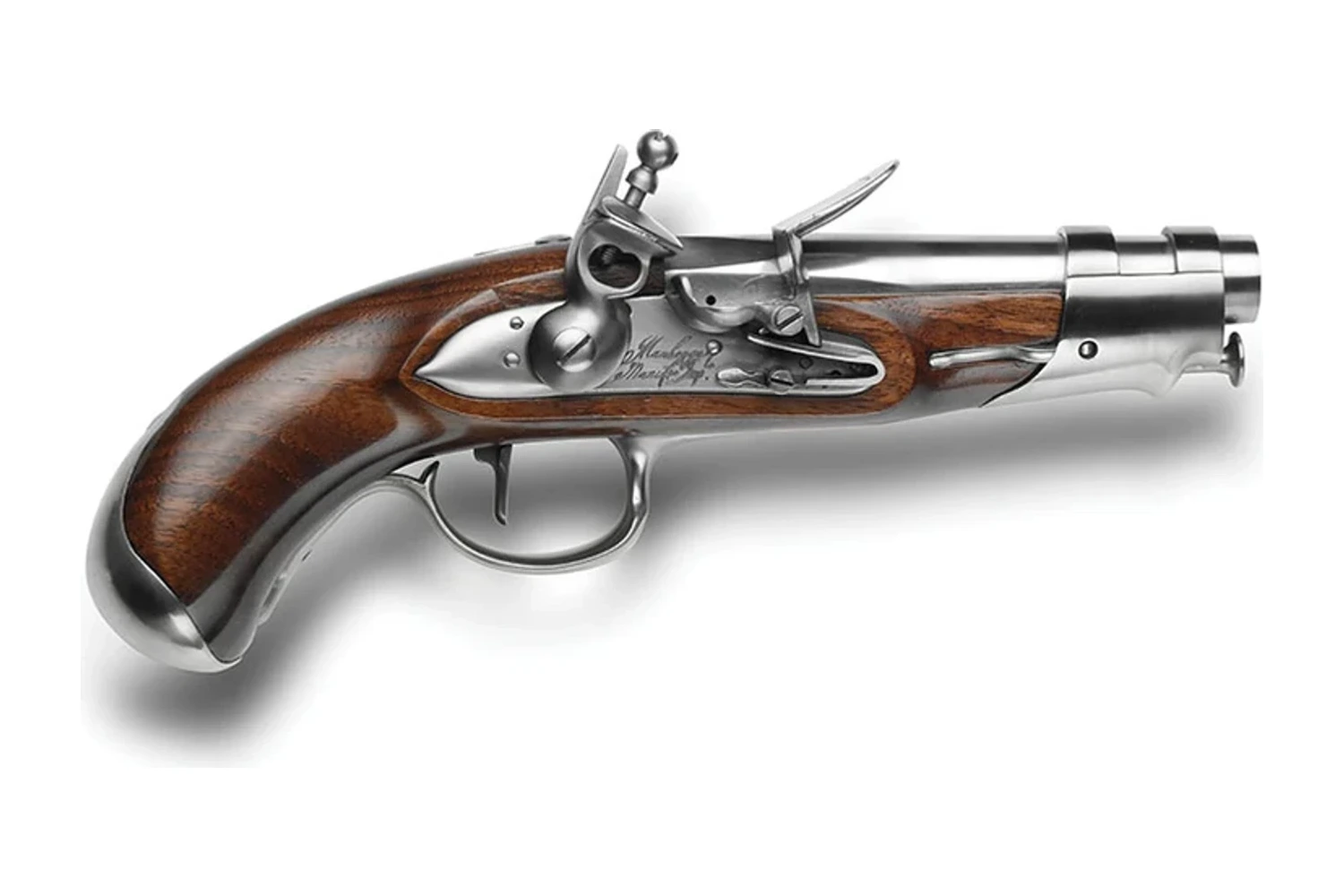
An IX de Gendarmerie
The small An IX version, made in pairs until 1819 exclusively by the Imperial Manufactory at Maubeuge, 32,000 pairs in all. Although intended for the gendarmerie, it was also carried by infantry officers. Flintlock, 125 mm barrel.
Calibre
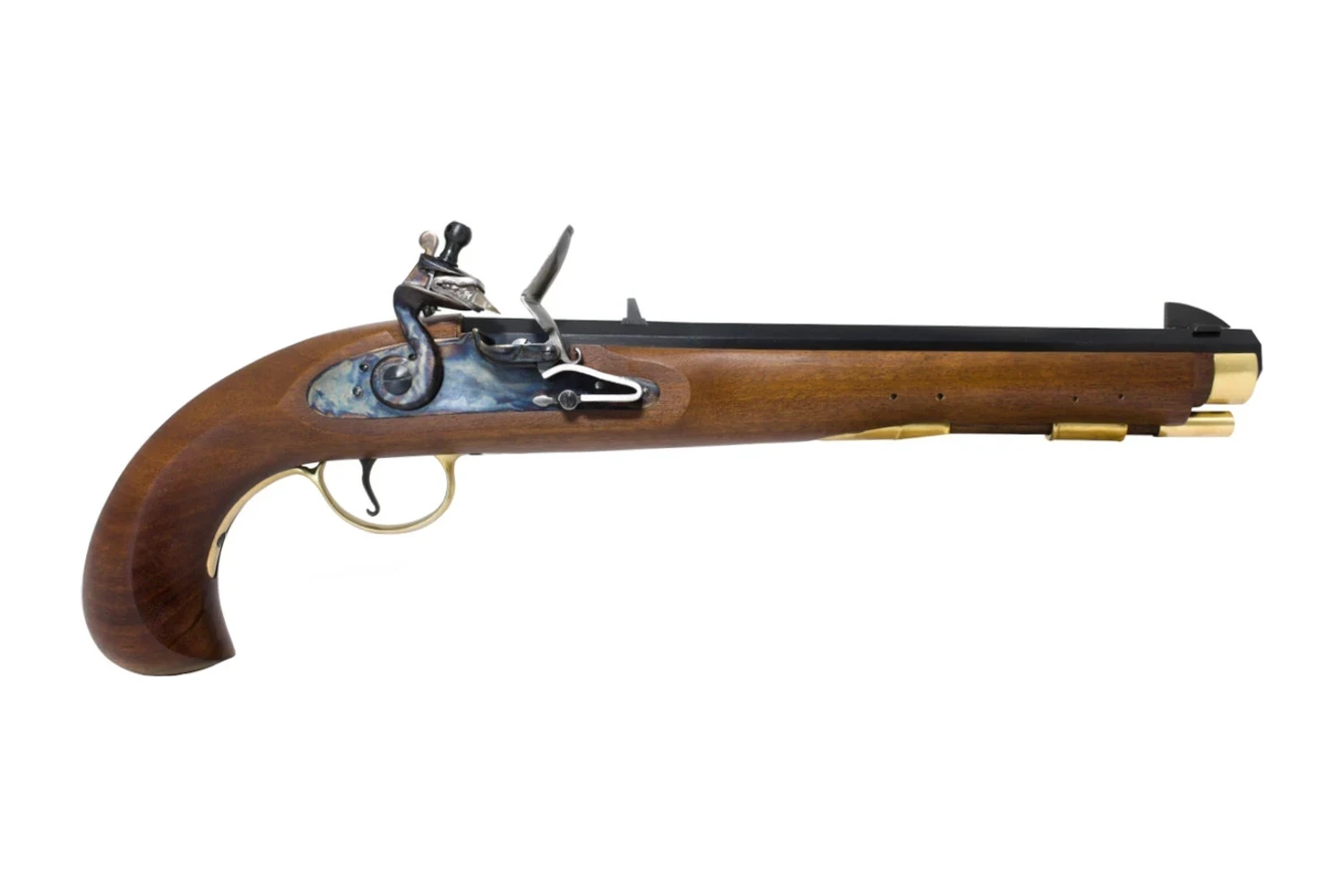
Kentucky Pistol
The classic American pistol of the War of Independence and the pioneers. It has a blued-steel rifled octagonal barrel and a walnut stock. Flintlock, 264 mm barrel and twelve grooves with 1:18 twist.
Calibre
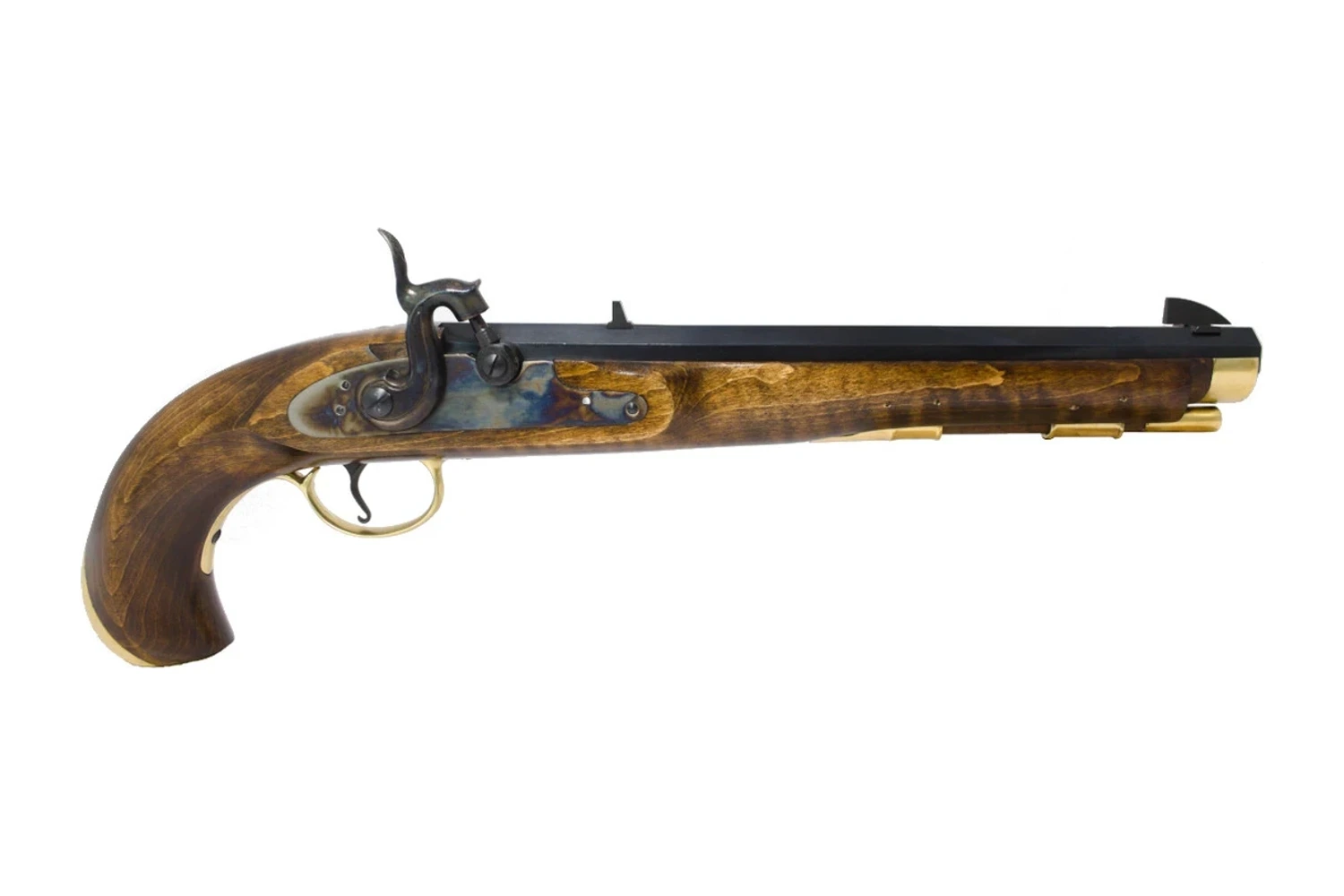
Navy Moll
Maple stock stained and finished according to the formulas used by American gunmakers in the late eighteenth and early nineteenth centuries, blued-steel barrel, colour-case lock and brass butt plate. Percussion, 264 mm barrel with twelve grooves.
Calibre
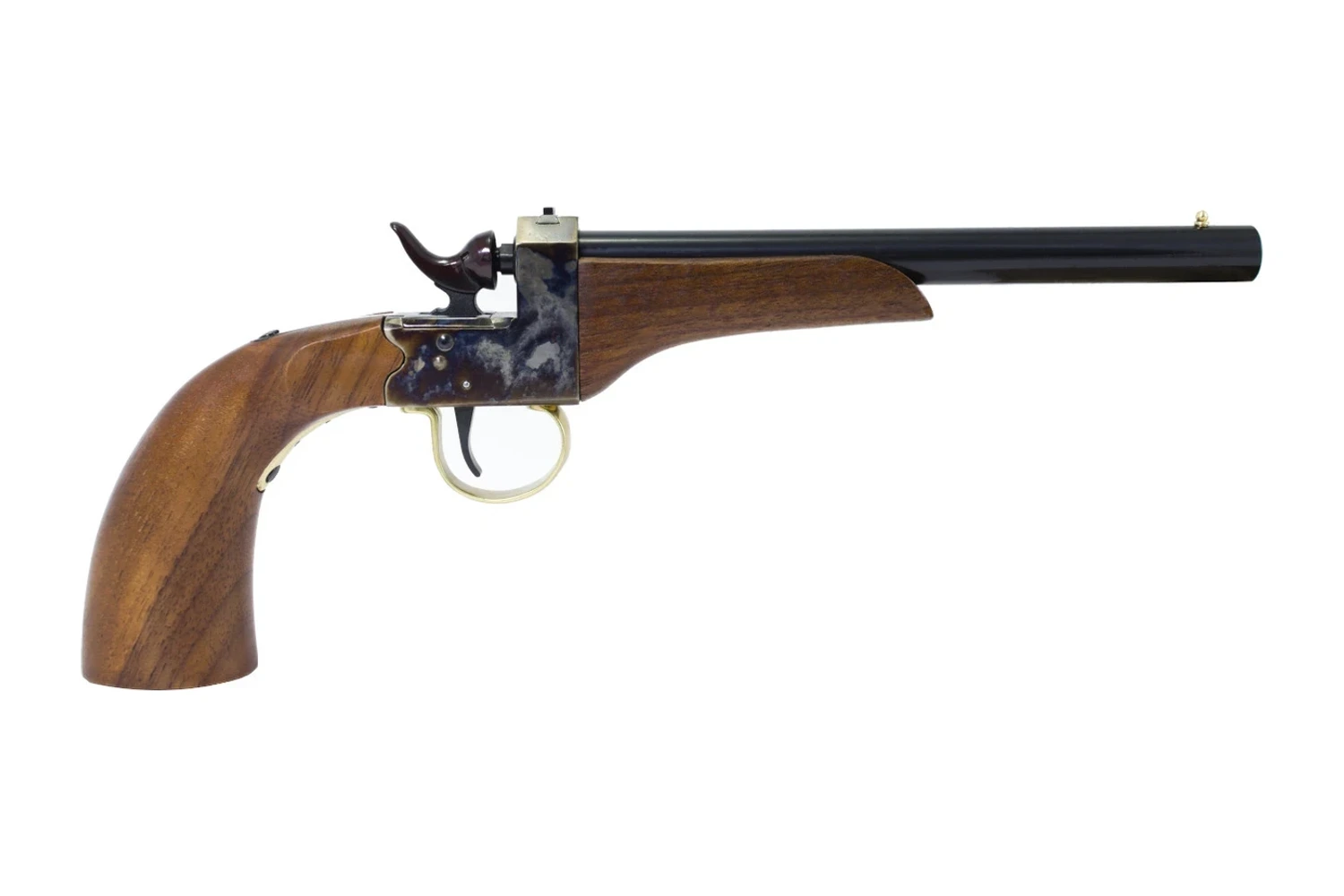
Saloon
Copy of a Belgian pistol with the nipple positioned to provide very fast ignition. The frame and hammer are colour-case hardened, with front and rear sights. The 185 mm barrel has ten grooves and 1:10 twist.
Calibre
Muzzleloading revolvers
Available in two finishes.
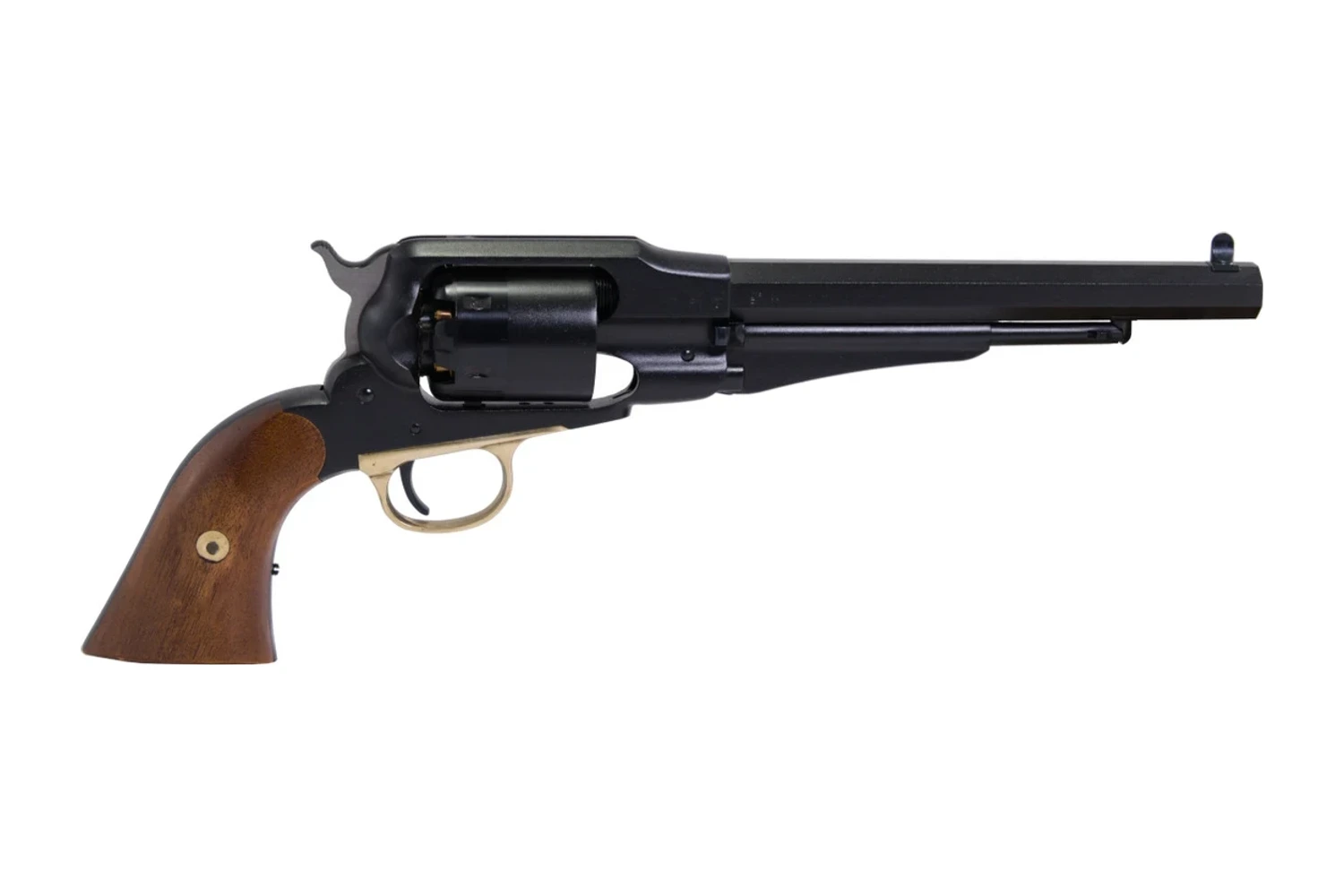
Remington Pattern «Pedersoli Target»
A percussion revolver built on the Remington pattern in Pedersoli’s target version. It has a 200 mm barrel with seven grooves and 1:18 twist, and measures 350 mm overall. The maker loads it with a .454 round ball and supplies its own two-cavity mould for casting it.
Versions
Breechloading: metallic cartridges
Falling block, Rolling Block, Trapdoor and lever action.
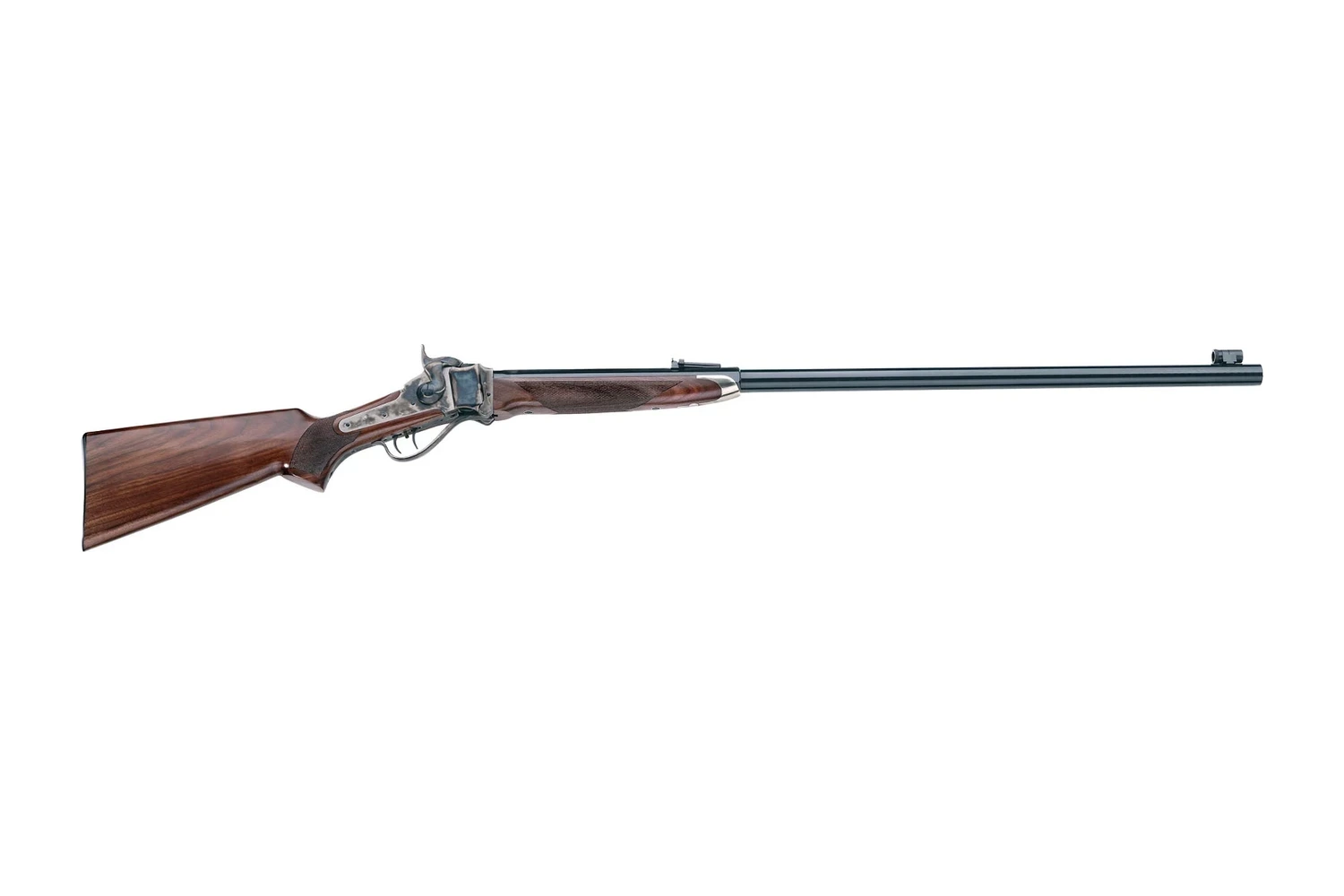
1874 Sharps Long Range 34"
The long-range Sharps, with an 864 mm barrel, six grooves and 1:18 twist. Like the other civilian 1874 models, it leaves the factory drilled and tapped for a Creedmoor peep sight and globe front sight.
Calibres
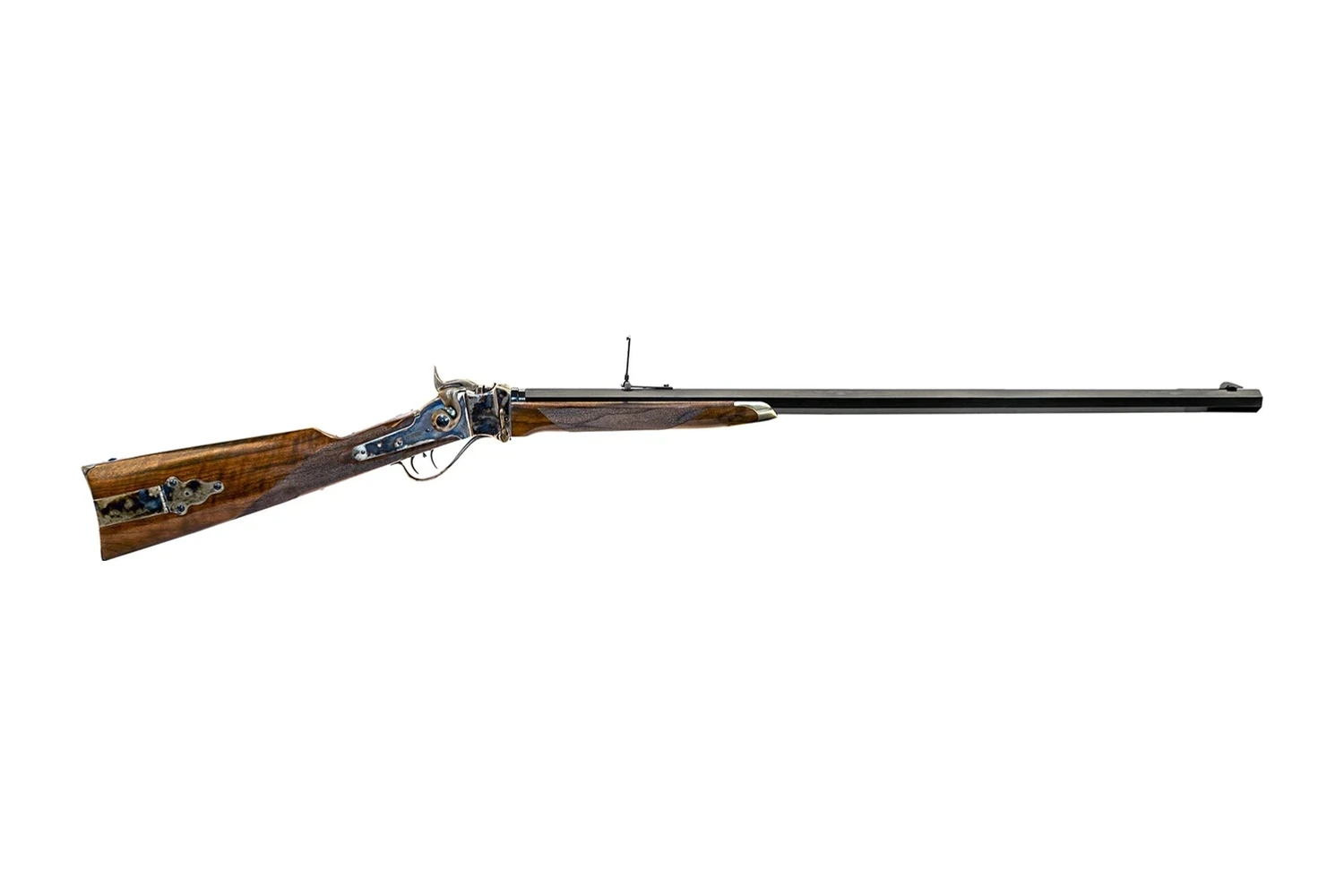
1874 Sharps «Q» Down Under Sporting 34"
The long-barrel Sporting version, with an 864 mm barrel, six grooves and 1:18 twist. It is the model offered in the widest range of calibres in the catalogue, from .45-70 to .45-120.
Calibres
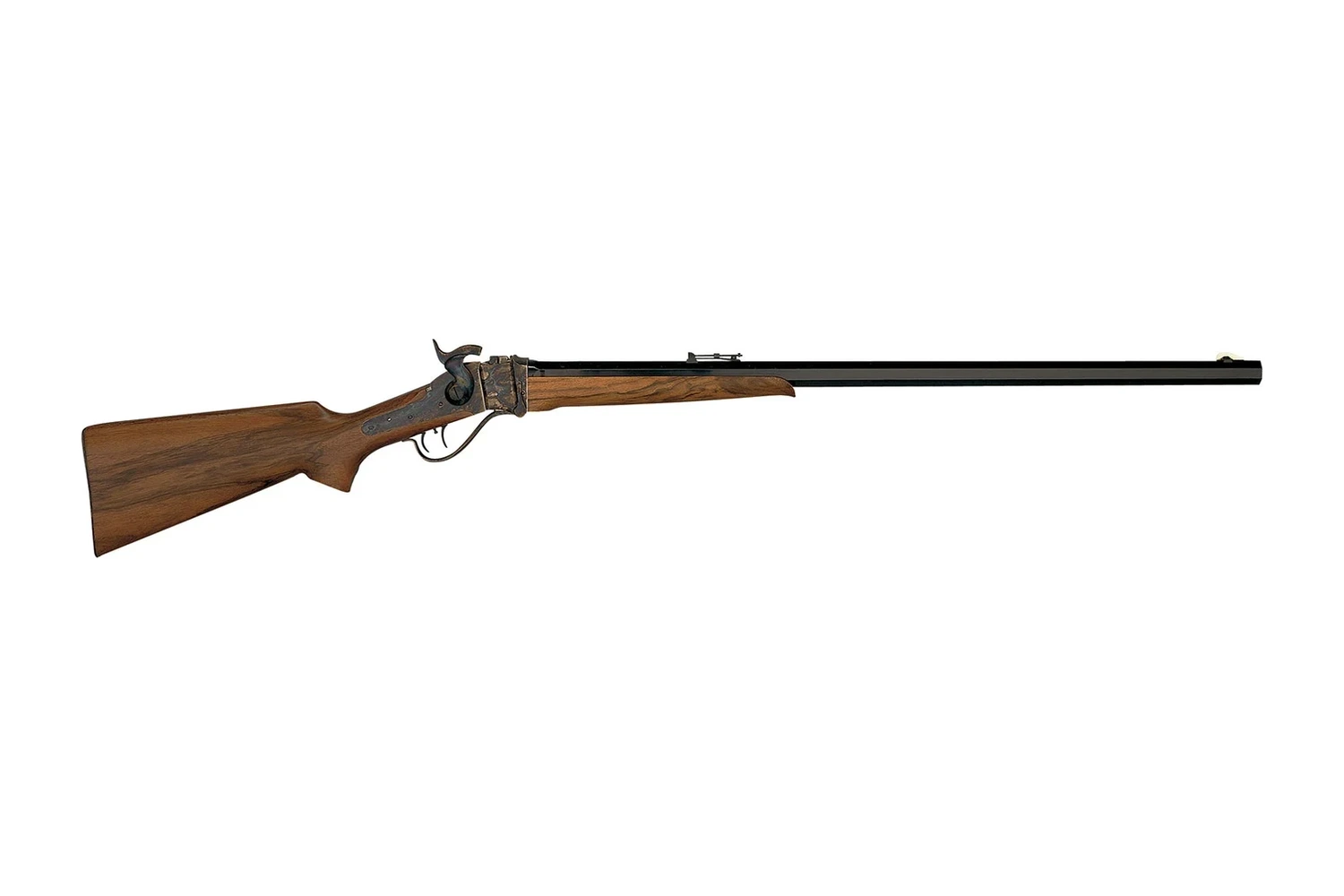
1874 Sharps Silhouette 32"
Metallic-silhouette configuration, 813 mm barrel, six grooves, 1:18.
Calibre
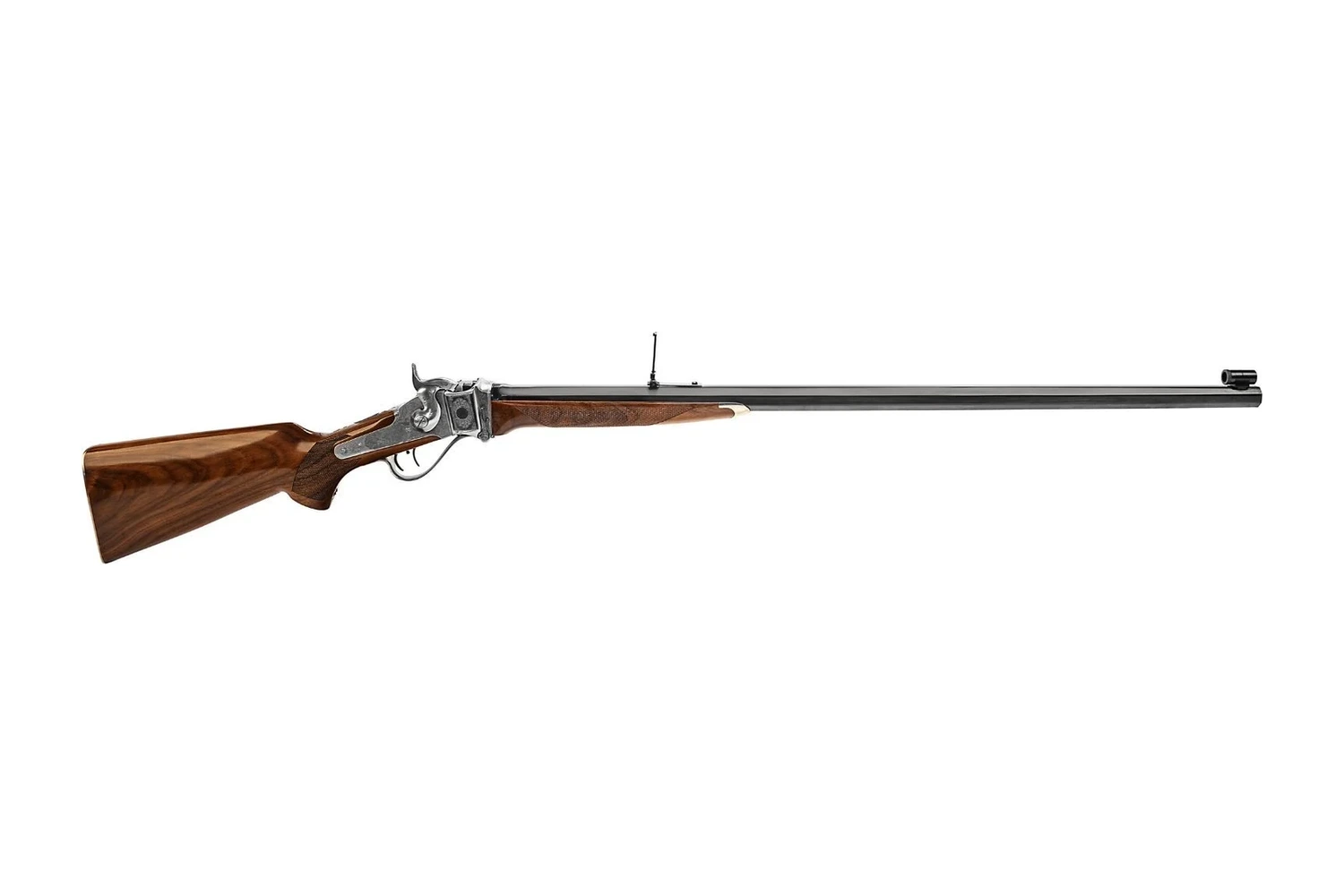
1874 Sharps Silhouette LX
The LX variant of the 1874 Sharps Silhouette: a separate maker’s reference with the same 813 mm barrel, six grooves and 1:18 twist.
Calibre
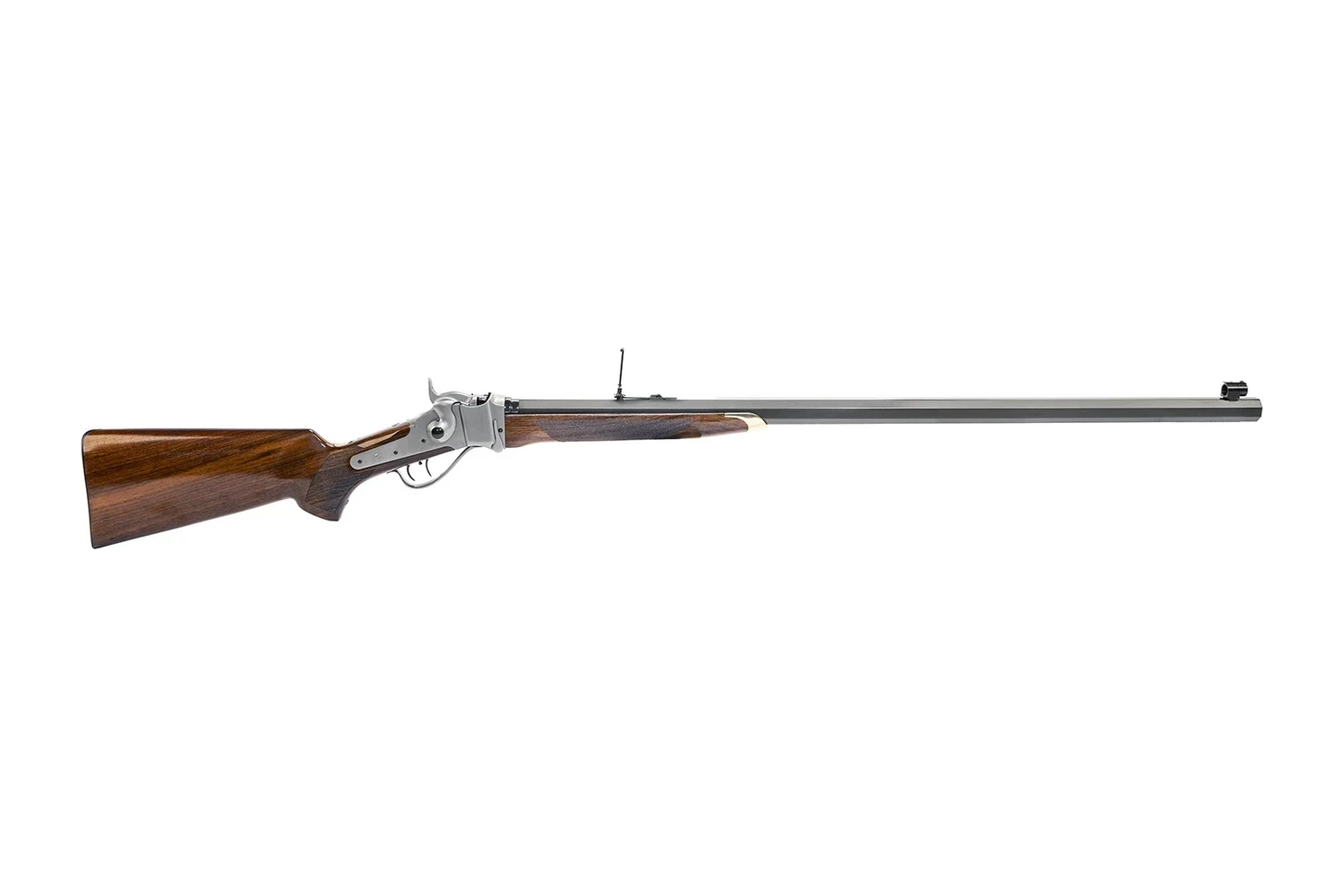
1874 Sharps Competition 34"
Competition configuration, 864 mm barrel, six grooves, 1:18.
Calibre
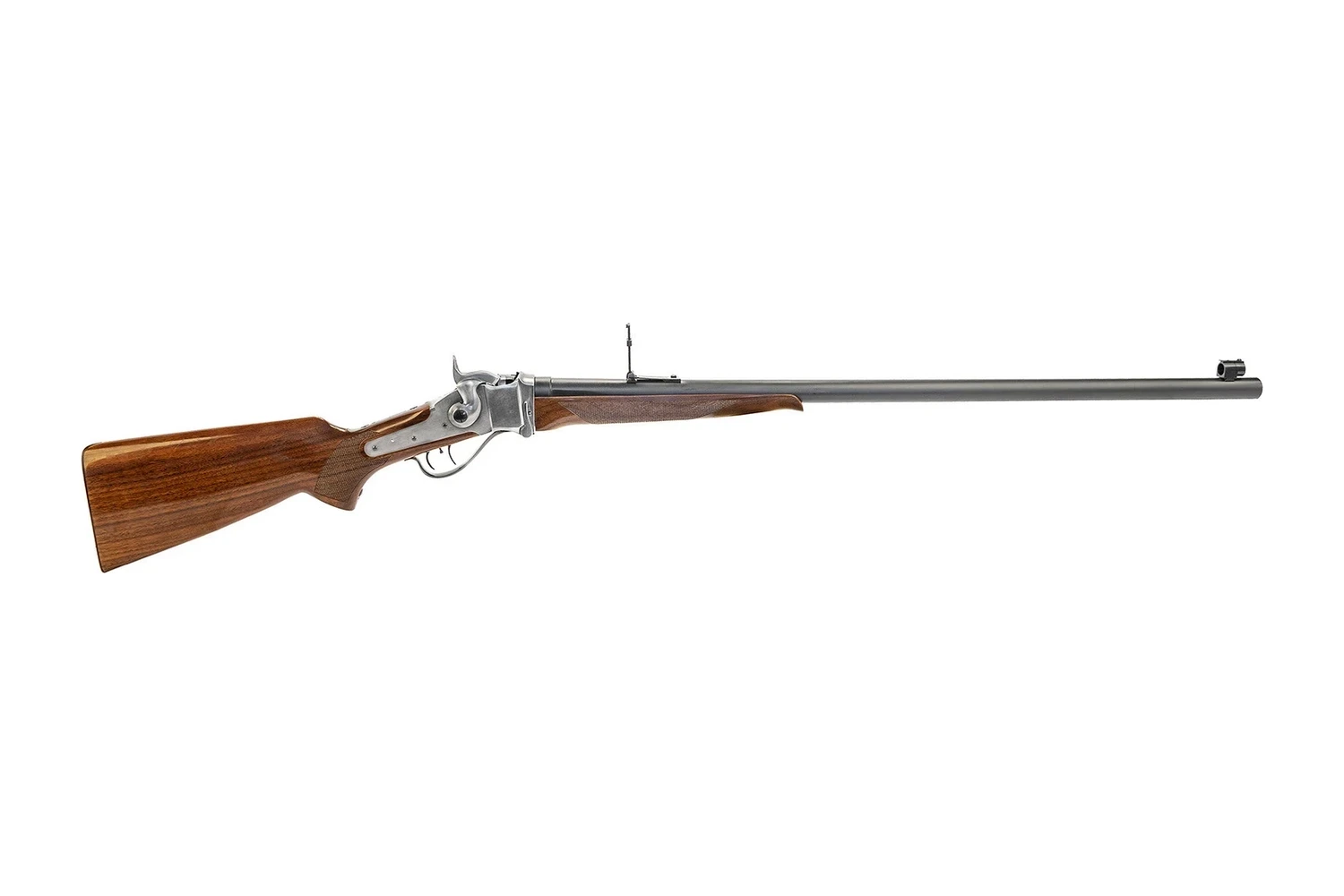
1874 Sharps Creedmoor N.2 30"
The 1874 Sharps Creedmoor N.2, with a 762 mm barrel, six grooves and 1:18 twist. It takes its name from the New York range where the nineteenth-century long-range matches were held.
Calibre
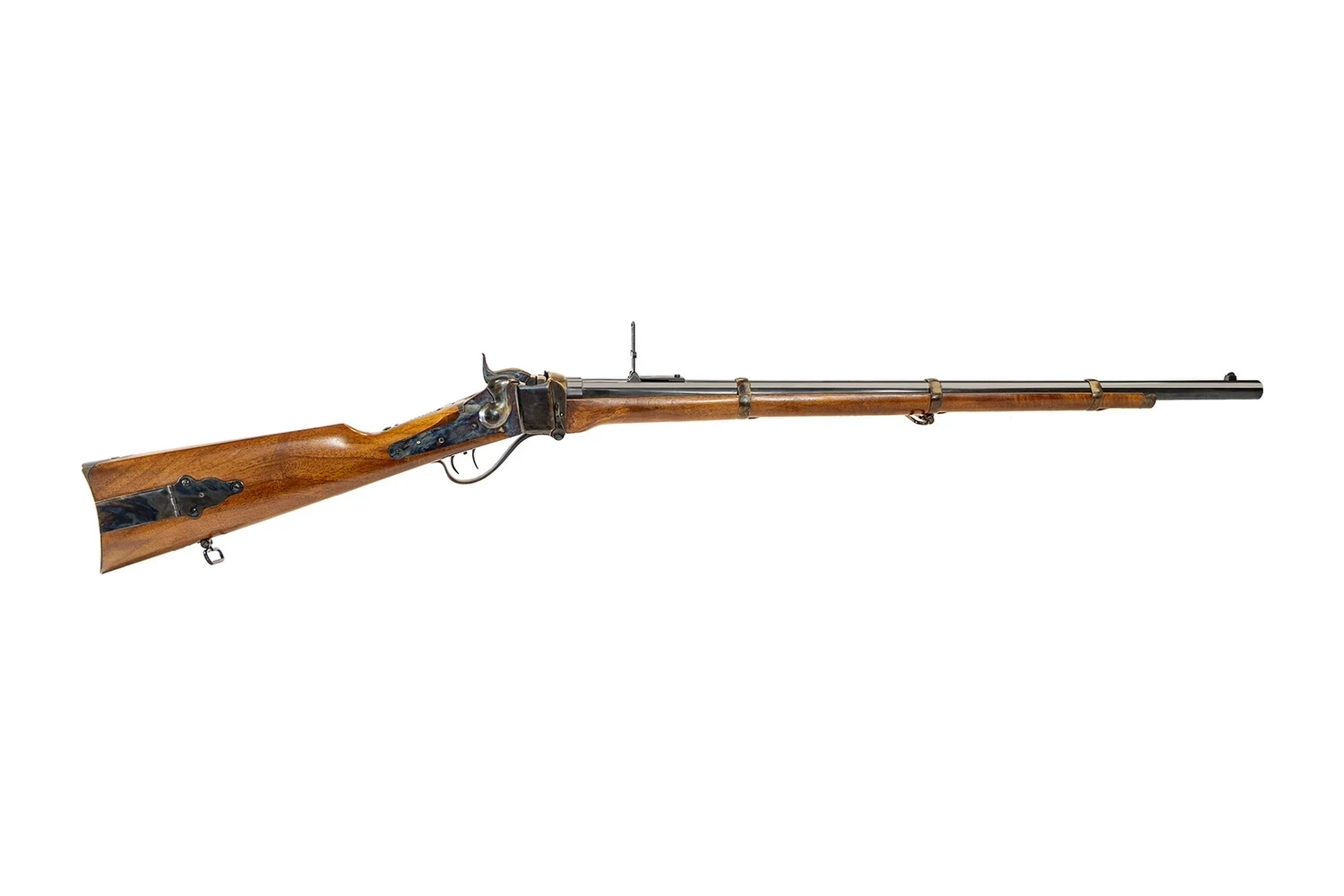
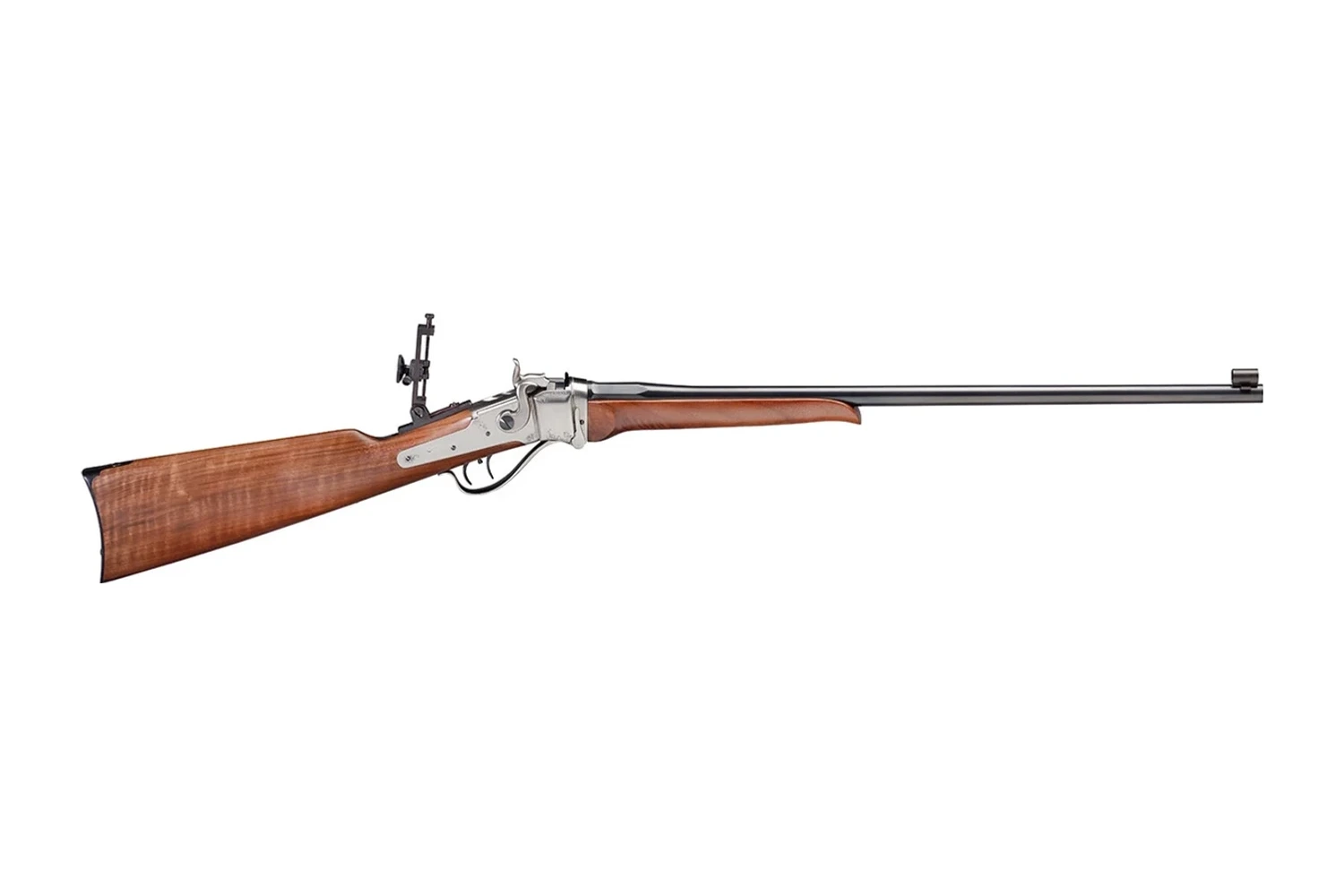
Sharps Little Betsy 24"
The reduced Sharps, with a 24-inch barrel. It is the only model in the family that the maker also offers in small calibres; the version distributed here is in .30-30 Winchester.
Calibre
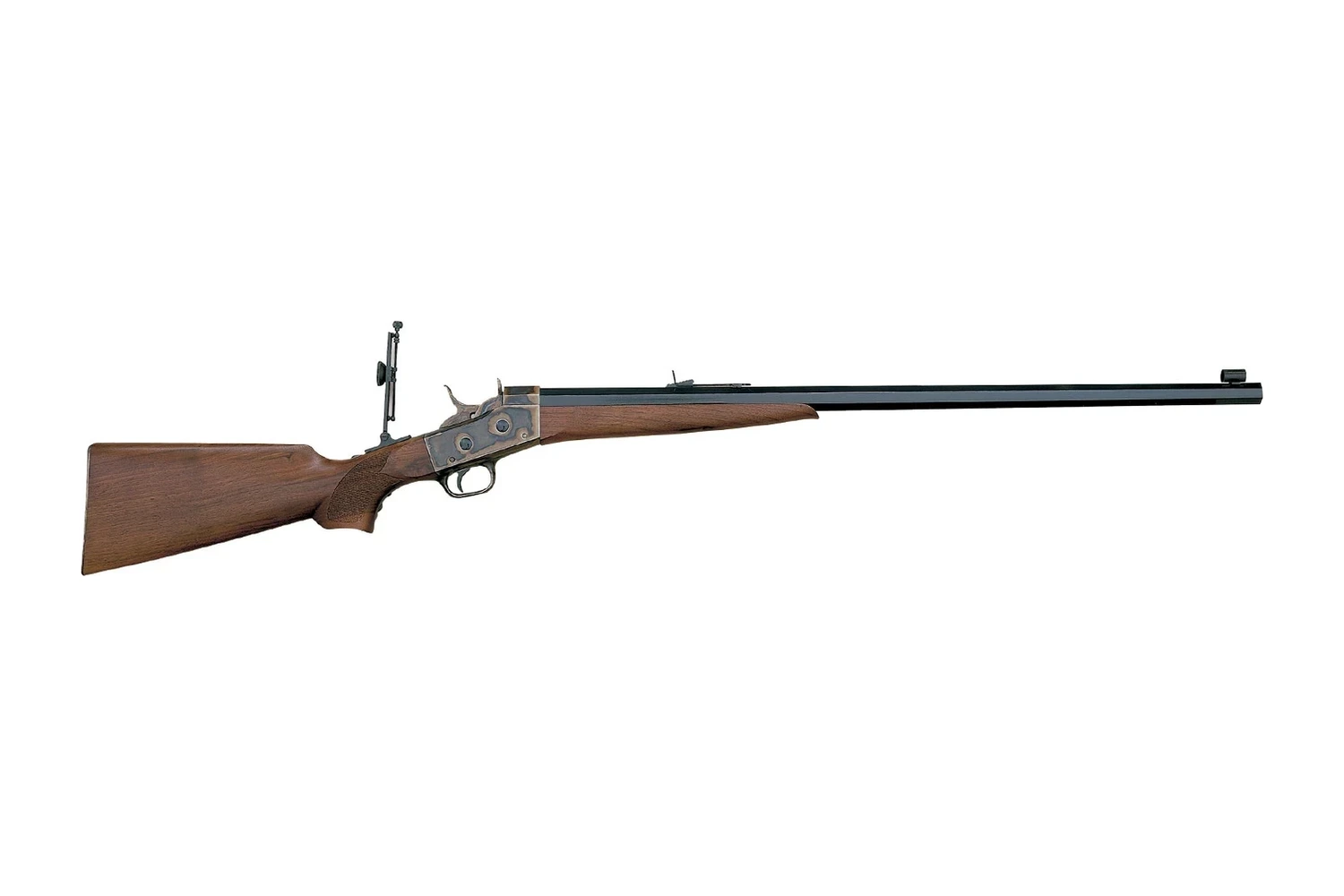
Rolling Block Long Range Creedmoor 30"
Period rival to Sharps with exceptionally secure action: 762 mm, six grooves, 1:18, prepared for Creedmoor peep/globe.
Calibre
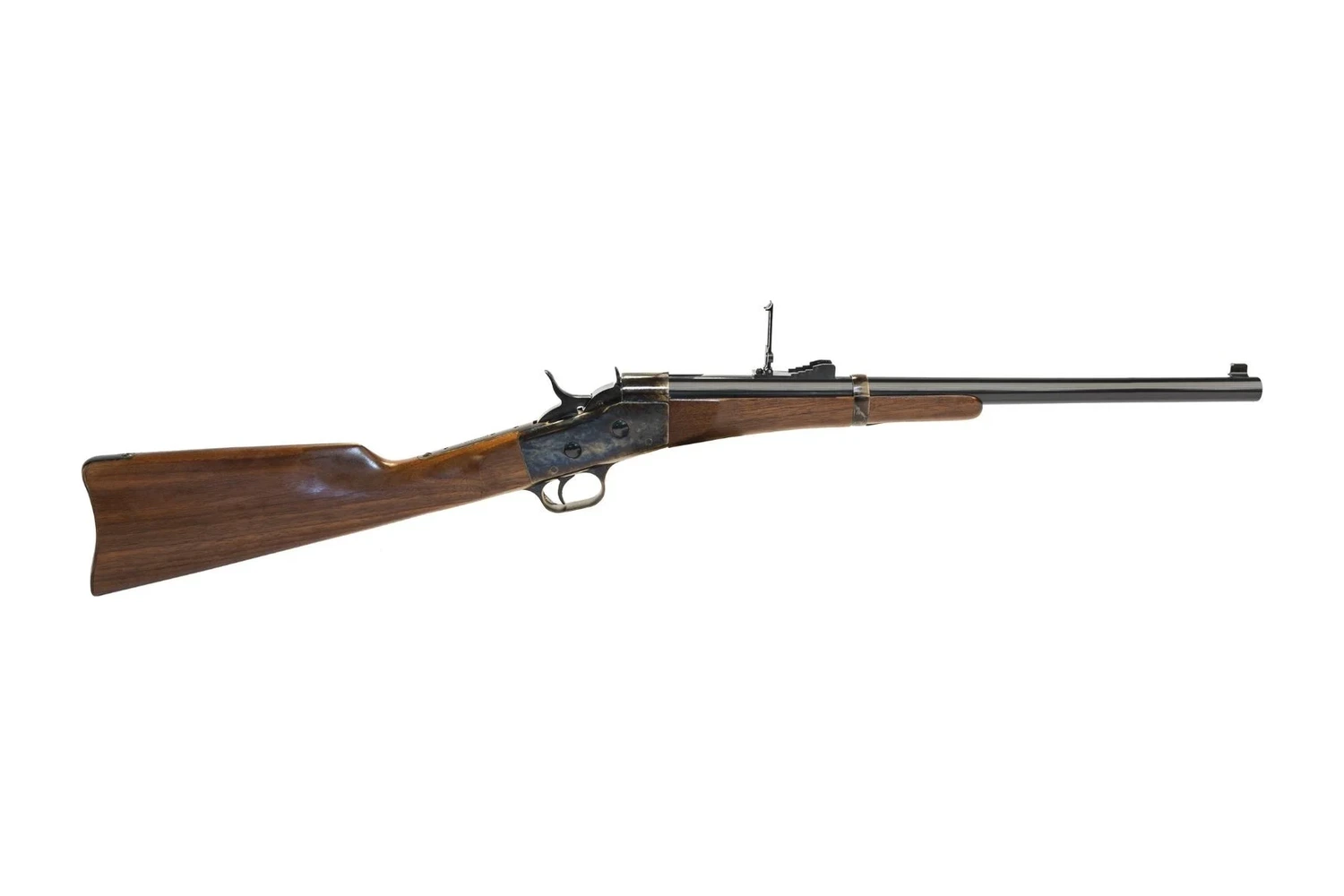
Rolling Block Baby Carabine 20"
Short Rolling Block carbine: 508 mm barrel, six grooves, 1:16.
Calibre
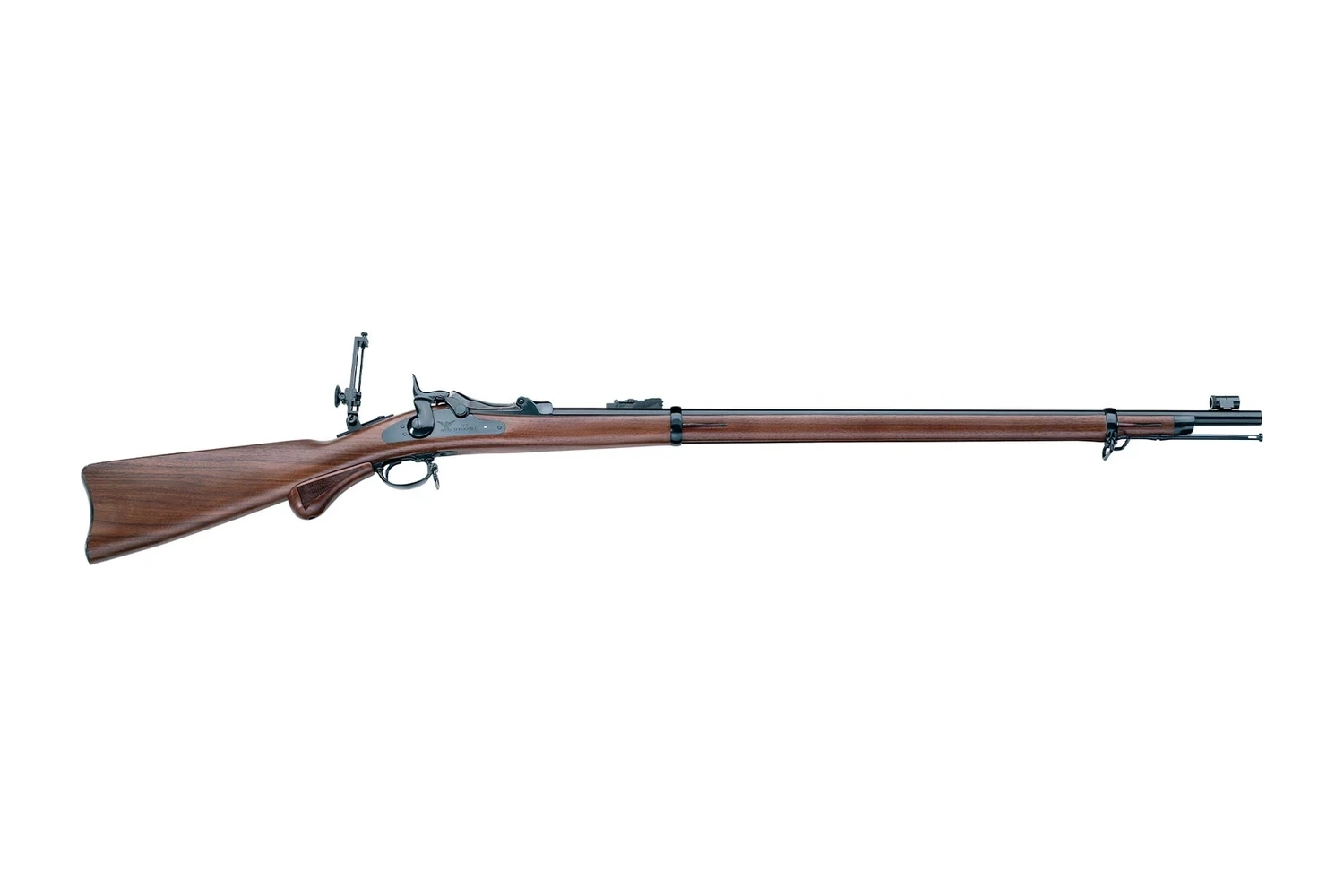
Springfield Trapdoor Long Range 32"
The Trapdoor began with Allin’s 1868 conversion of the Springfield muzzleloading musket, and the .45-70 standardised it in 1873. This long-range version has an 828 mm barrel, six grooves and 1:18 twist.
Calibre
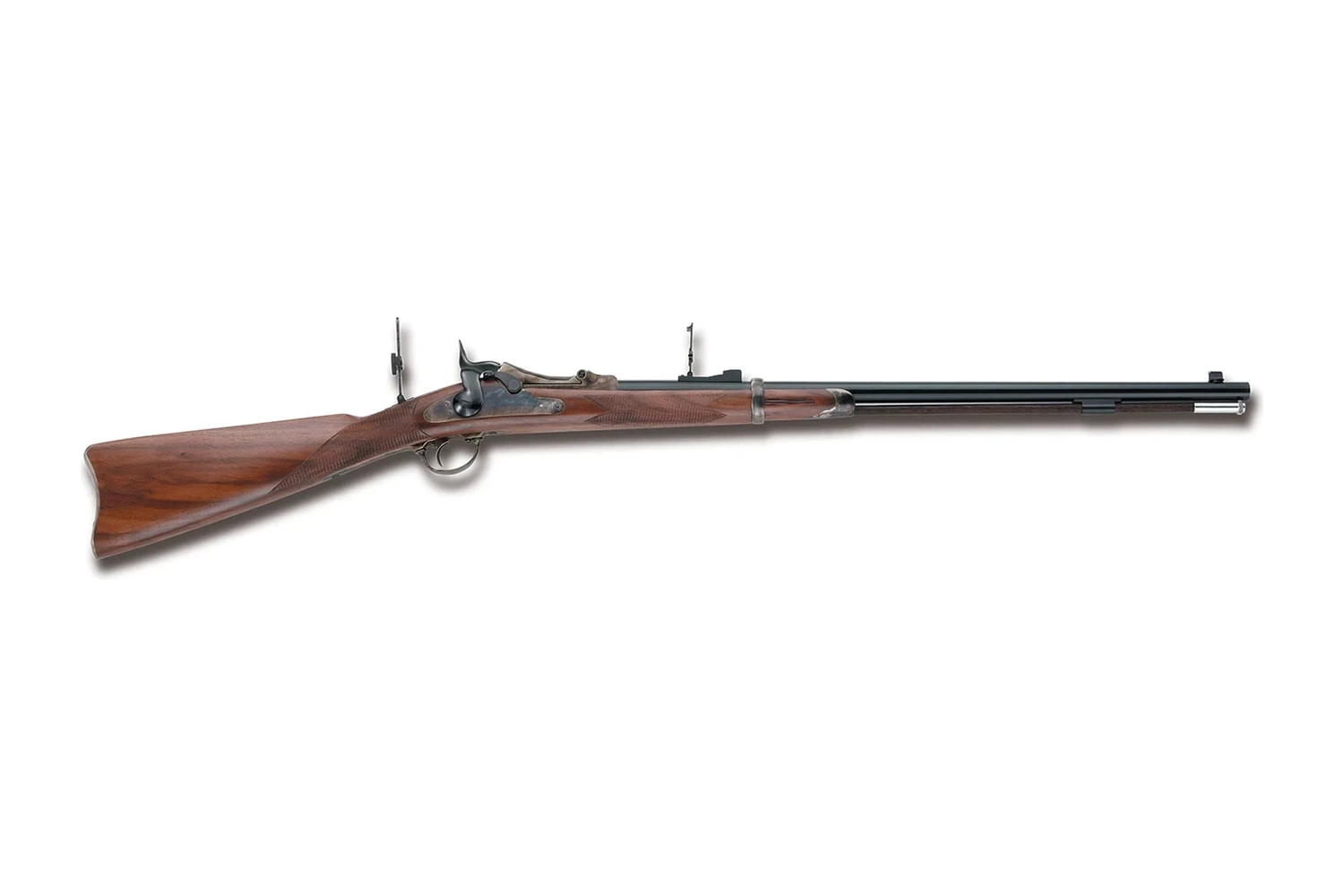
Springfield Trapdoor Officer 26"
Short officer version: 660 mm barrel, six grooves, 1:18.
Calibre
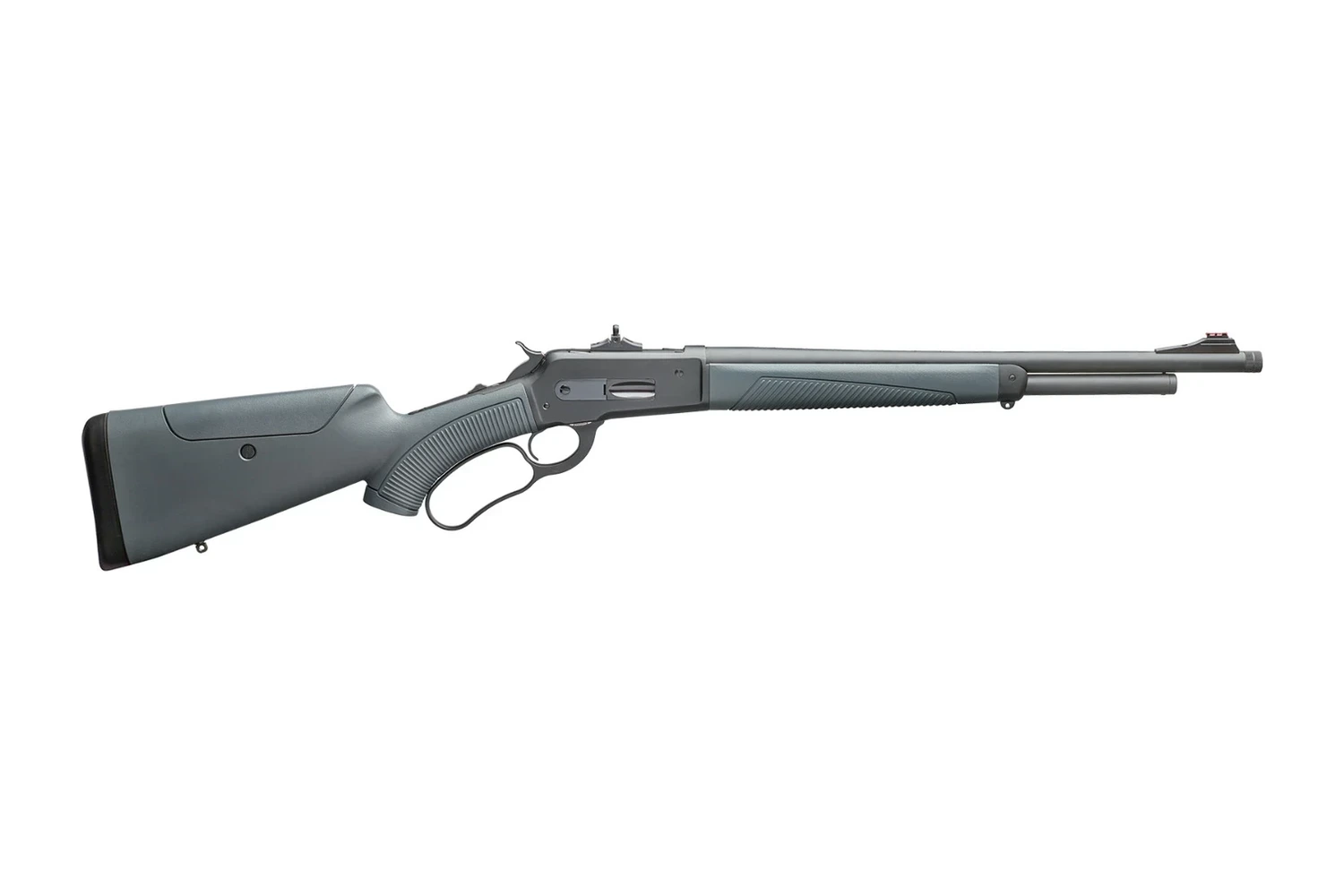
86/71 Lever Action Boarbuster Shadow
The latest generation of the maker’s lever-action rifle: revised stock profile, enlarged loading loop, water-resistant finishes and a barrel prepared for stabilisation systems and modern optics. The barrel is 483 mm long, with six grooves and 1:18 twist.
Calibre
Loading and cleaning
The U.S.A. —Universal Special Accessories— line made by Pedersoli’s accessory company.
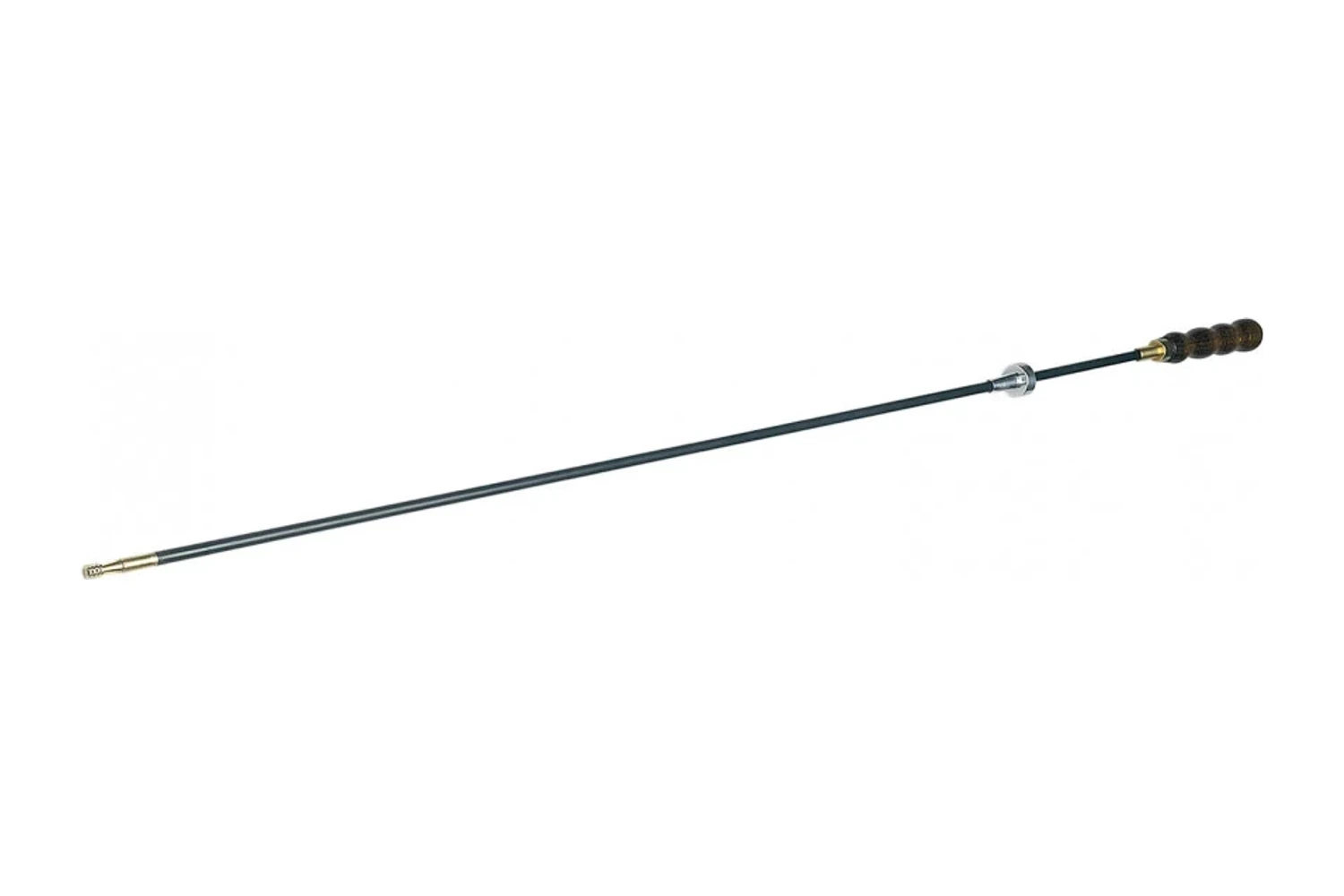
Fibreglass rifle rods
Fibreglass cleaning rods, one diameter for each calibre group: Ø7 for small bores, Ø9 for medium bores and Ø12 for musket calibres.
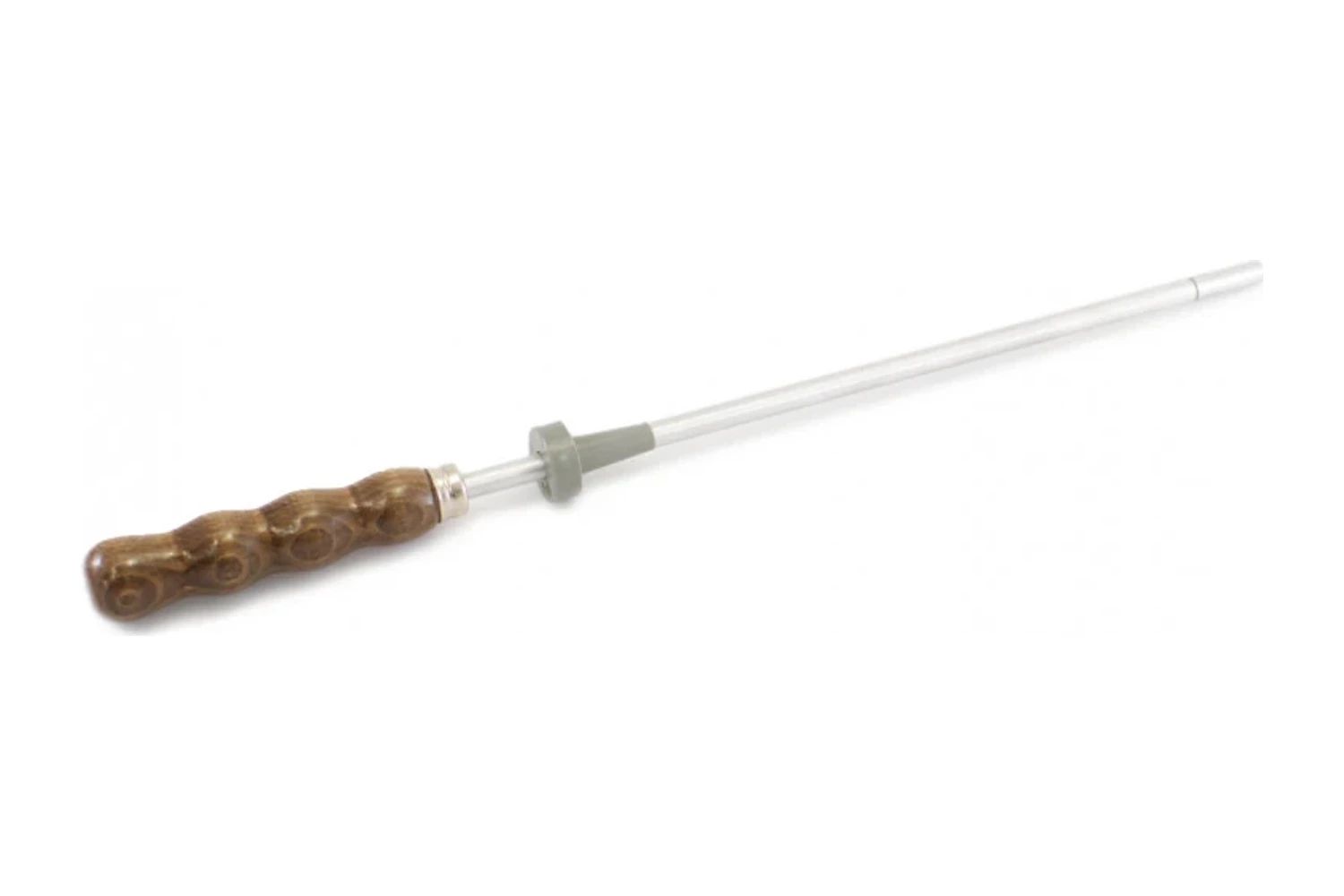
Aluminium pistol rods
Short 320 mm aluminium pistol rod in two diameters.
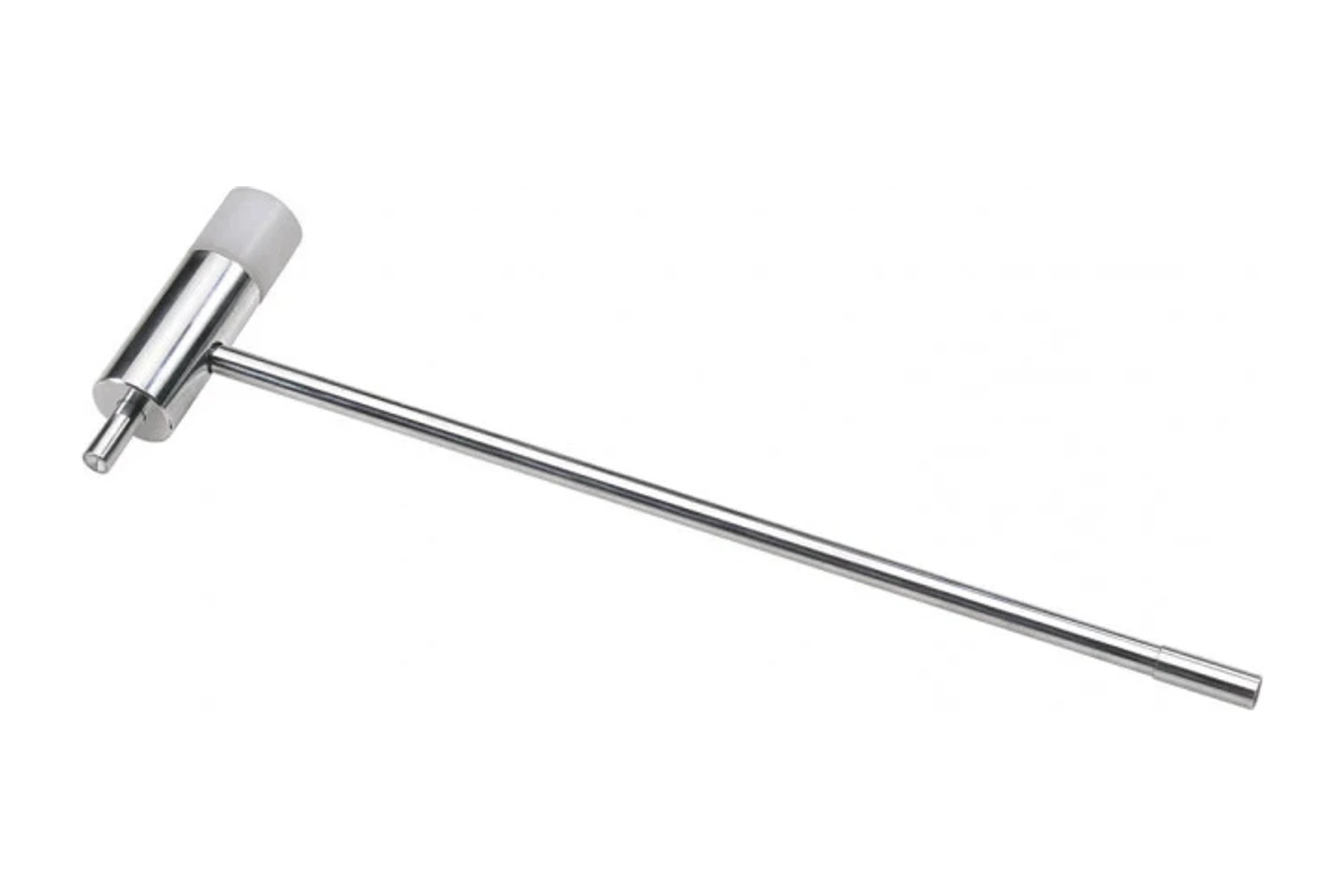
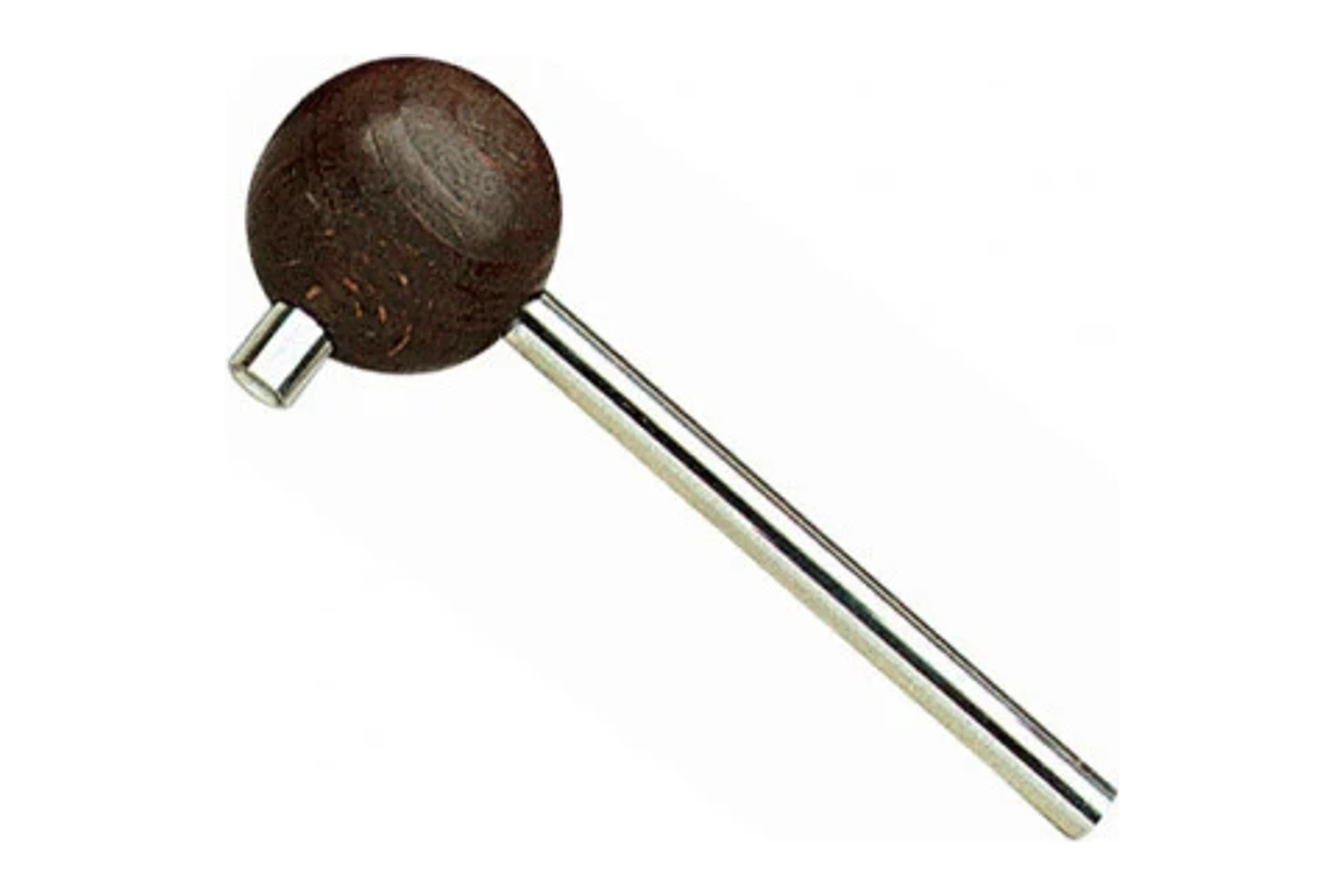
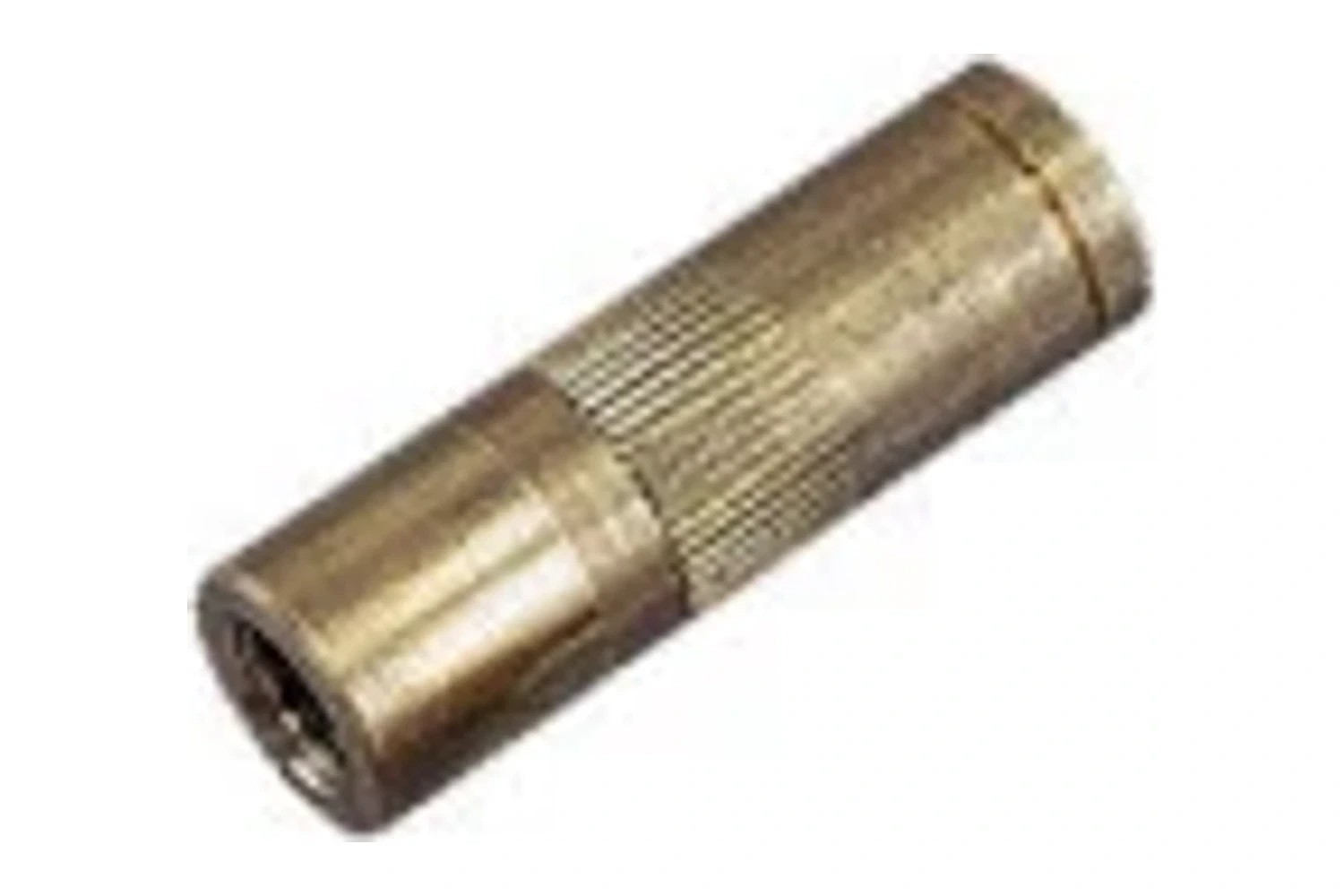
Thread adaptors
Brass adaptors between European metric threads and the American 10-32 thread, allowing accessories to be transferred from one cleaning rod to another.
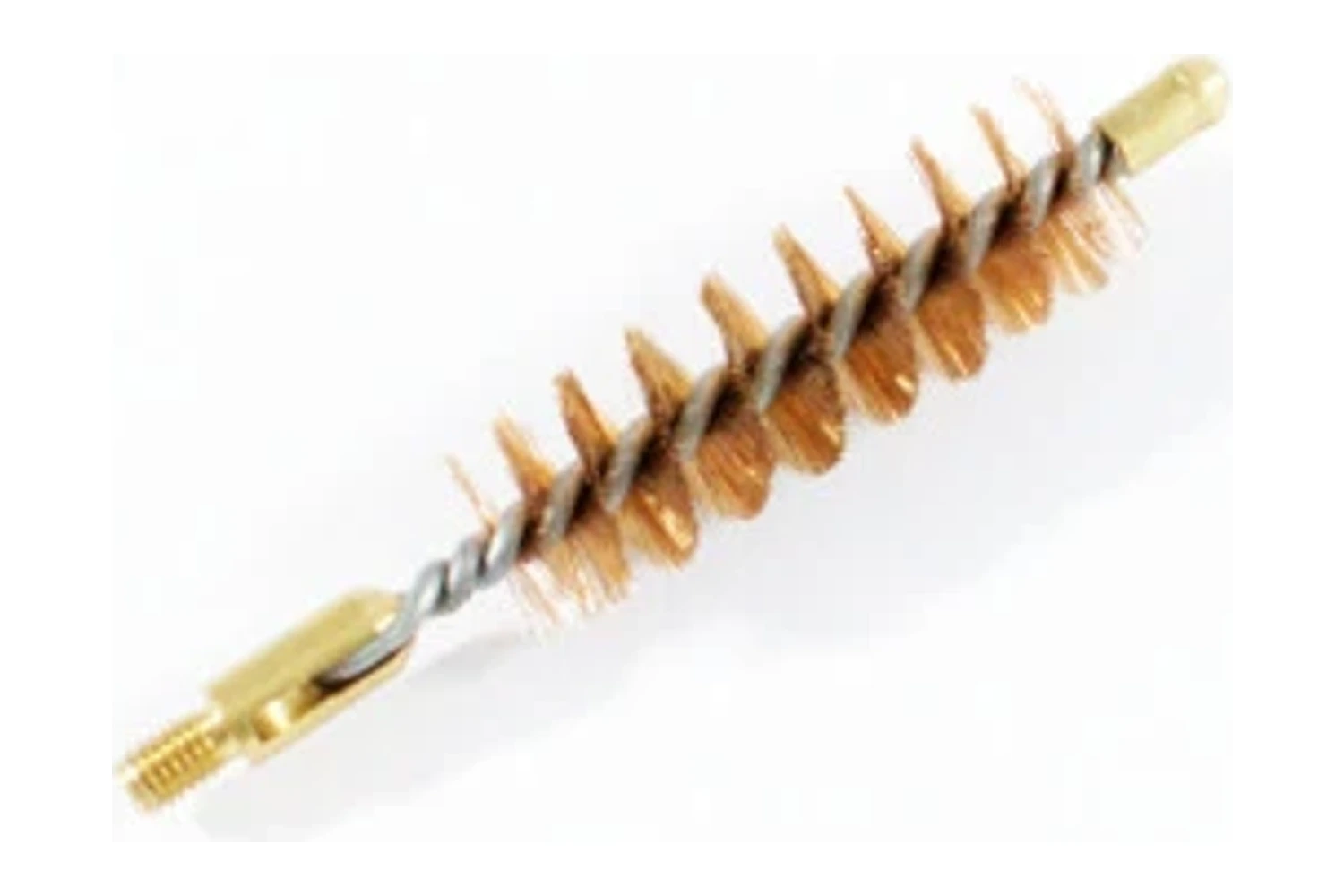
Cleaning brushes
Bore brushes in four materials —horsehair, bronze, brass and wool— with a 10-32 male or 5MA female thread and one body for each calibre group. Three-piece sets contain one brush in each material.
Materials and calibres
- Horsehair · male · .31–.40
- Horsehair · male · .44–.50
- Horsehair · male · .54–.58
- Horsehair · male · .69–.75
- Bronze · male · .31–.40
- Bronze · male · .44–.50
- Bronze · male · .54–.58
- Bronze · male · .69–.75
- Bronze · female · .31–.40
- Bronze · female · .44–.50
- Brass · female · .31–.32
- Wool · male · .31–.40
- Wool · male · .44–.50
- Wool · male · .54–.58
- Wool · male · .69–.75
- Set of 3 · male · .31–.40
- Set of 3 · male · .44–.50
- Set of 3 · male · .54–.58
- Set of 3 · male · .69–.75
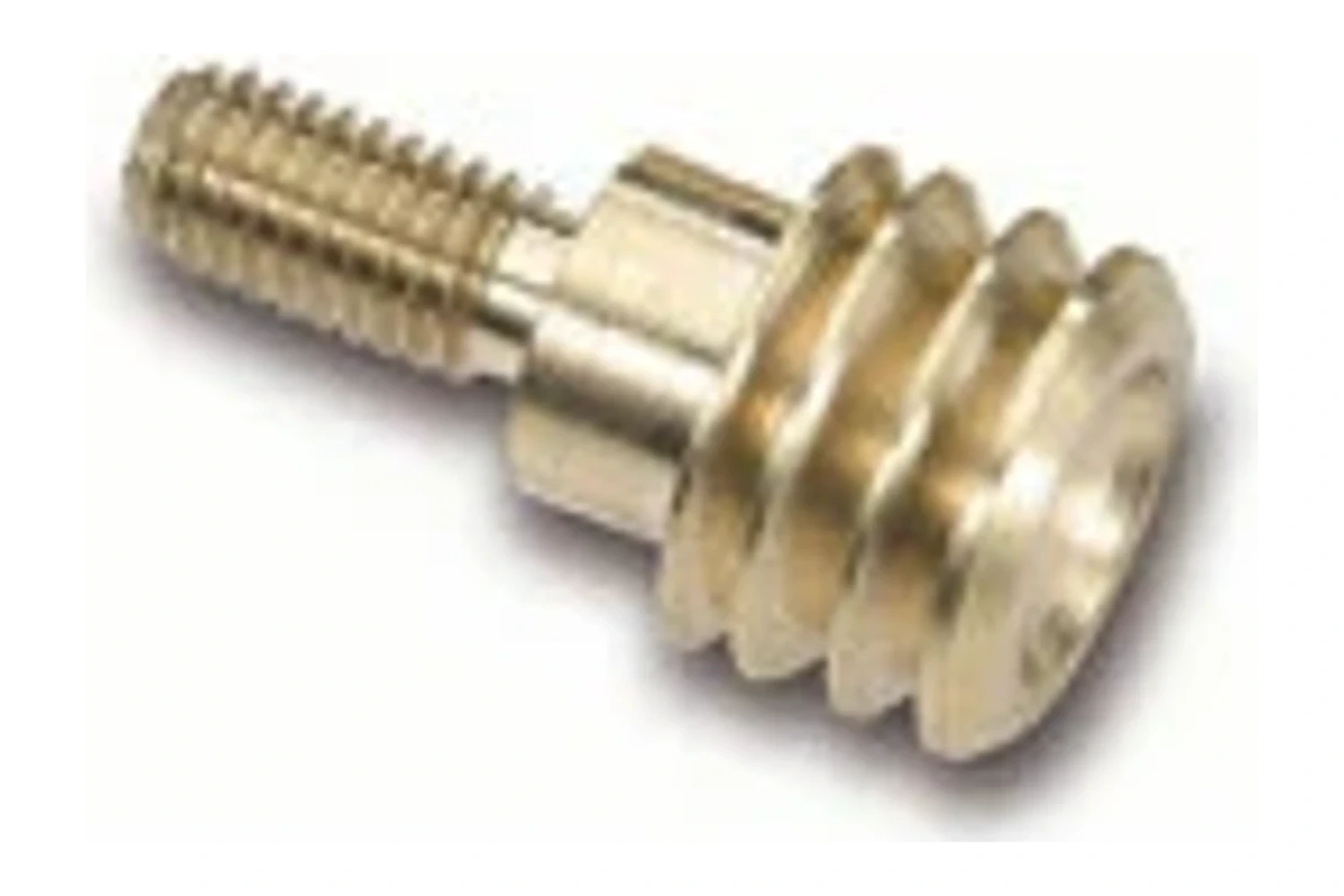
Jags and patch holders
Cleaning-rod tips for passing a patch through the bore, with male and female threads. The two slotted brass versions grip the patch through a slit rather than around a raised surface.
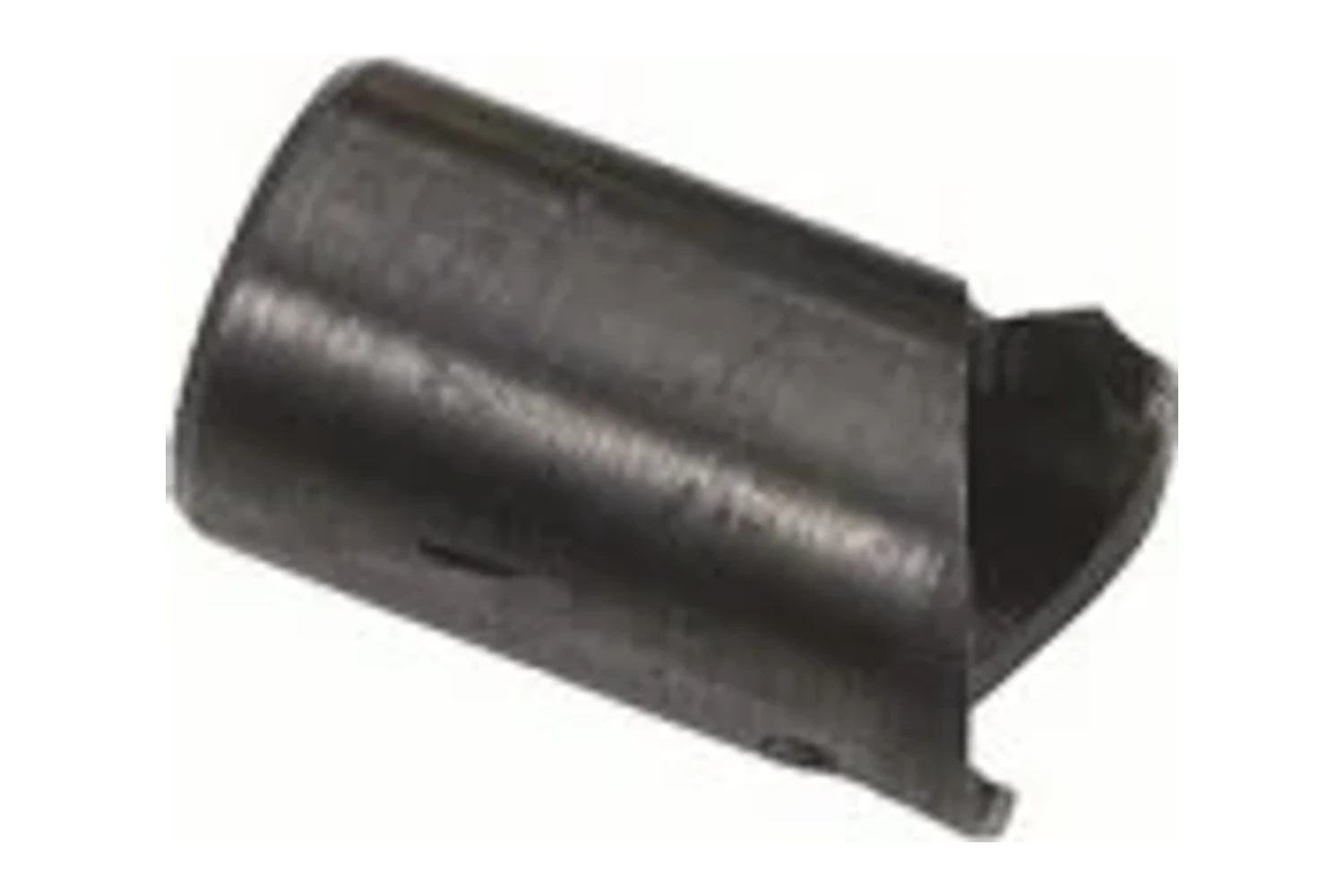
Patch pullers
Spiral extractors for a cloth, patch or wad lodged in the barrel.
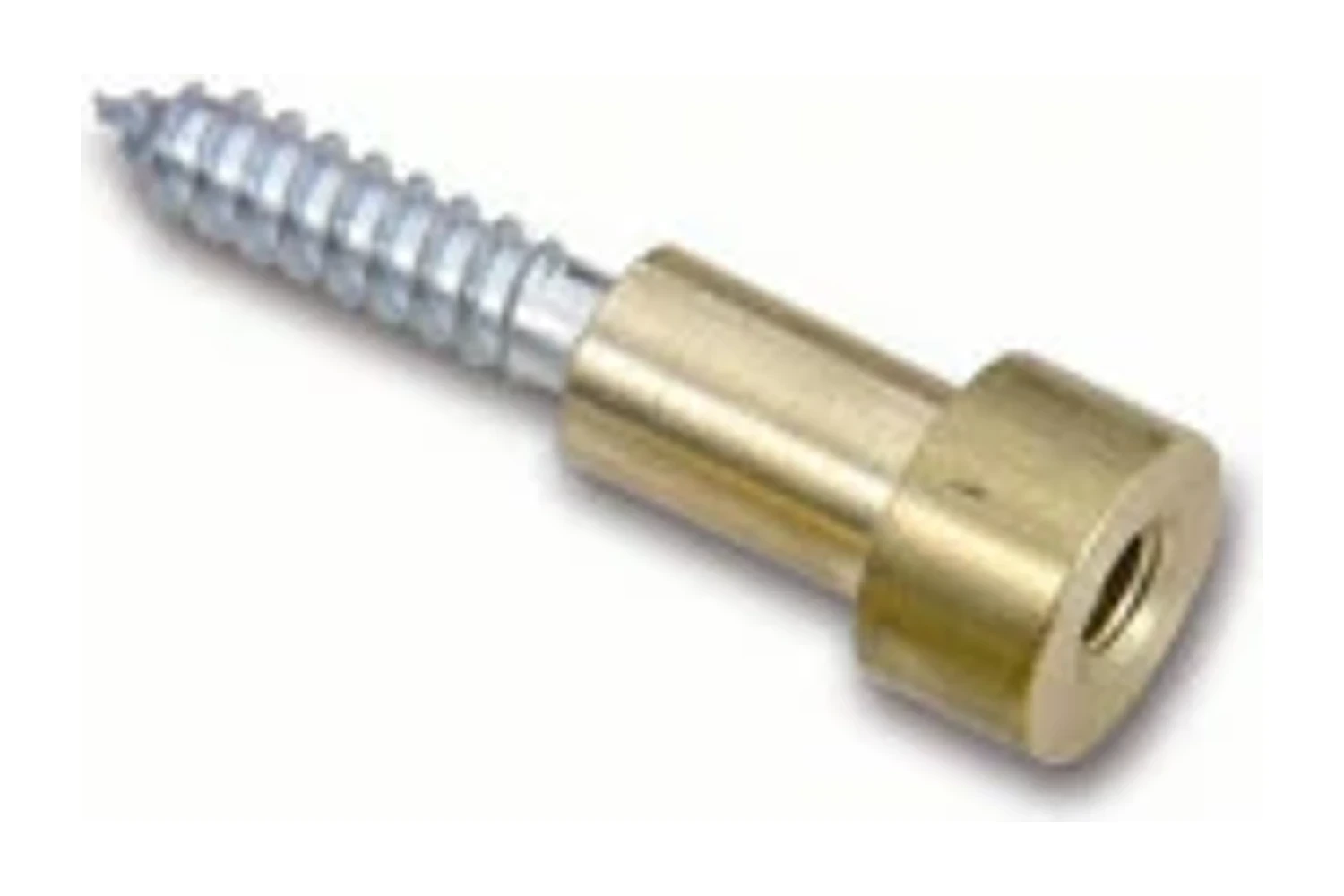
Bullet pullers
Corkscrew bullet puller screws to rod and bites lead to remove an unfired charge.
Threads and calibres
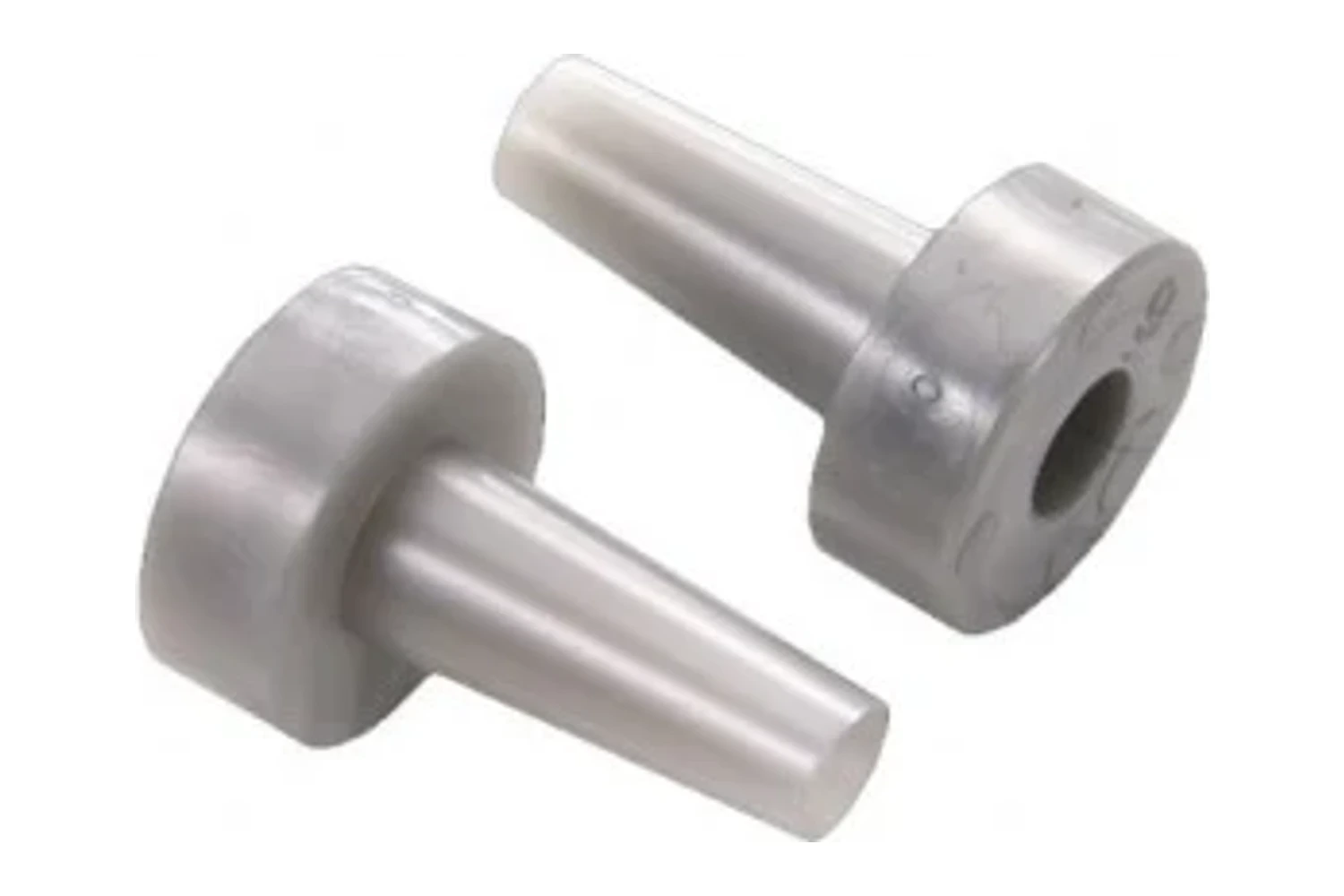
Muzzle protectors
Nylon or aluminium muzzle protectors prevent the rod rubbing the bore edge.
Materials and calibres
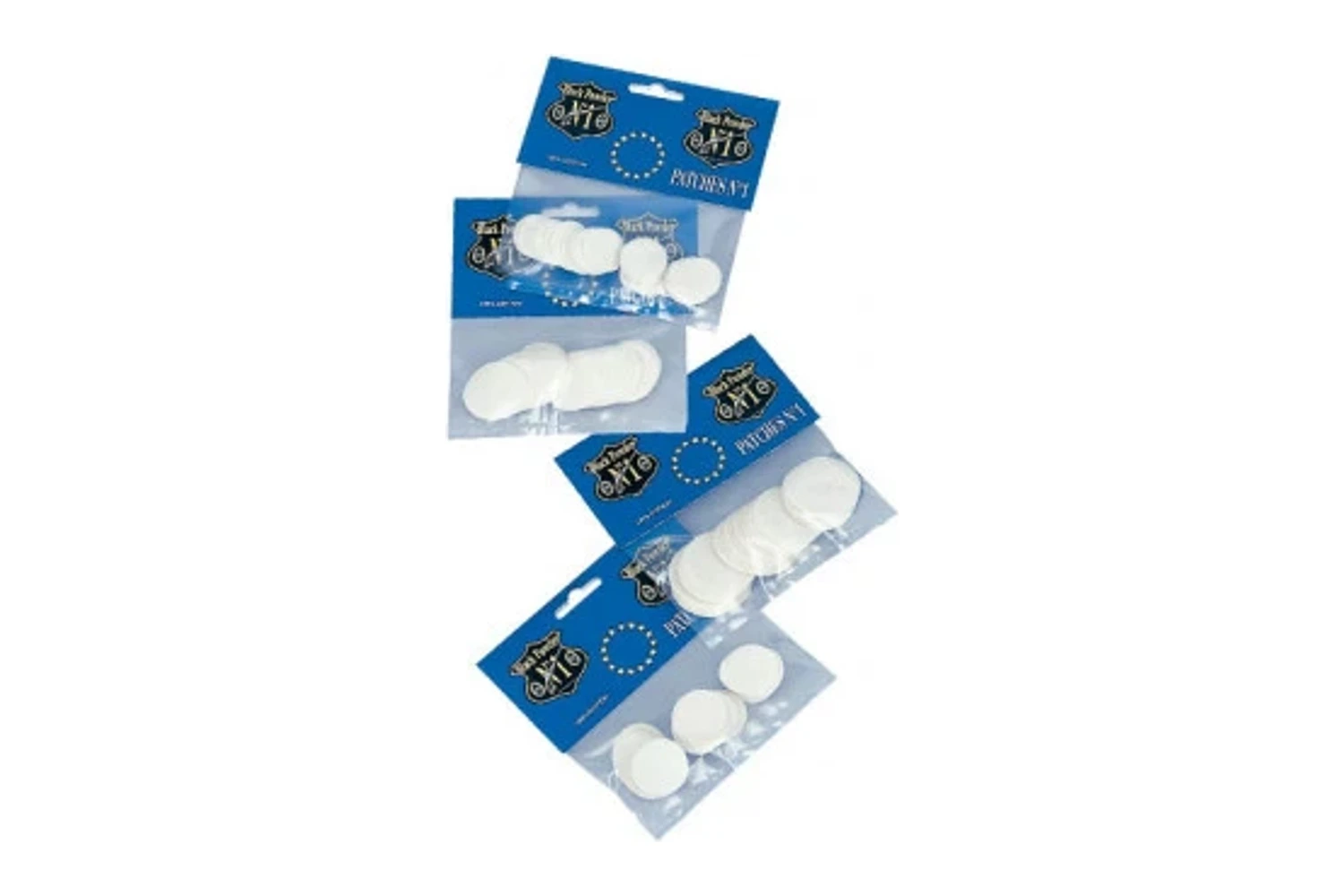
Patches
Cotton ball patches in six calibre groups and thicknesses from 0.12 to 0.42 mm.
Calibres and thicknesses
- .31 · 0,12 mm
- .31 · 0,18 mm
- .31 · 0,25 mm
- .36-.41 · 0,12 mm
- .36-.41 · 0,18 mm
- .36-.41 · 0,25 mm
- .45-.50 · 0,12 mm
- .45-.50 · 0,18 mm
- .45-.50 · 0,25 mm
- .54-.58 · 0,12 mm
- .54-.58 · 0,18 mm
- .54-.58 · 0,25 mm
- .62-.69 · 0,12 mm
- .62-.69 · 0,18 mm
- .62-.69 · 0,25 mm
- .75 · 0,12 mm
- .75 · 0,18 mm
- .75 · 0,25 mm
- .75 · 0,31 mm
- .75 · 0,38 mm
- .75 · 0,42 mm
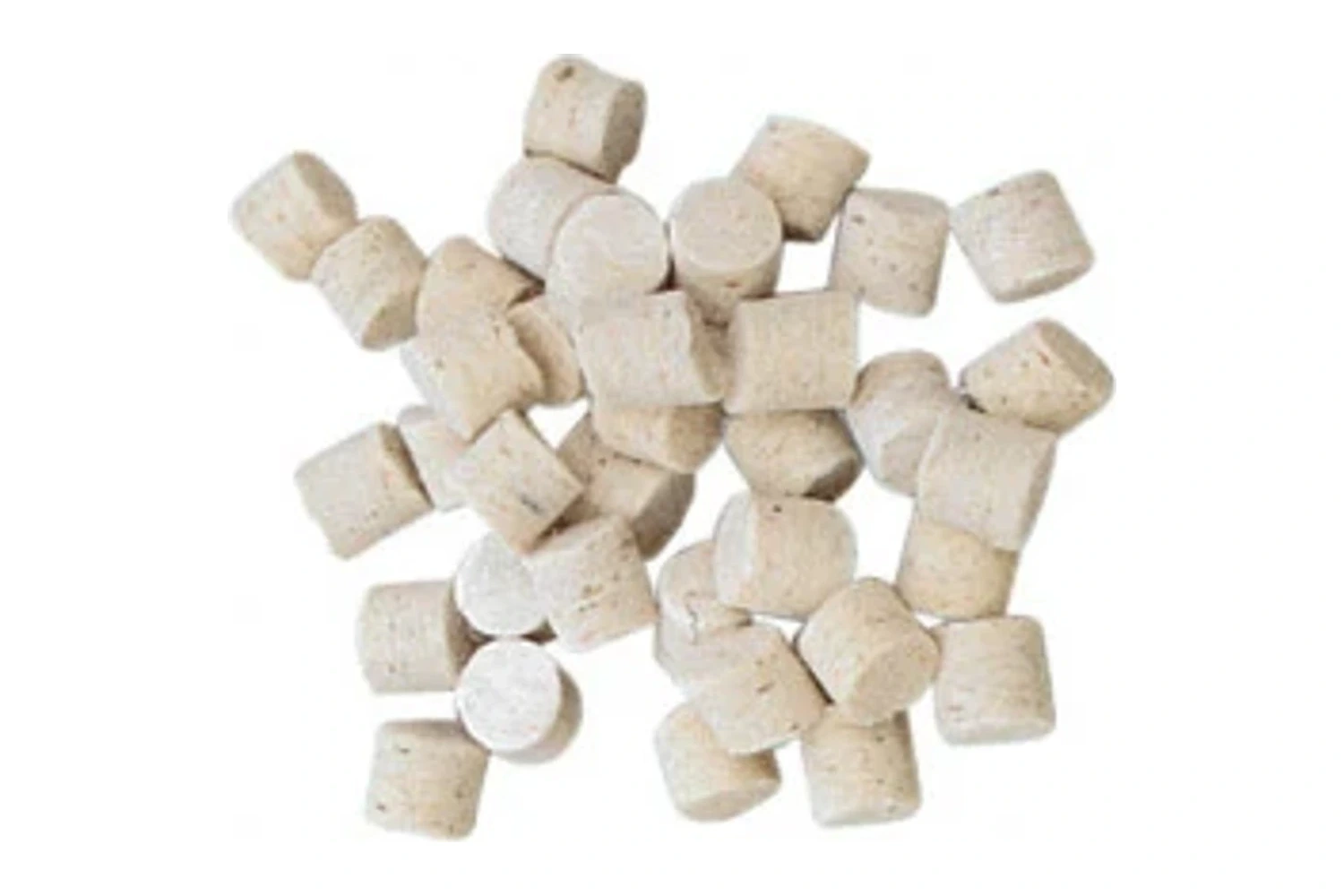
Felt wads
Ten-millimetre-thick felt wads, bags of 200, diameter by calibre.
Calibres and diameters
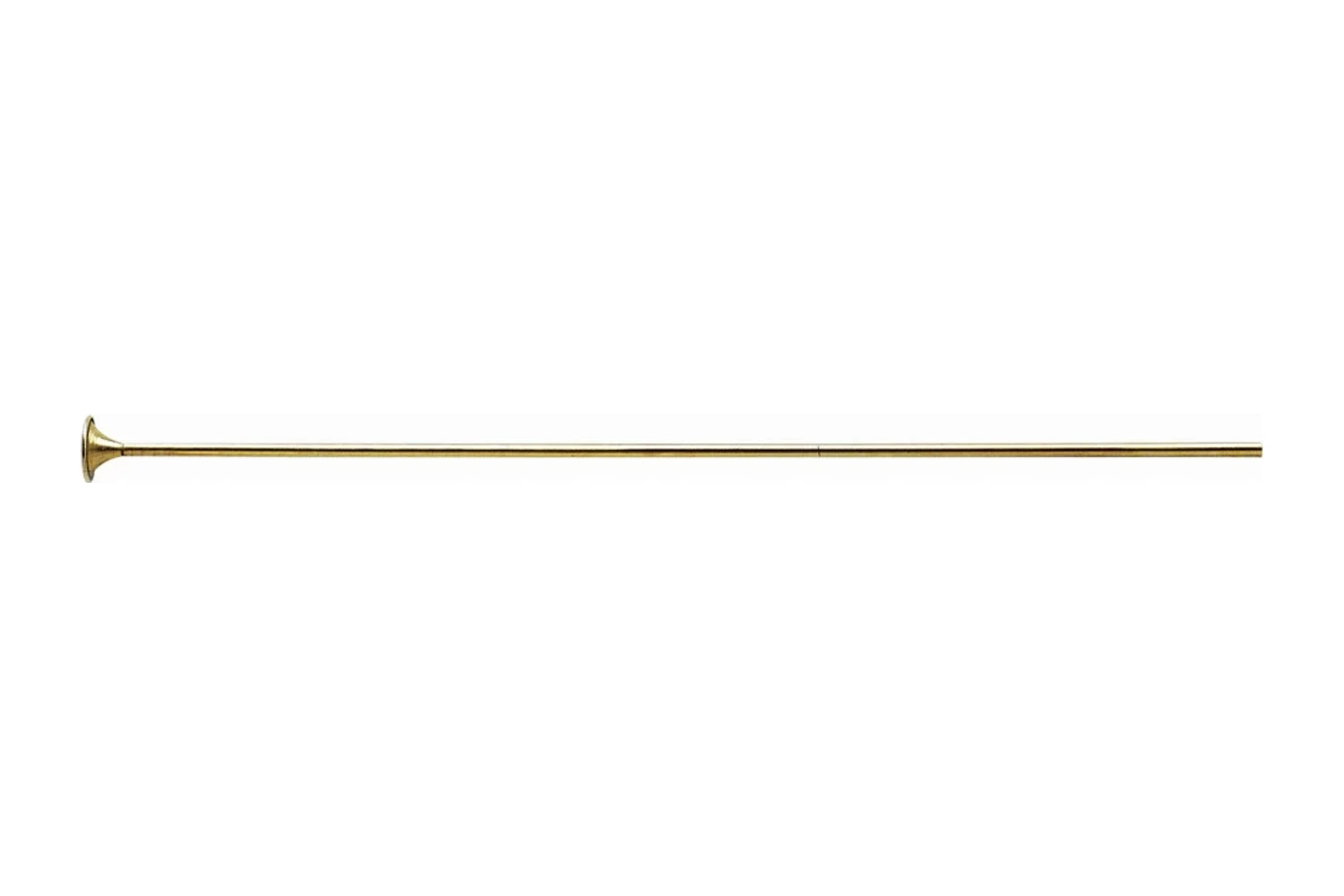
Loading funnels
Brass funnels for pouring powder without losing it around the muzzle: long for rifles, short for pistols and a five-centimetre version for the powder flask.
Powder, percussion cap and flint
What ignites and measures the charge.
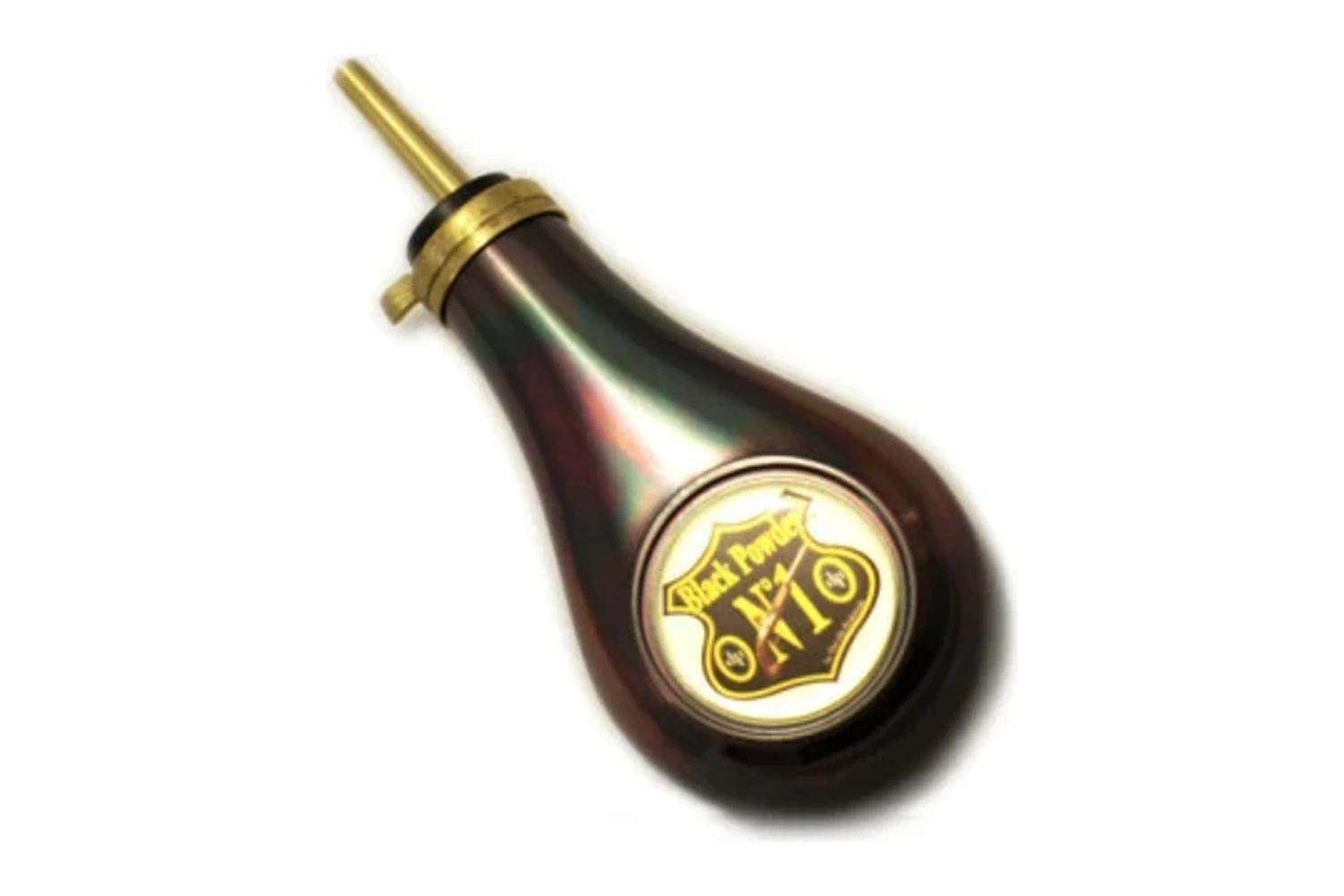
Powder flasks
Historic brass and copper powder flasks, the product with which Pedersoli began making accessories in 1960. They hold black powder and dispense it through a measuring nozzle.
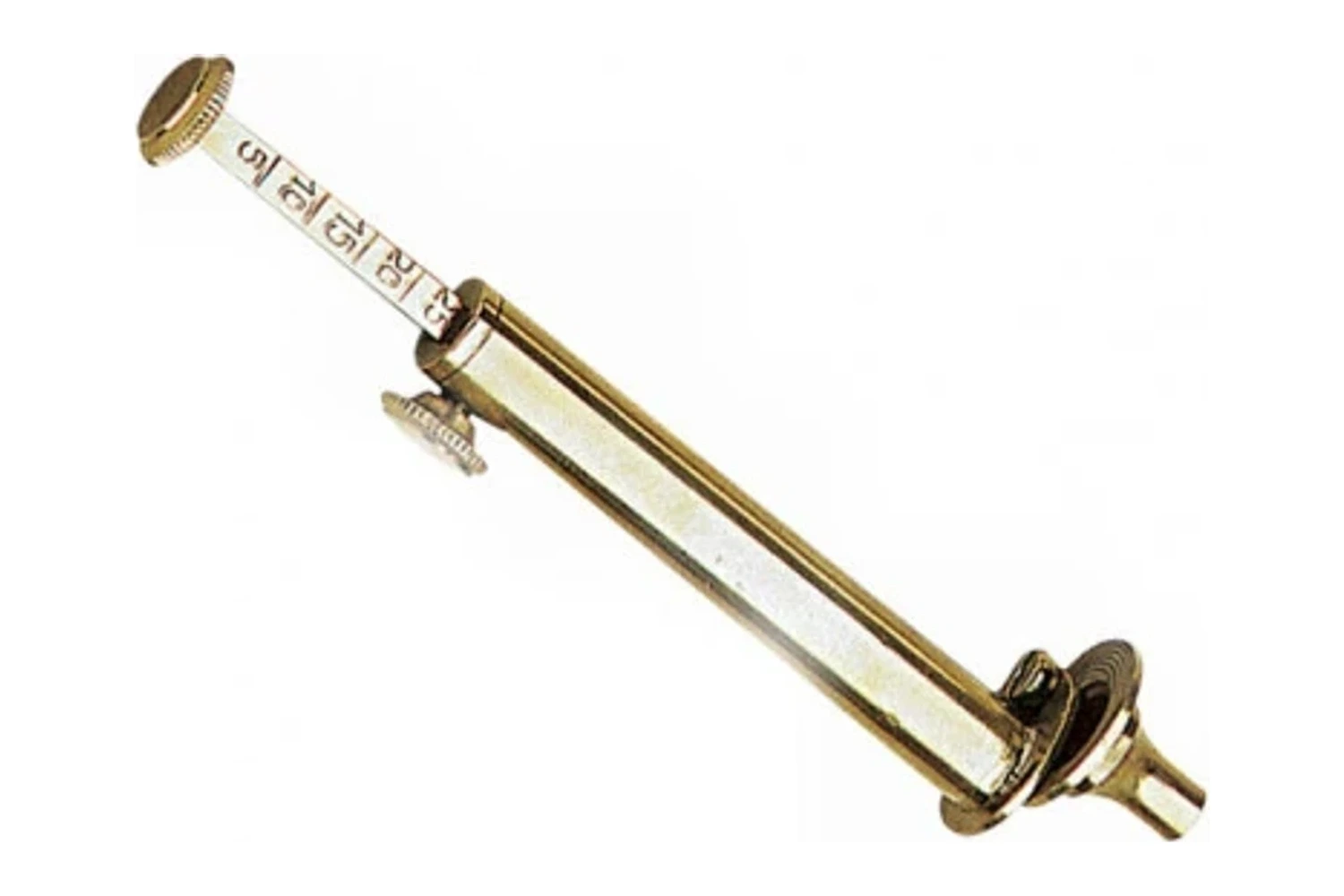
Powder measures
Adjustable brass measures for measuring the charge before pouring.
Capacities
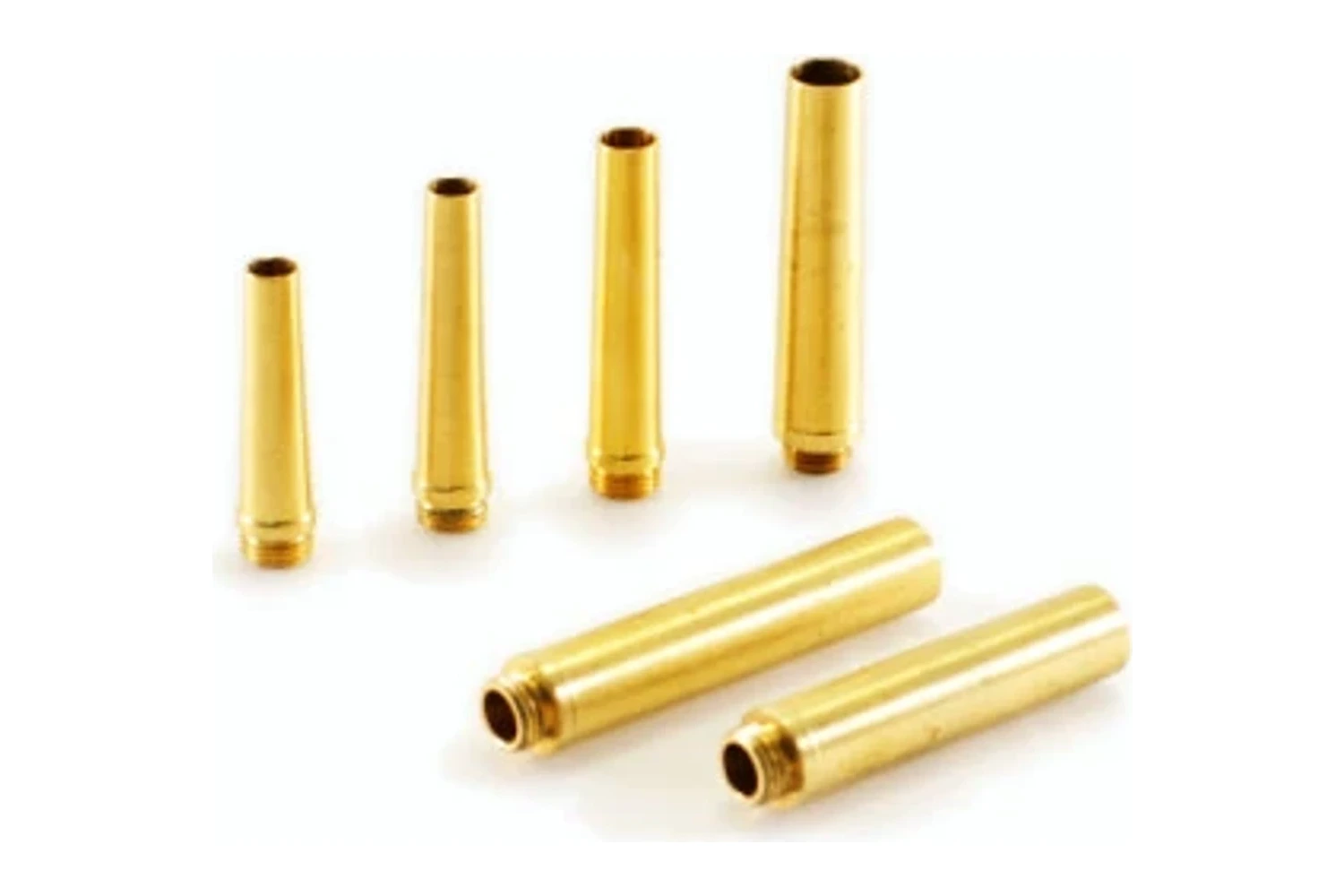
Flask nozzles
Interchangeable nozzle sets, each delivering a stated grain charge.
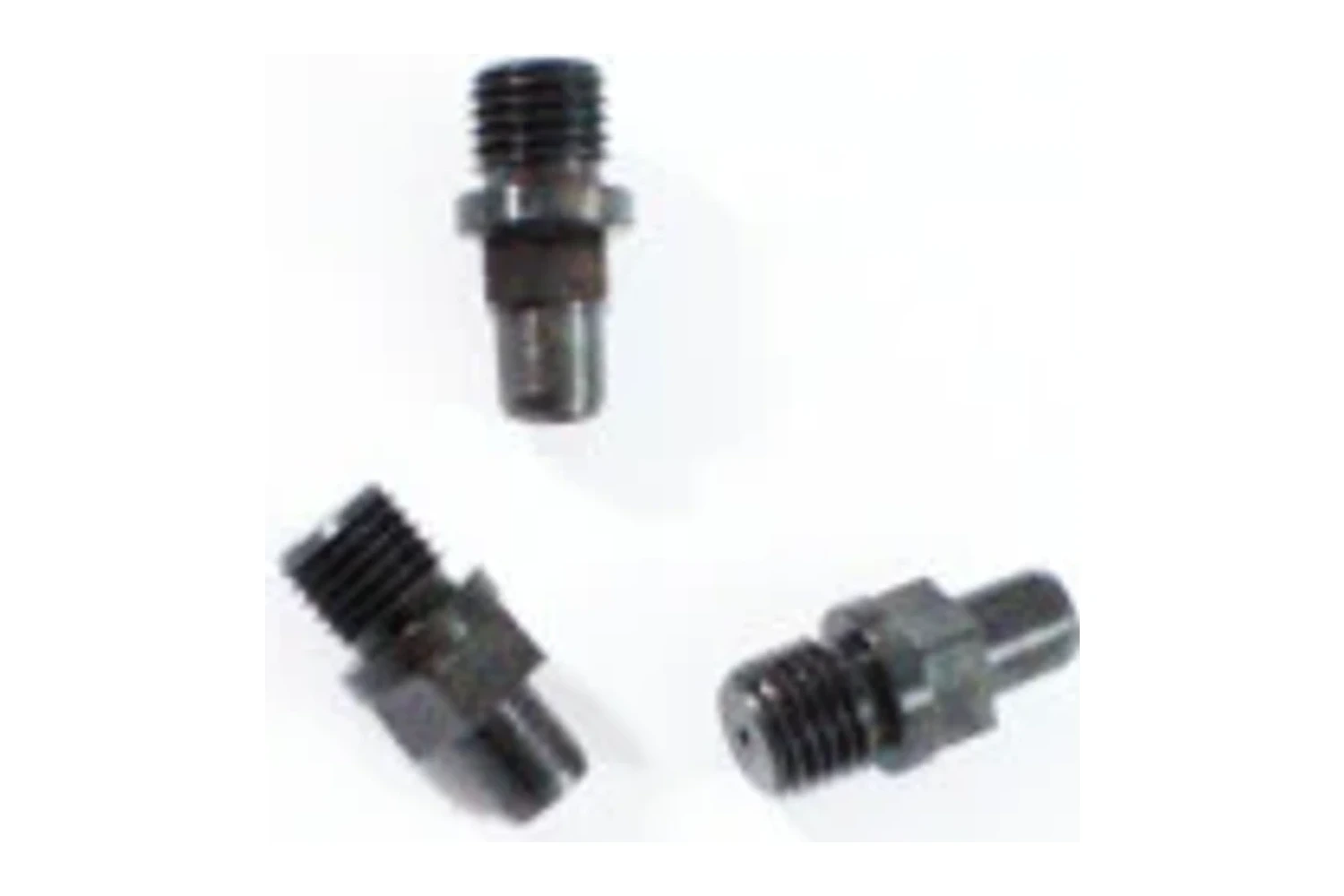
Steel nipples
Steel replacement nipples with firearm-specific thread and cap seat, sets of three or six.
Sets and threads
- Set of 3 · rifle
- Set of 6 · M6 × 0.75
- Set of 6 · 12-28 UNF thread
- Set of 3 · musket 1/4-28 UNF
- Set of 3 · Zimmer and Saloon 4.5 mm
- Set of 3 · Sharps and musket 5/16
- Set of 3 · Zouave and Mississippi
- Set of 3 · Colt and Remington
- Set of 3 · musket 5/16
- Set of 3 · Zimmer and Saloon .36
- Suelta · Underhammer
- Set of 3 · Underhammer
- Conversión a pistón 209
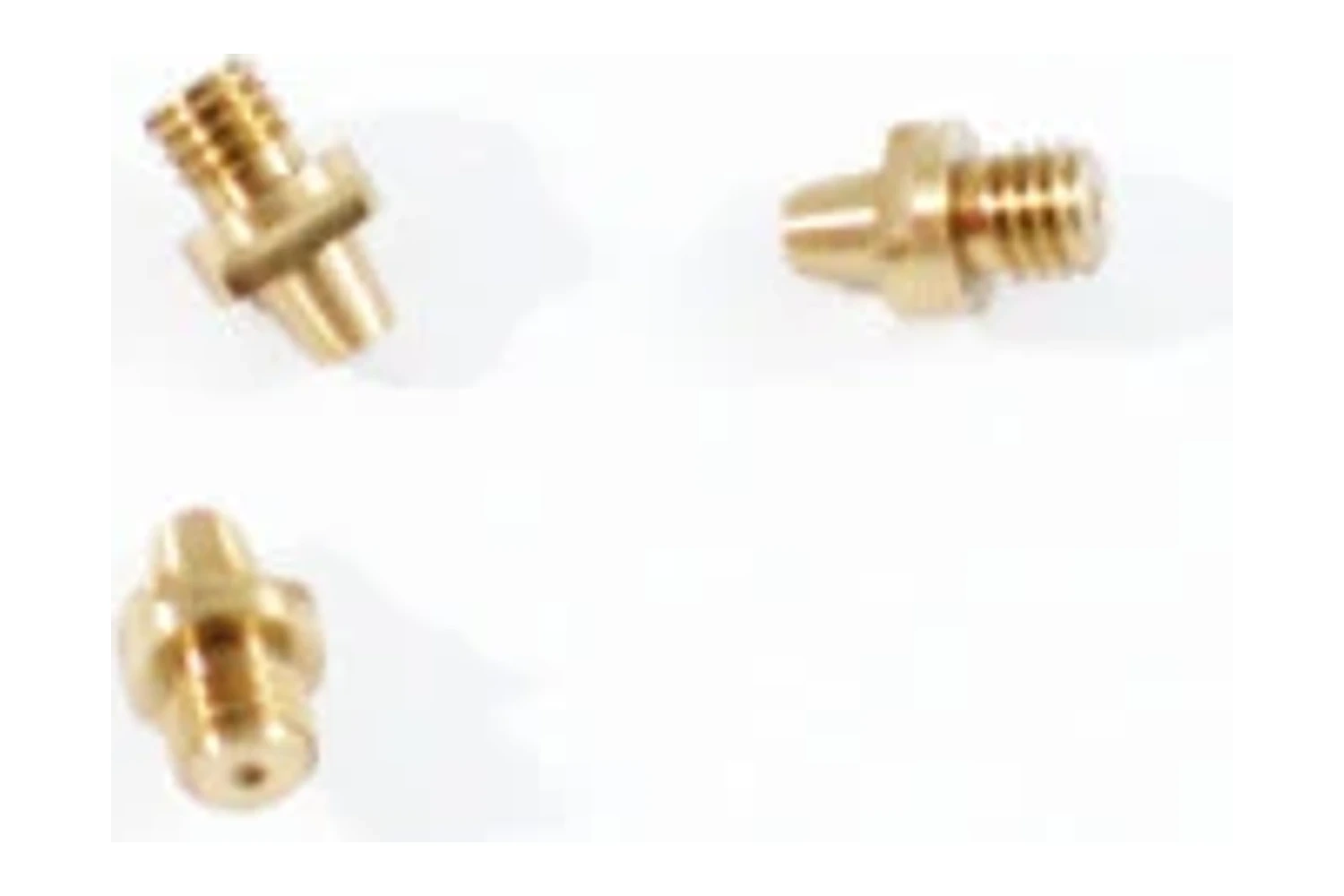
Beryllium nipples
Copper-beryllium nipples better resisting cap hammering than steel.
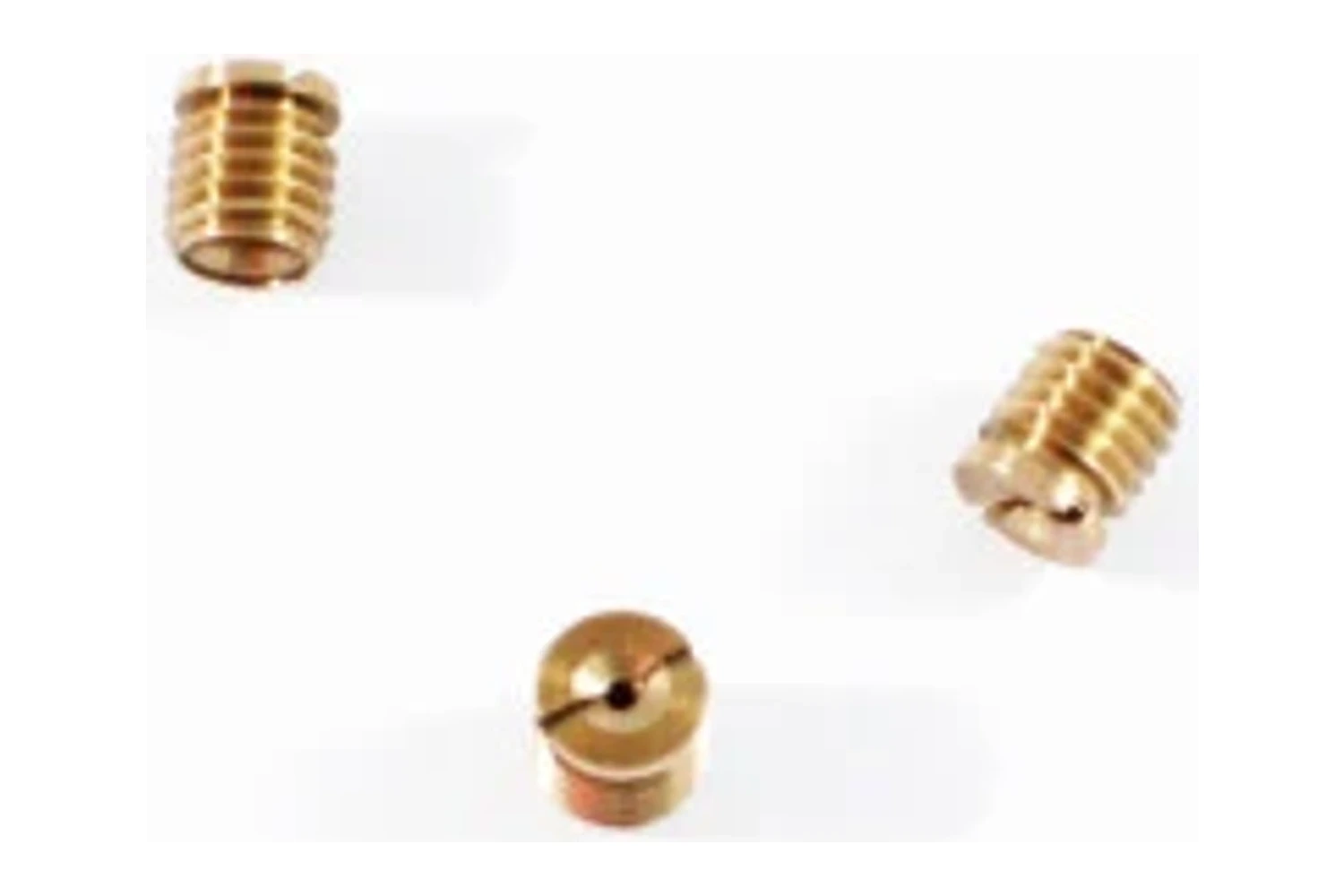
Touch holes
Pedersoli touch-hole screw, M8 × 1.25, individual or set of three.
References
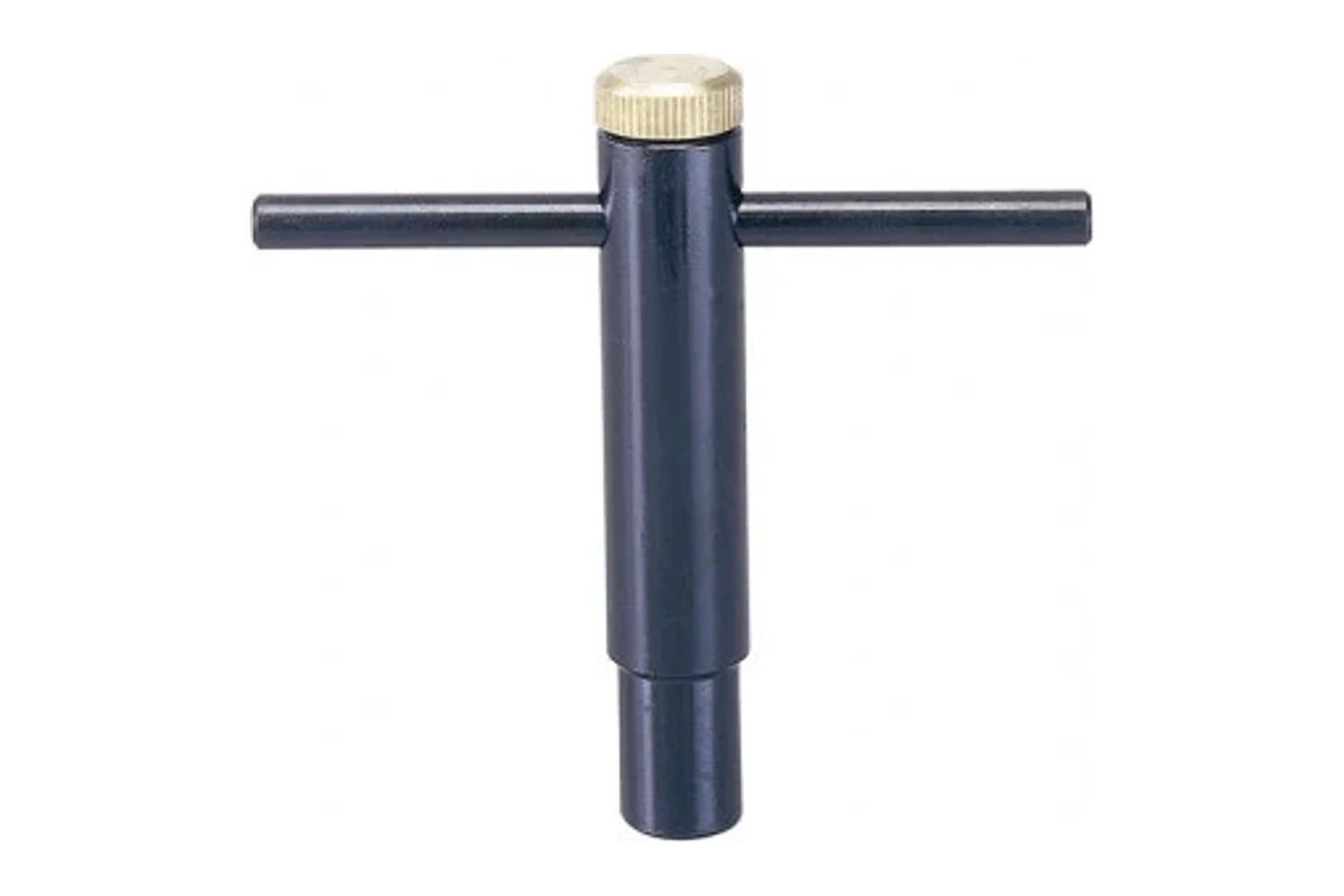
Nipple wrenches
Wrenches for fitting and removing nipples, in T, cross and L forms. The Deluxe versions also include a cleaning pick.
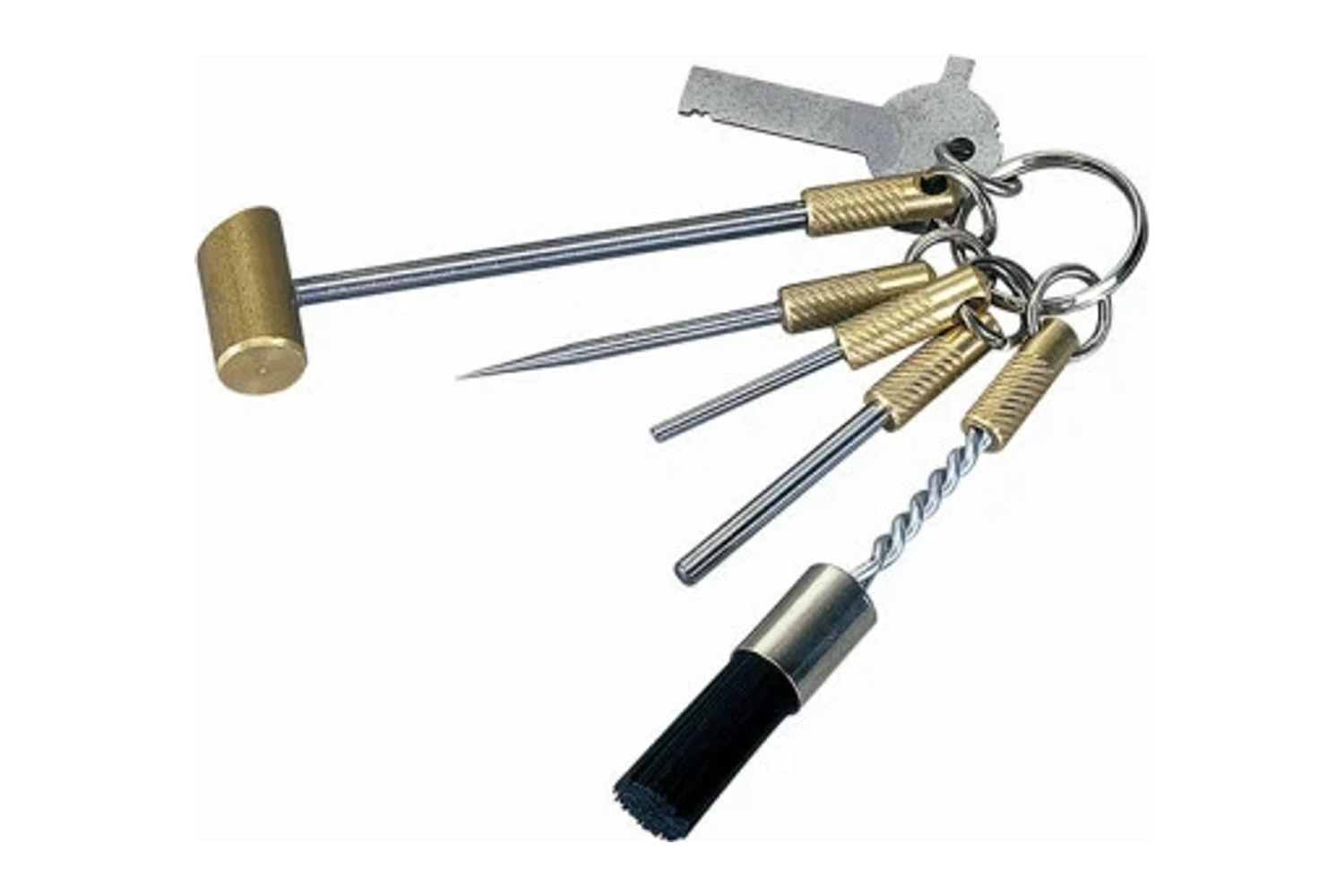
Model keys and flint tool
Firearm-specific keys and tools for trimming/adjusting flint.
References
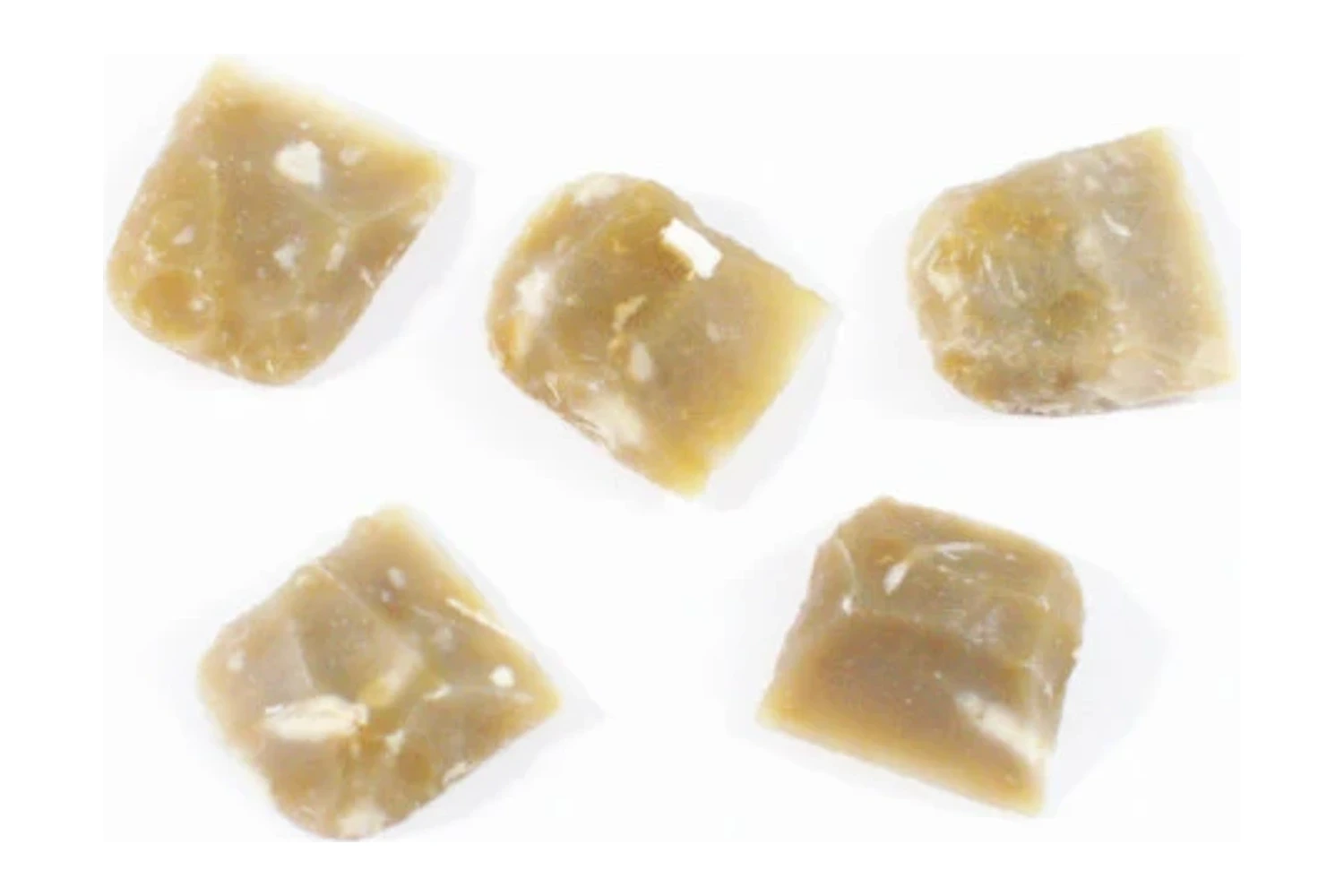
Flints
Knapped gunflints, sold in bags of five and in three sizes. The jaws of each lock’s cock determine the required size.
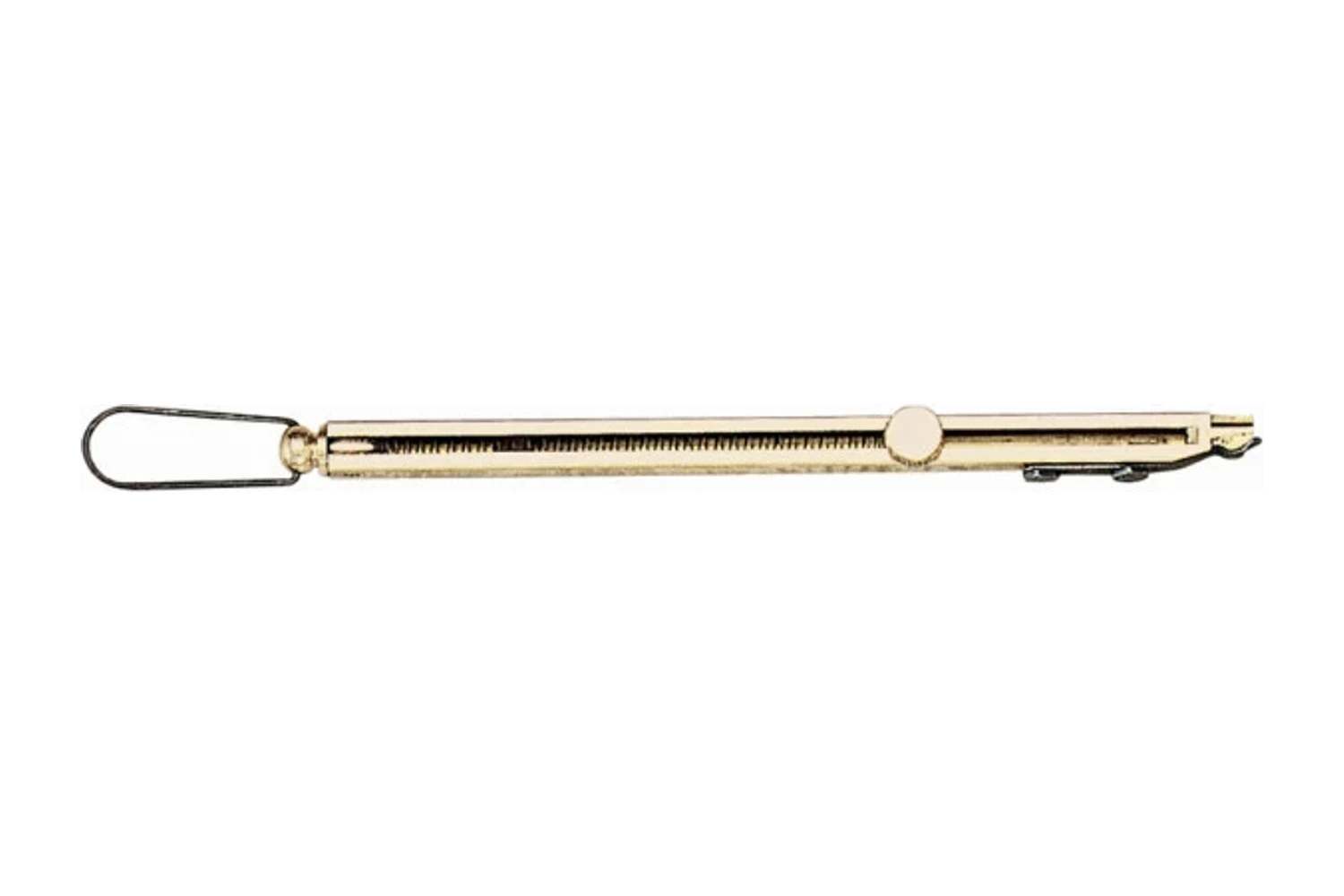
Cap holders
Linear cap dispensers storing caps in a row and presenting one at a time.
Casting and projectiles
Block moulds and cast projectiles: the part sharing the reloading bench.
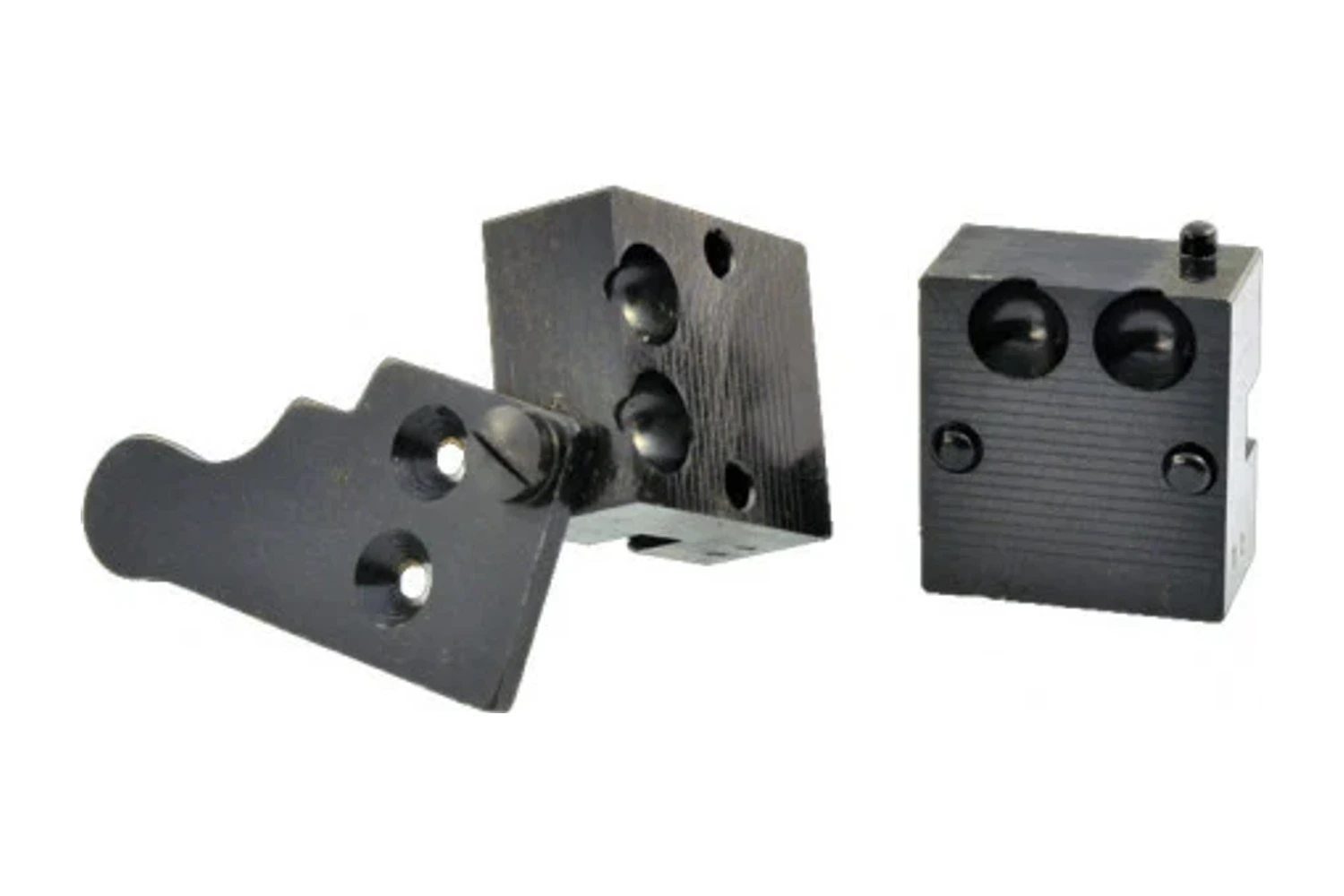
Round-ball moulds
Wood-handled mould blocks for casting round lead balls, with one or two cavities depending on calibre.
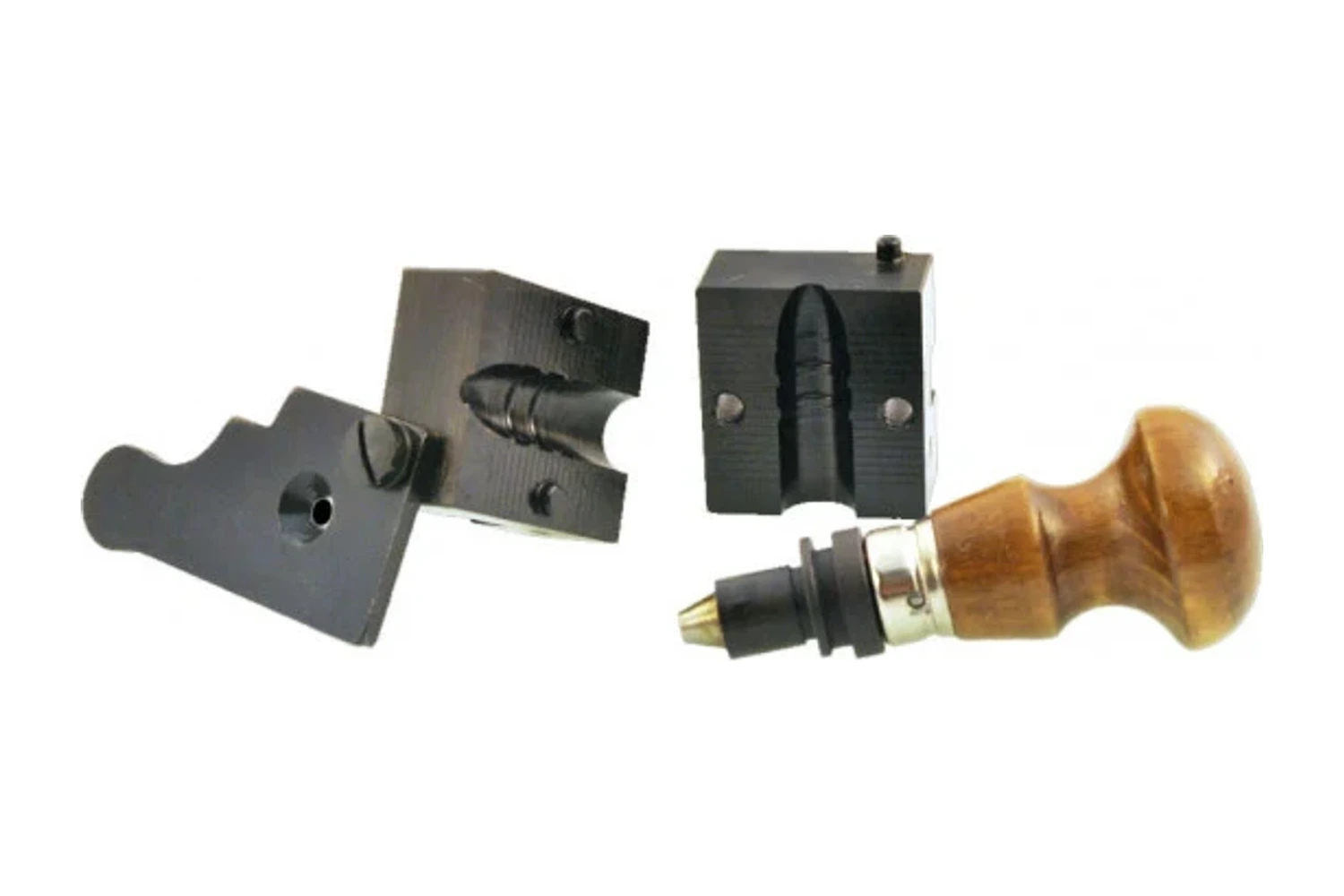
Minié bullet moulds
One-cavity hollow-base cylindrical-ogive Minié moulds for long-range muzzleloading.
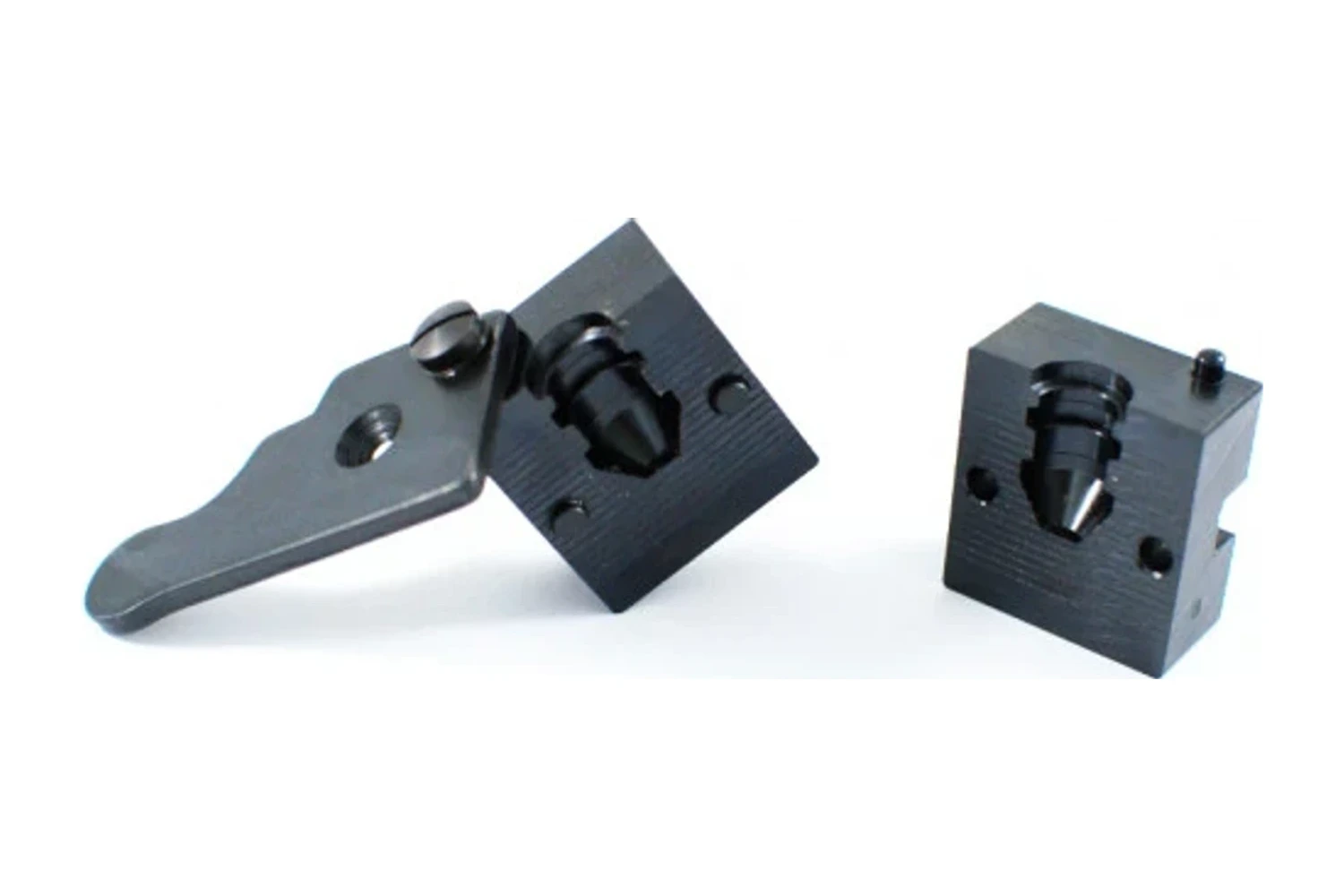
Maxi-bullet moulds
One-cavity maxi/conical moulds, heavier than same-calibre round ball.
Sizers
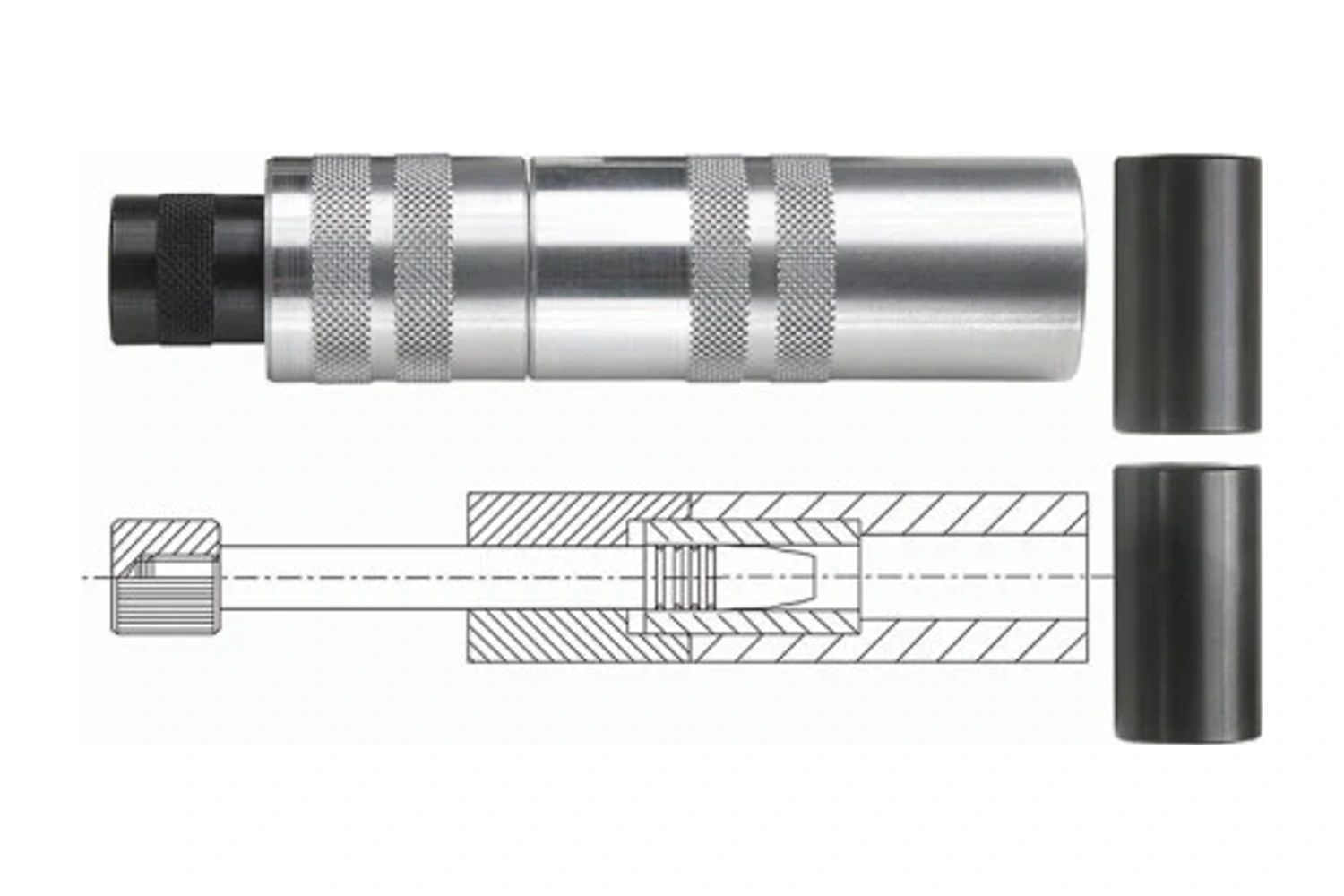
Size newly cast maxi/Minié bullets to exact diameter.
Series and diameters
Casting accessories
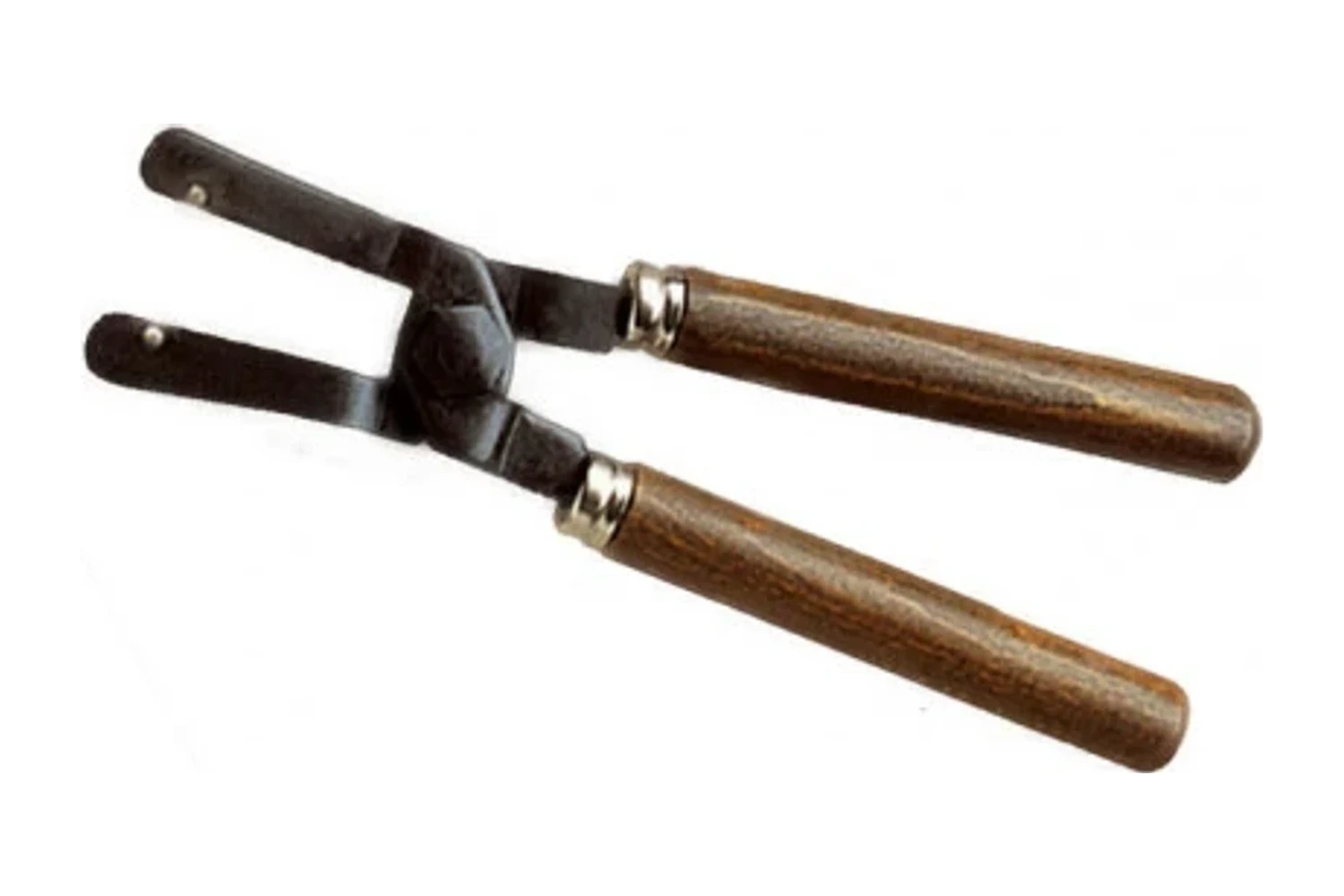
The wooden handles that close the steel mould block and the lubricator used to fill the bullet’s grooves.
References
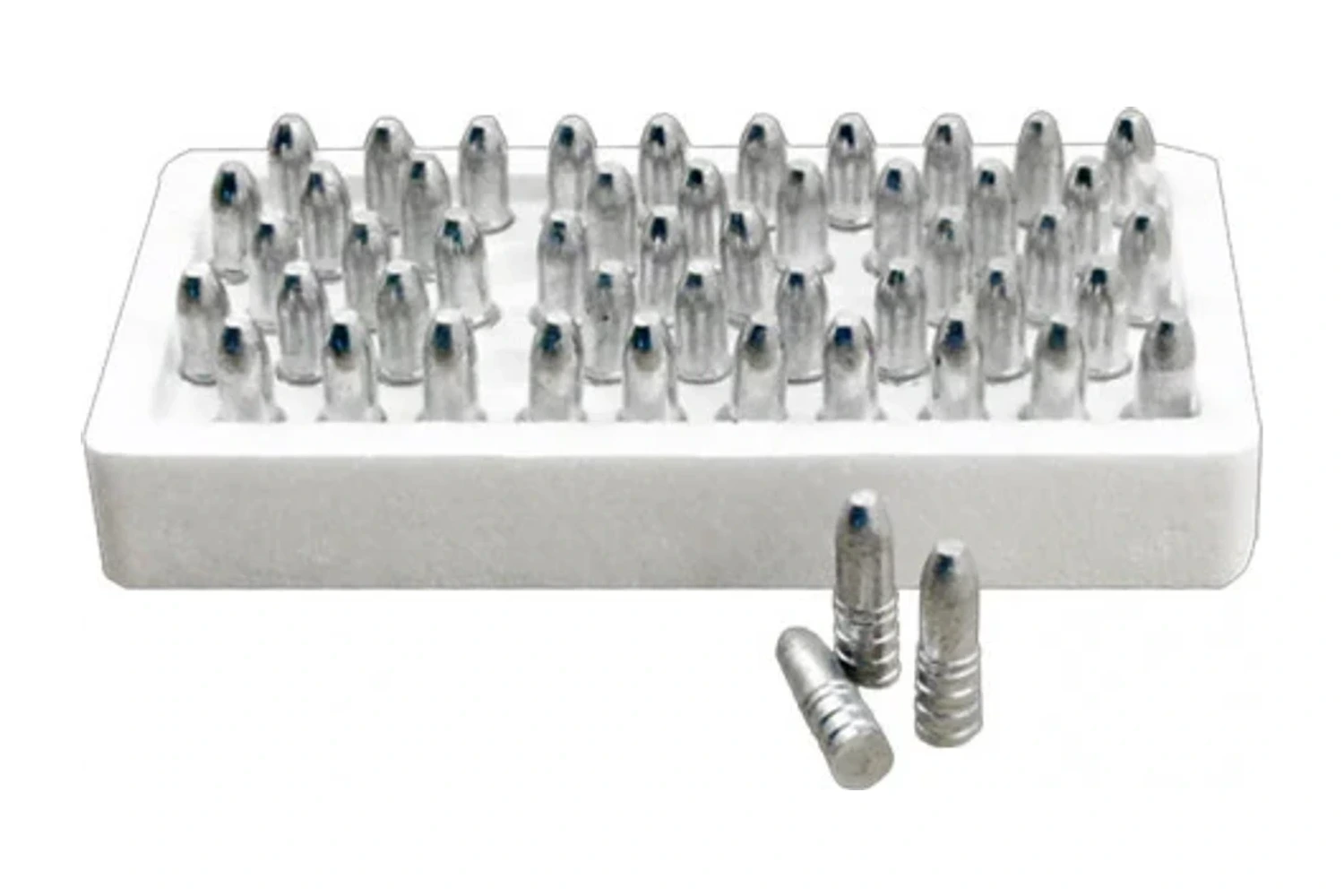
Conical bullets
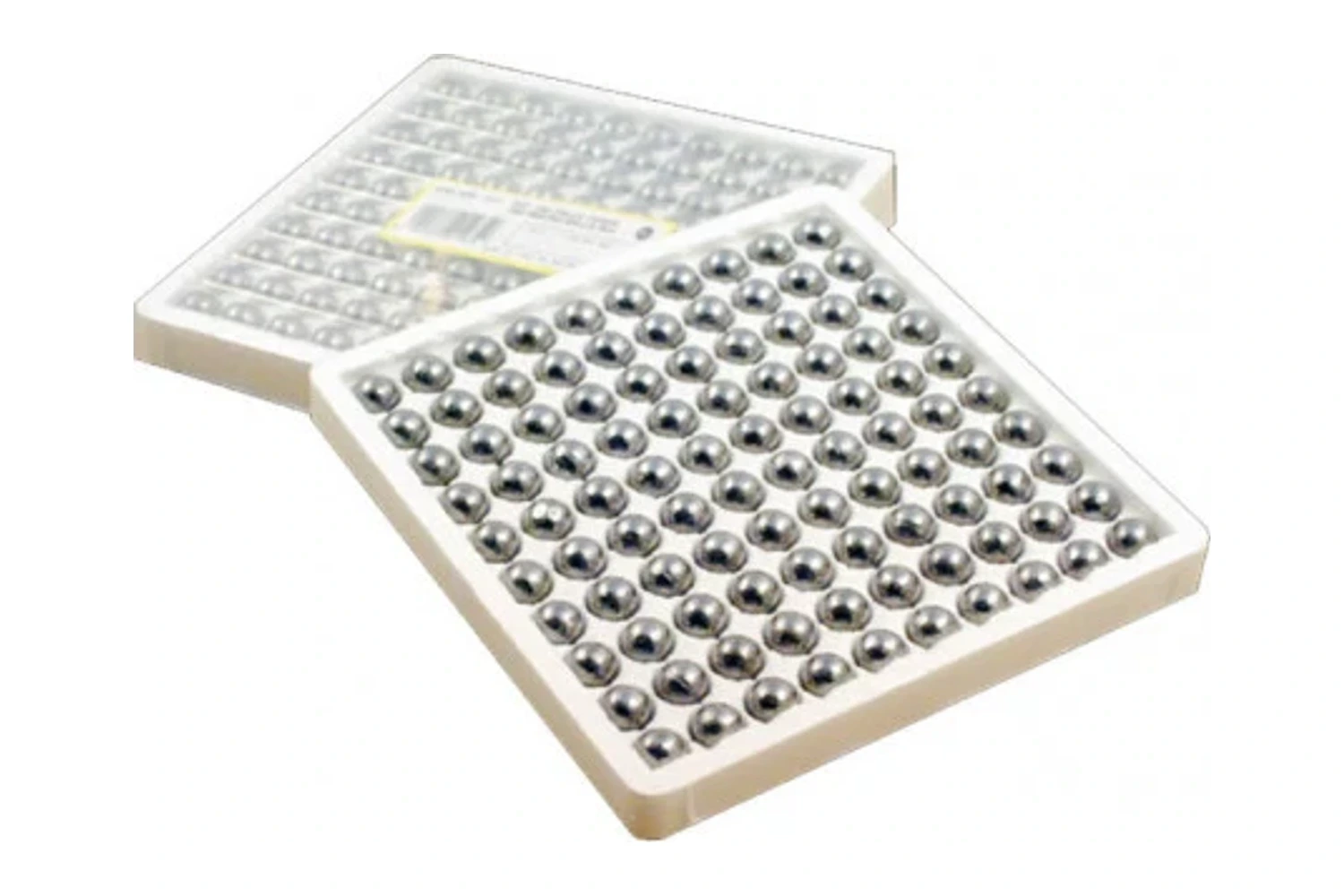
.458 lead conical bullet in two weights.
Sights
Creedmoor peeps, globe fronts and inserts, separating re-enactment from competition.
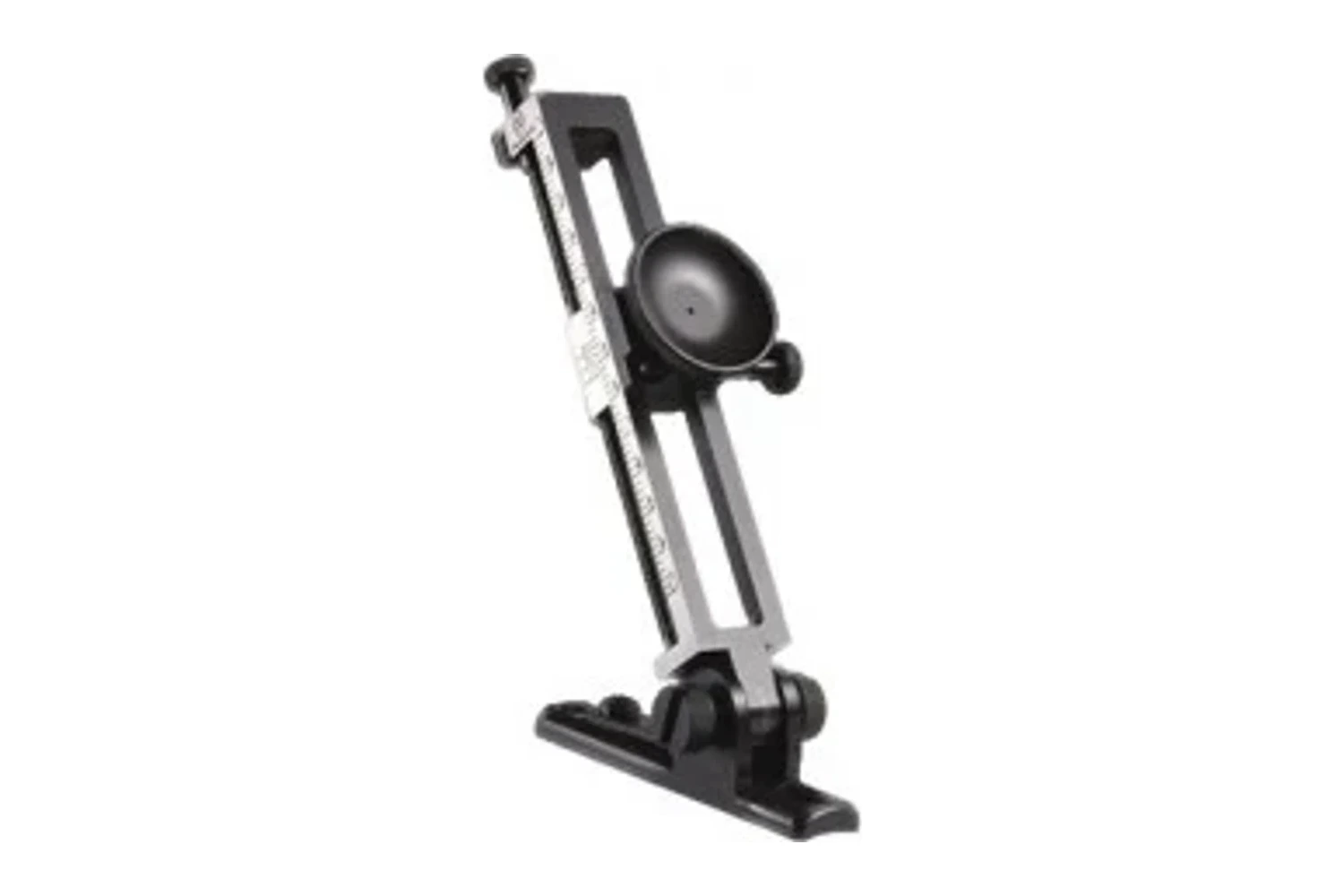
Creedmoor peep sights
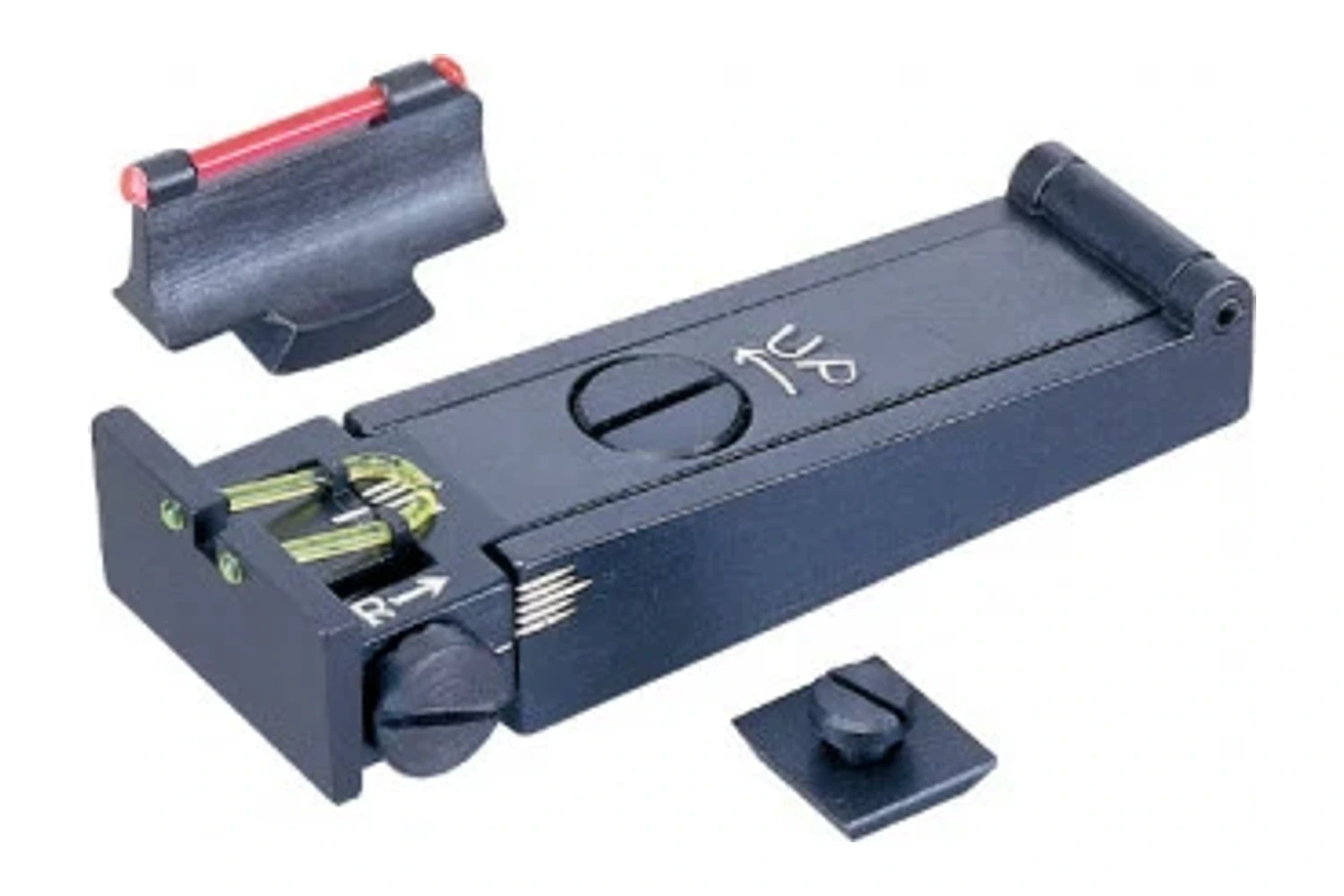
Micrometric screw peep sights mounted on the firearm’s tang, in the Soule, Silhouette, Universal and Goodwin Style series. They differ in adjustable range and column length; the names are the manufacturer’s.
Models
- Soule Middle Range
- Soule XL Middle Range
- Soule Long Range
- Goodwin Style, for Gibbs
- Universal Long Range
- Silhouette Long Range
- Short · windage and elevation
- Regulable en deriva
- Corta, regulable en elevación
- English
- Larga, regulable en elevación
- Silhouette Middle Range
- Ocular profesional estilo Hadley
- Universal Middle Range
- Target
- Goodwin Style 2ª generación
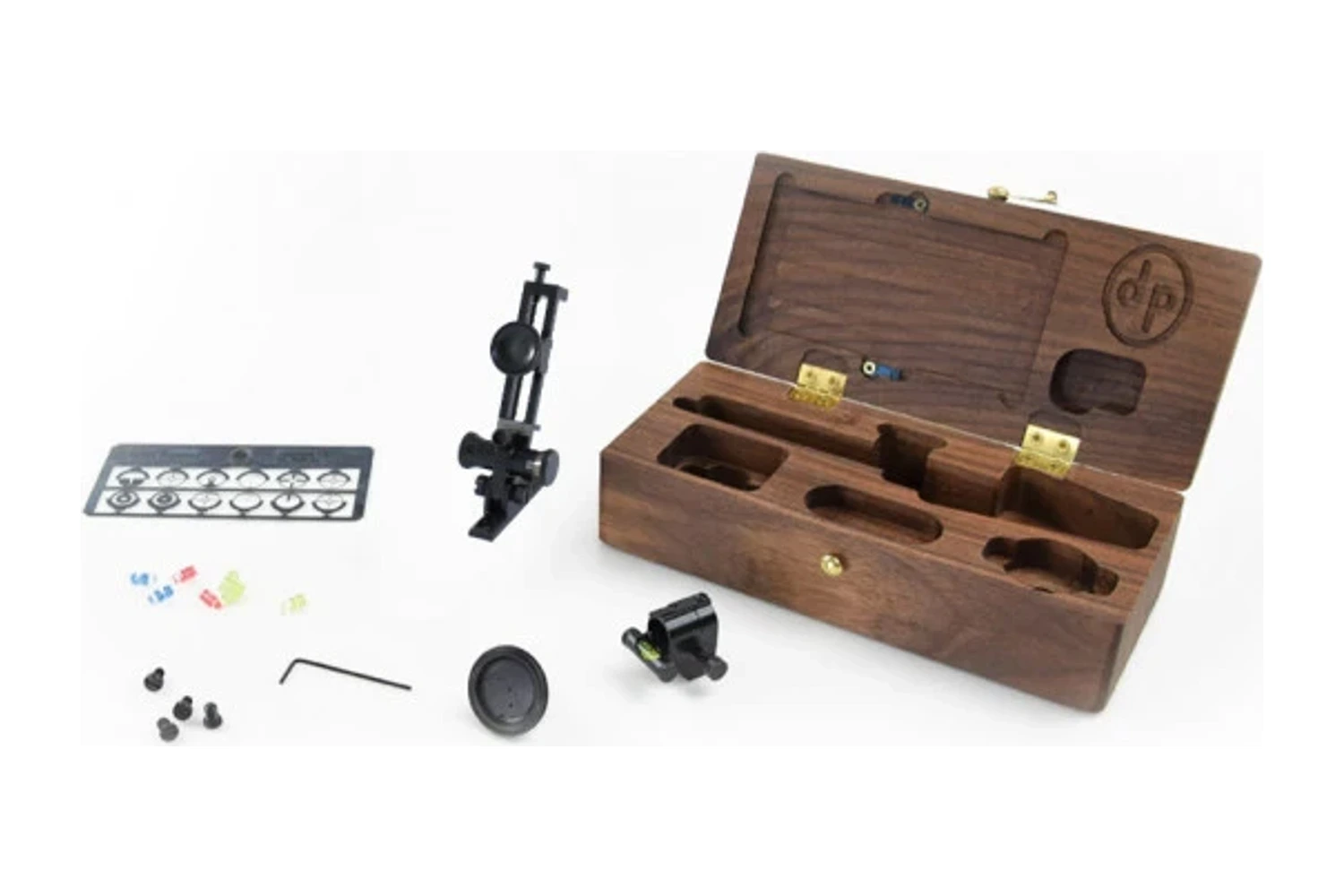
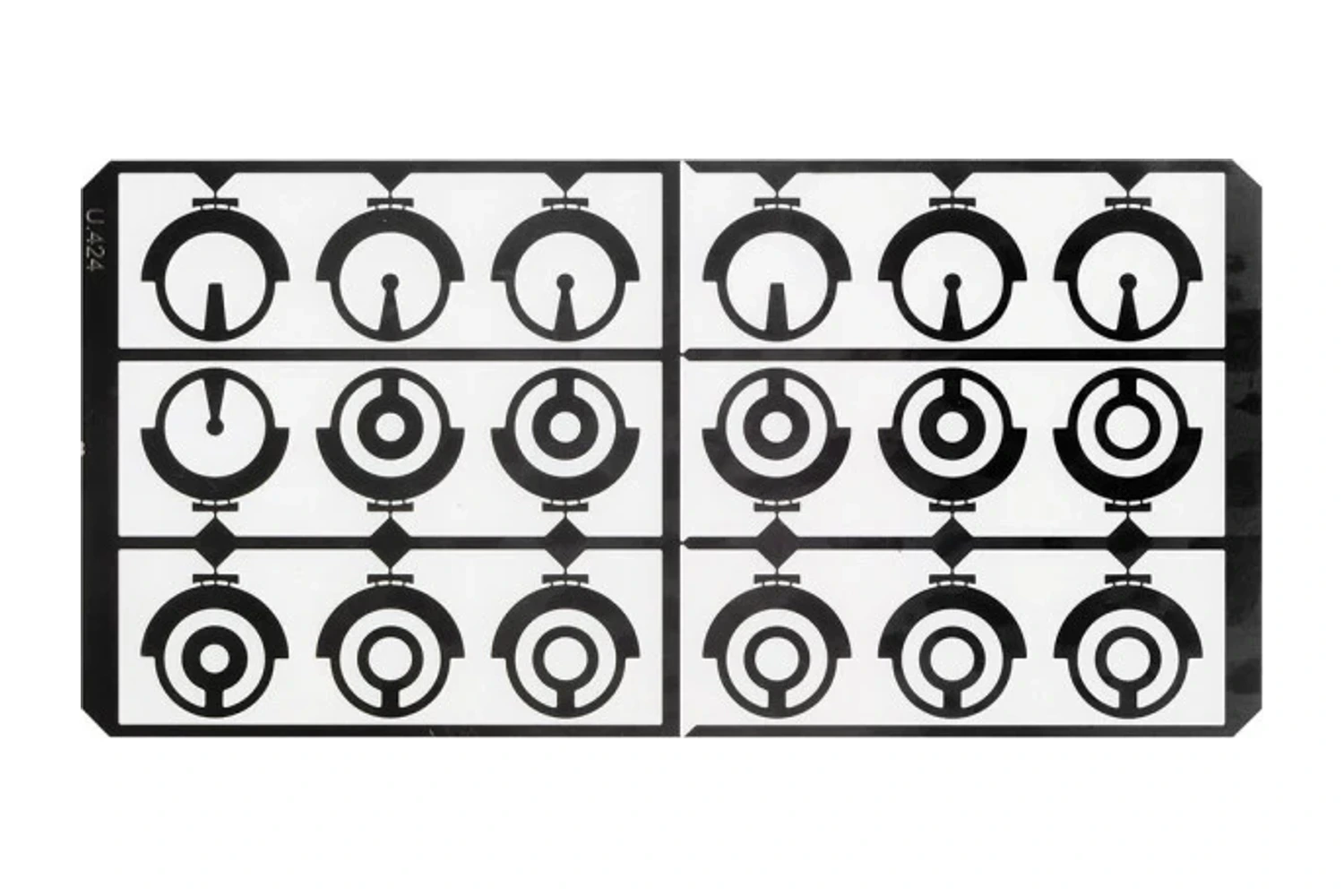
Interchangeable inserts
Sets of interchangeable inserts fitted inside the globe front sight. The muzzleloading set contains eighteen, the metallic-cartridge set twelve and the universal set fifteen.
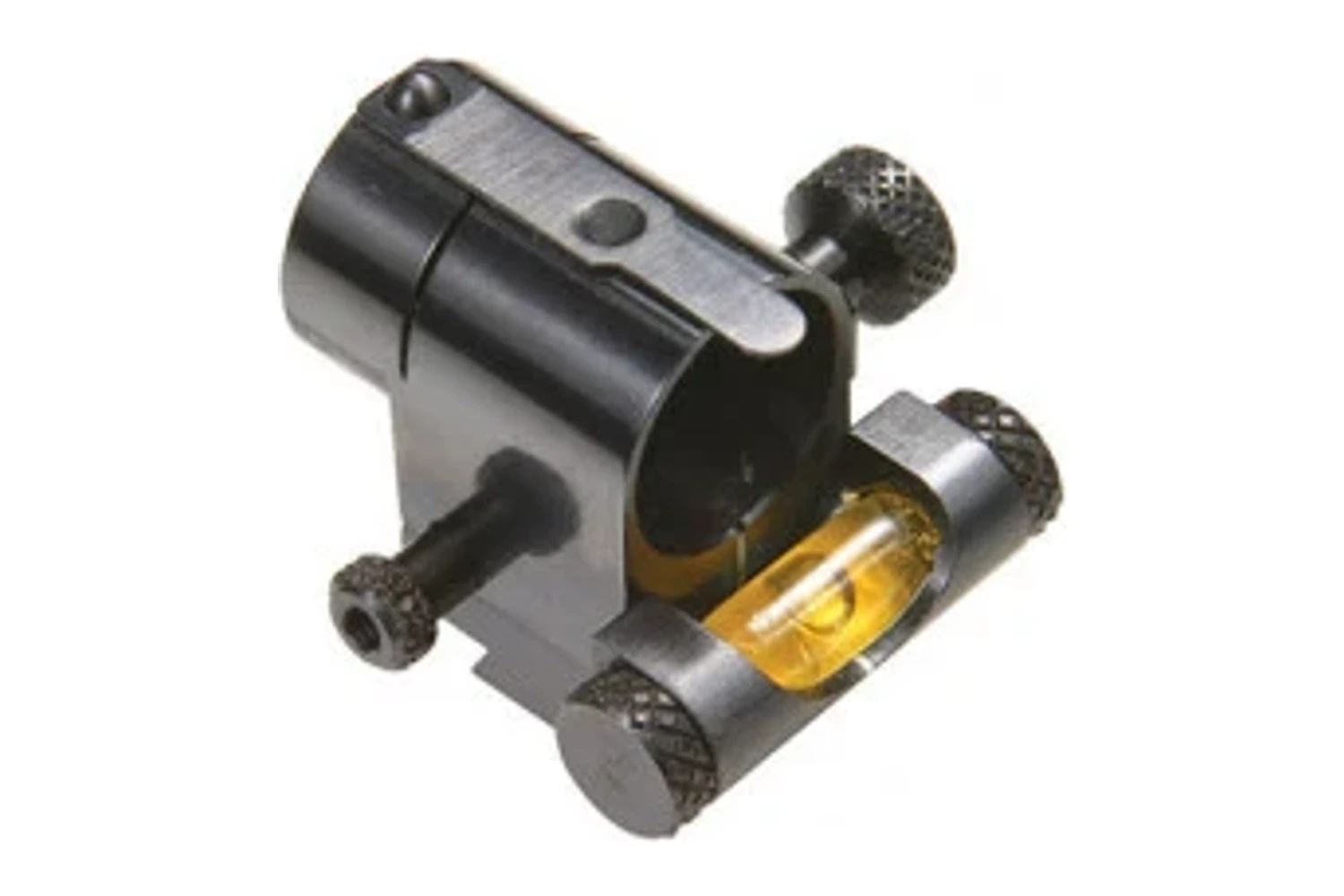
Globe front sights
9.5 mm dovetail globes, fixed or windage-adjusted, two with bubble level, each with inserts.
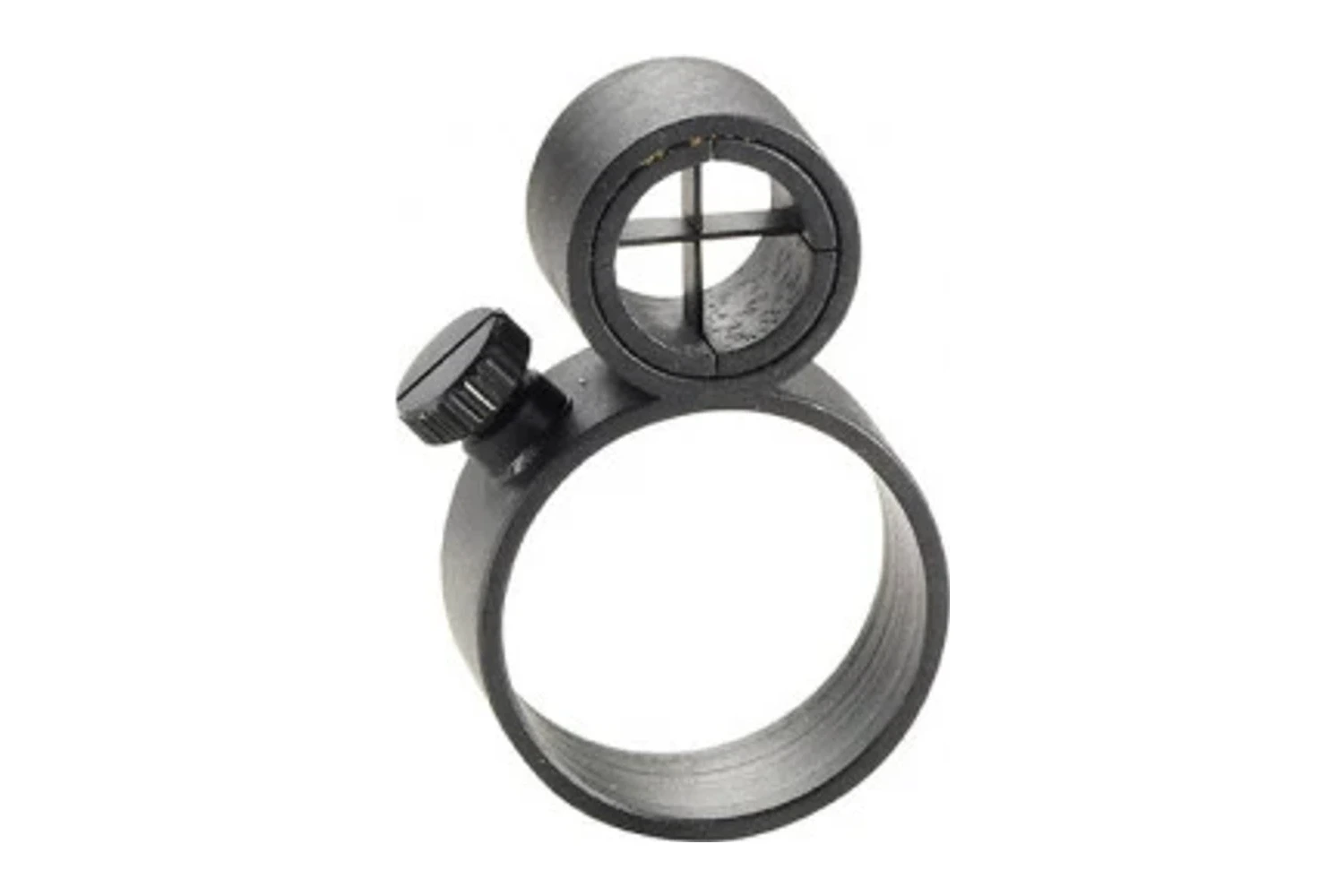
Fixed front sights
Fixed-head front sights with 3/8-inch dovetail.
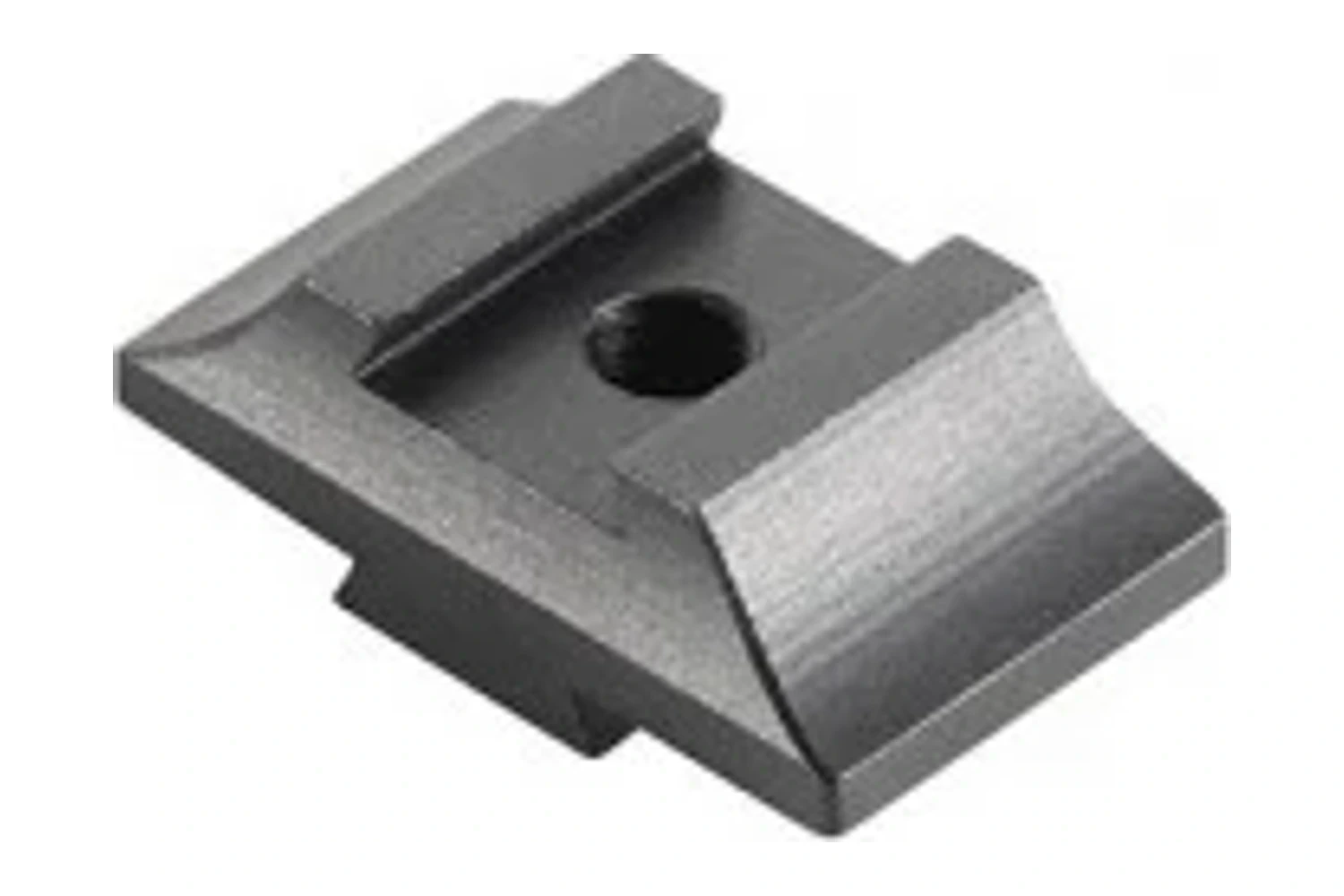
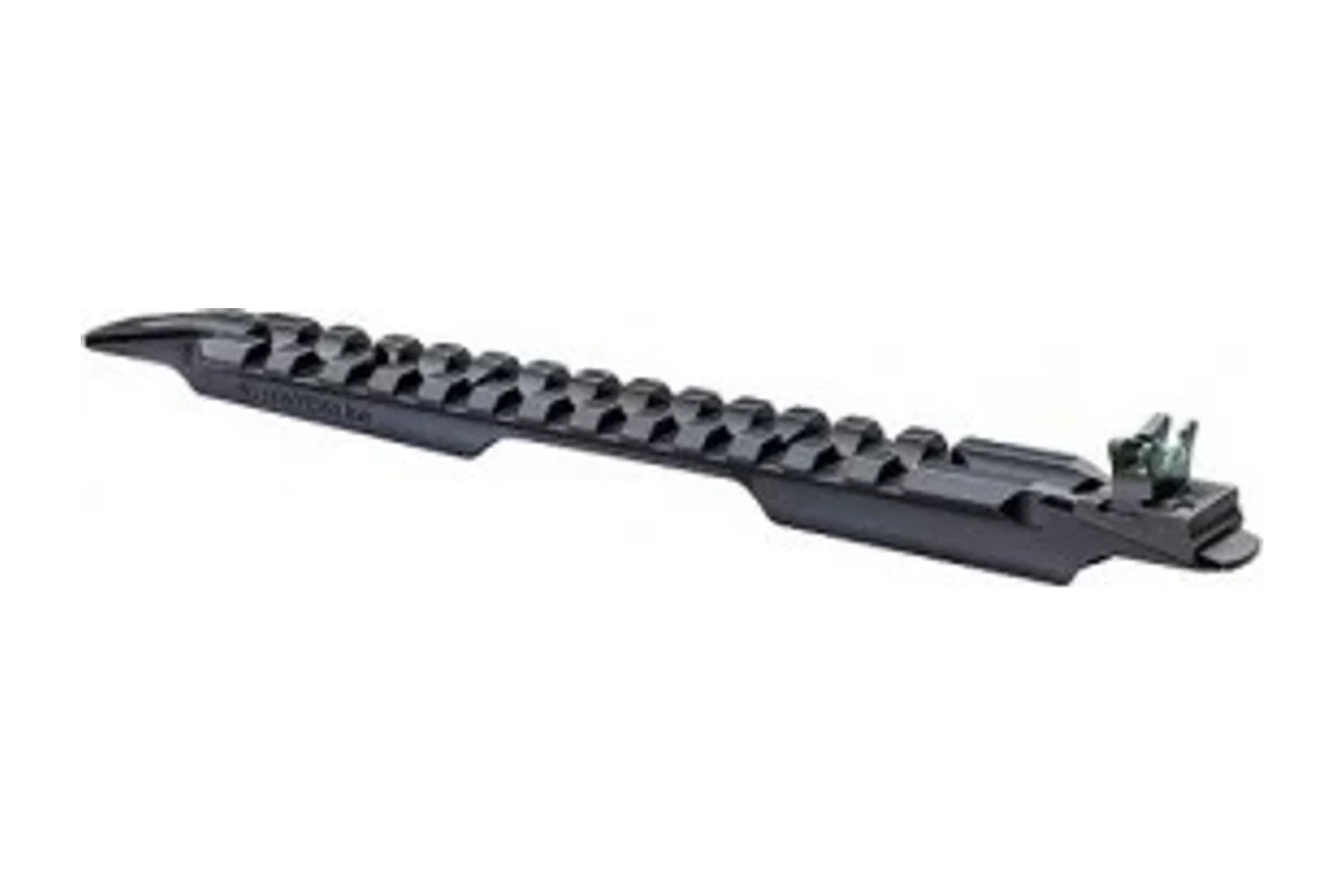
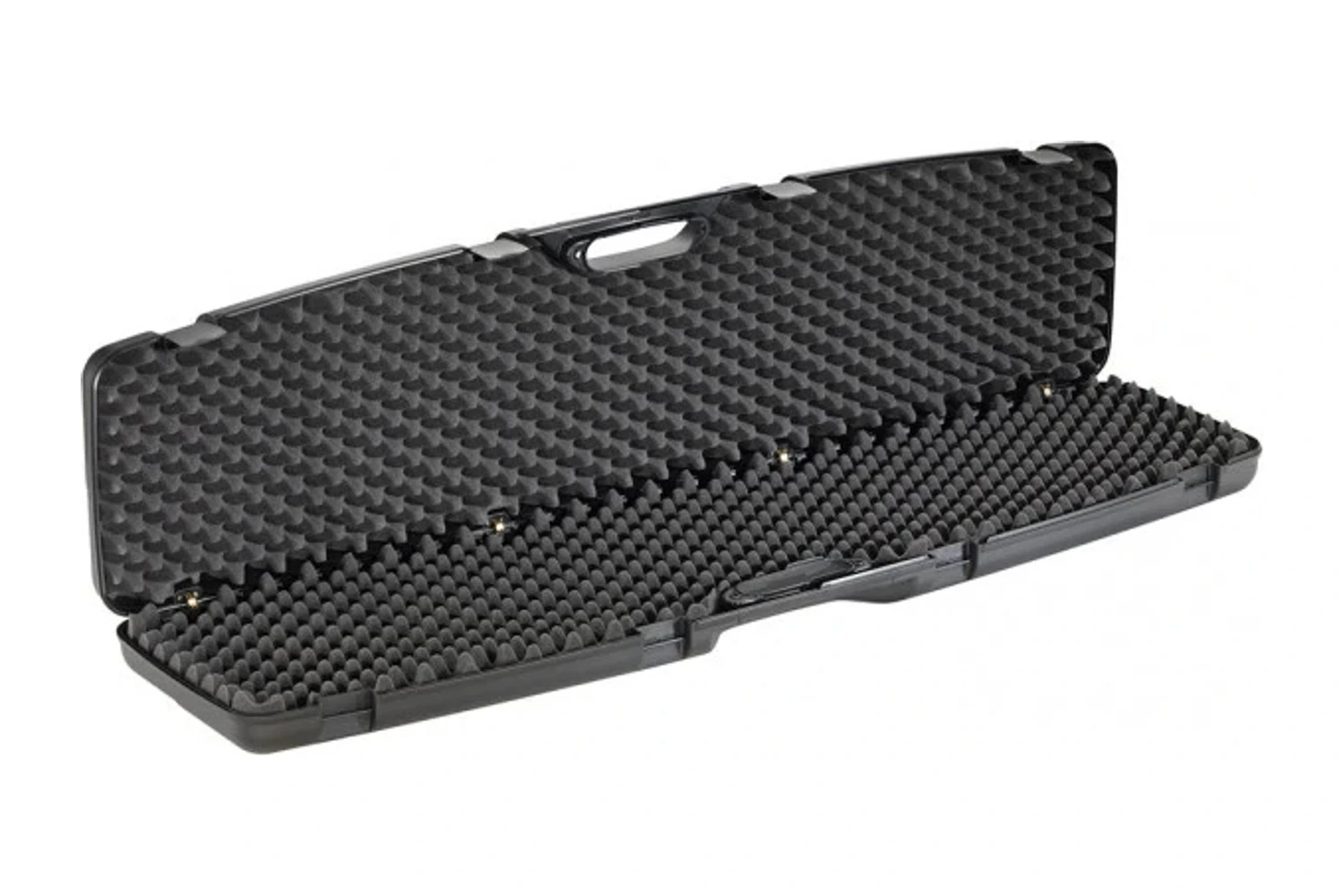
Transport, bayonet and spares
The remaining catalogue outside firearms and consumables.
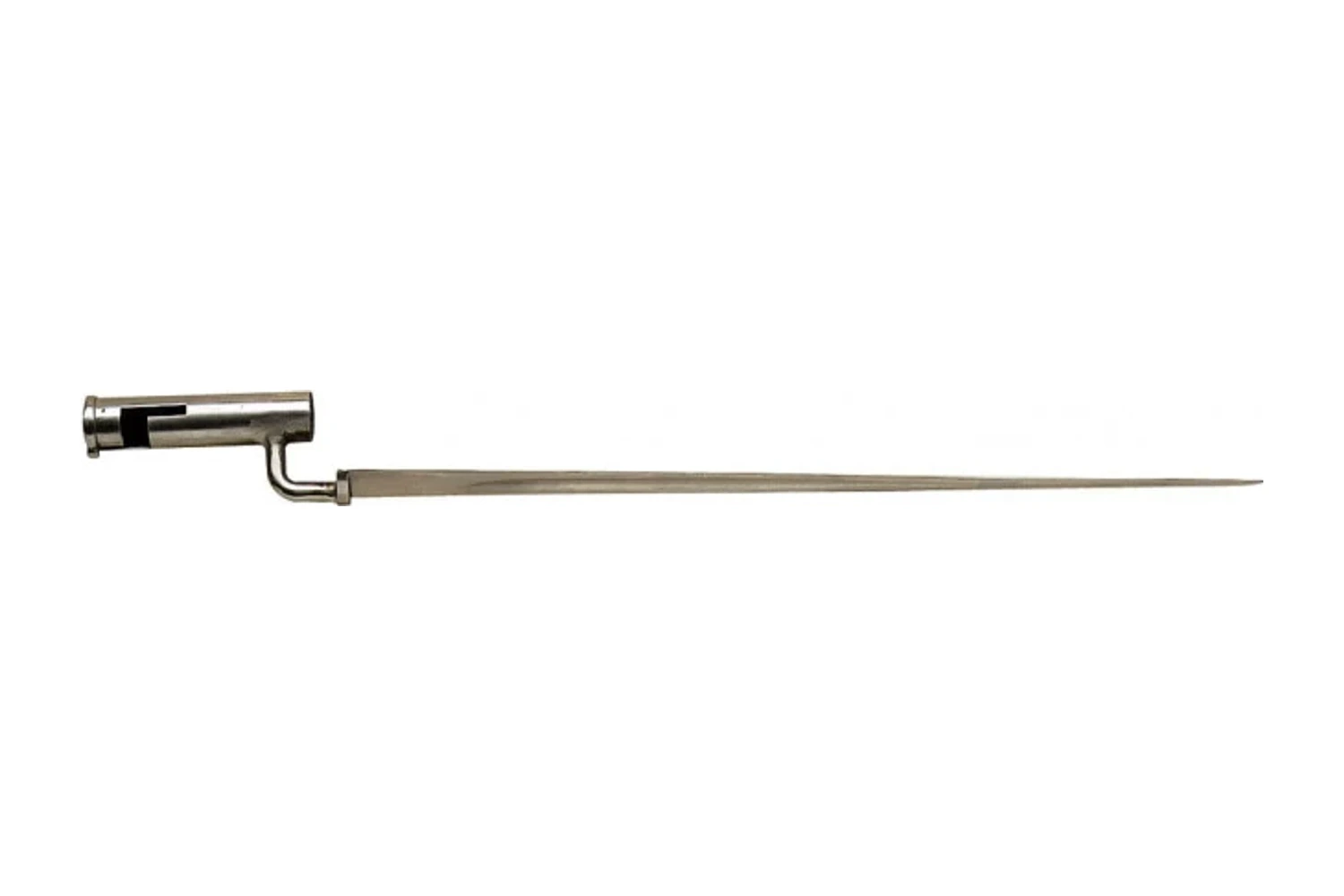
Spare parts
Individual Pedersoli firearm parts; each product page publishes exploded diagram and codes.
Parts
- Front-band spring bushing no. 17
- Front-band spring pin no. 19A
- Spring
To read
Davide Pedersoli brochure
This catalogue is published in Spanish.
Davide Pedersoli in the shop
The complete catalogue. Firearm purchases are handled by an authorised gun shop.
Firearms and ammunition subject to regulatory control are purchased and processed under the applicable rules through an authorised gun dealer.
The shop is available in Spanish.